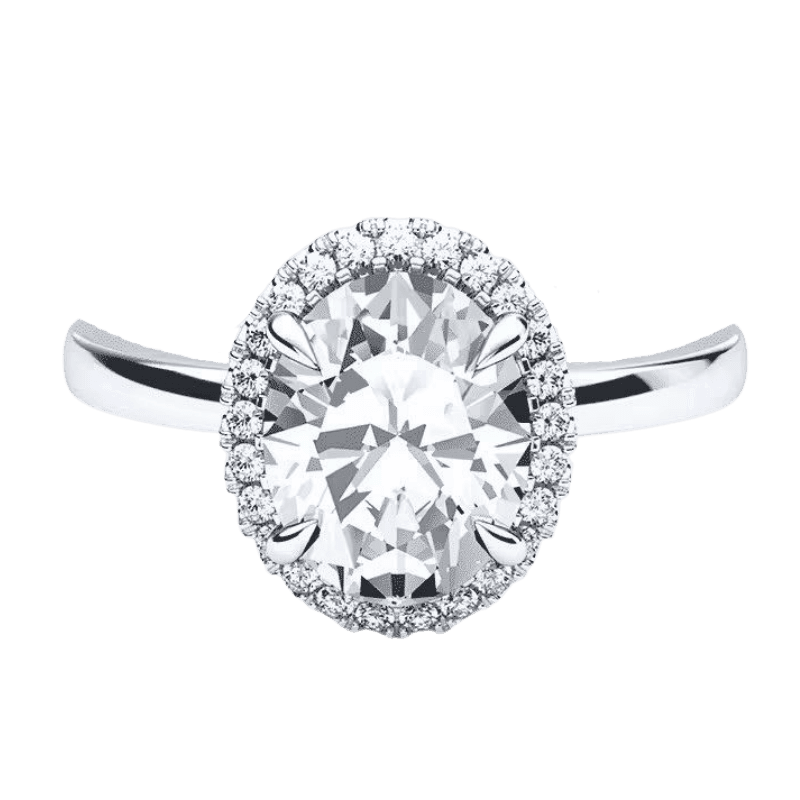
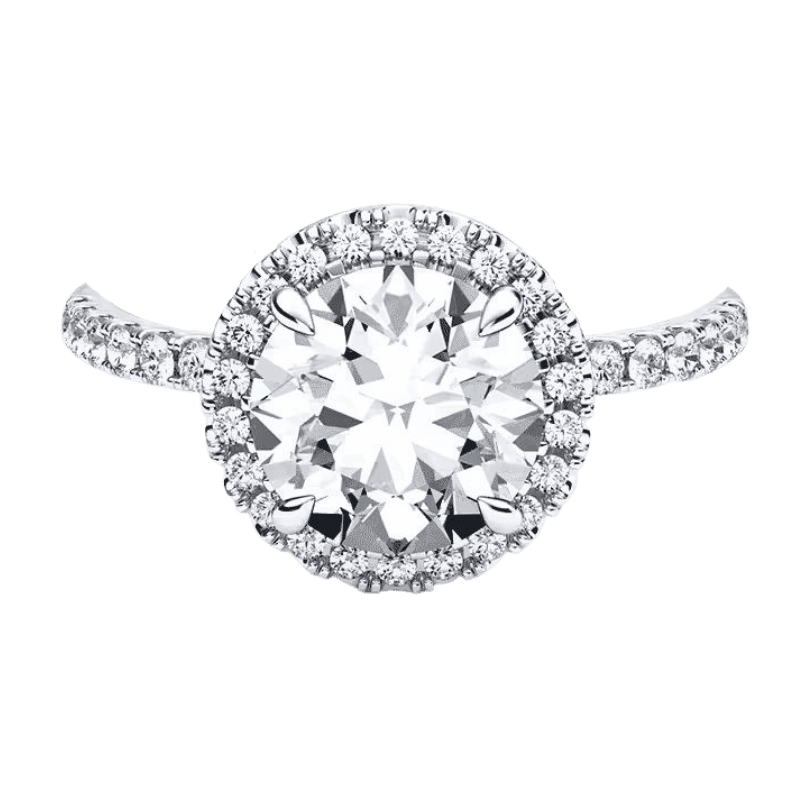
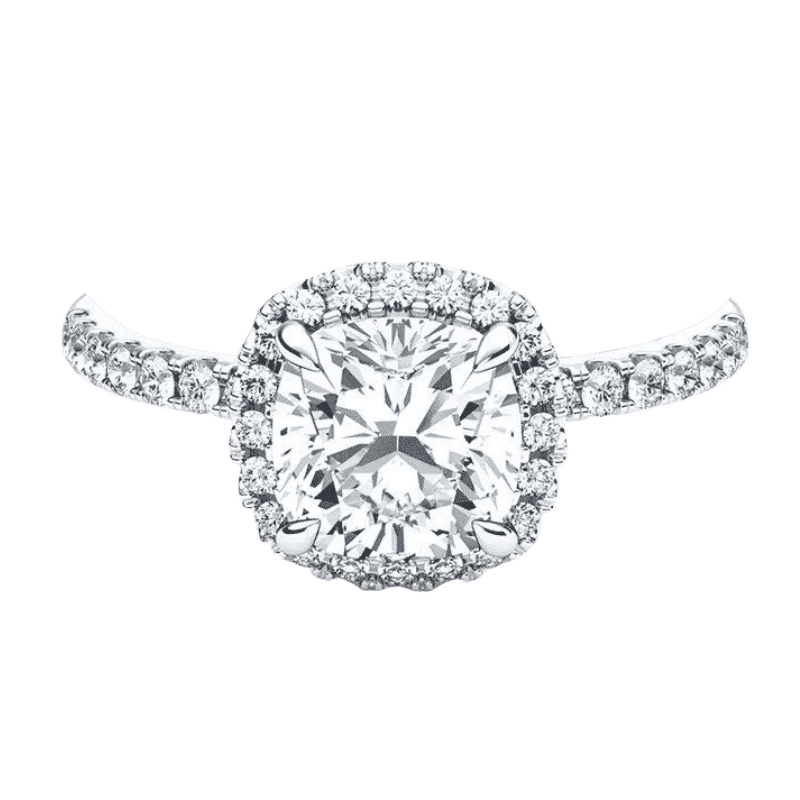
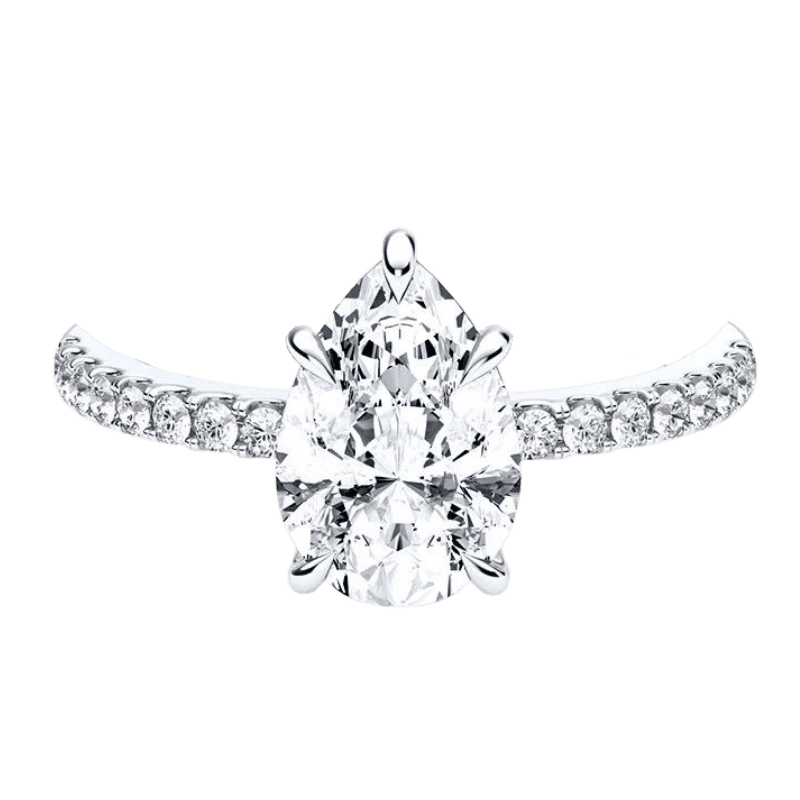
Pear shape diamond – Pear cut
What is a Pear shape diamond?
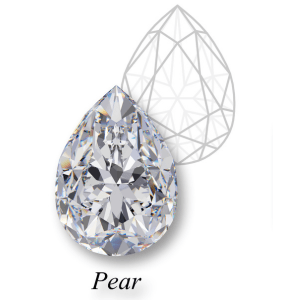
The Pear, or teardrop shape diamond, is a unique combination of a round and a tapering shape. This gemstone is one of the most distinctive shapes in modern jewellery. Gemstones, such as diamonds, sapphires and emeralds, are characterised by elegance, rarity and high certification standards.
A diamond is more than just a stone
A diamond is a symbol of loyalty, love and brilliance. It is formed deep in the earth from pure carbon under extremely high pressure and temperature.
The Pear shape: a classic with a touch of modern style
The Pear shape diamond has a unique asymmetry that provides charm and dynamics. This shape is especially popular among those seeking exclusivity. Every gemstone, whether it be a diamond, sapphire or ruby, provides special elegance and uniqueness.
How does the Pear shape differ from others?
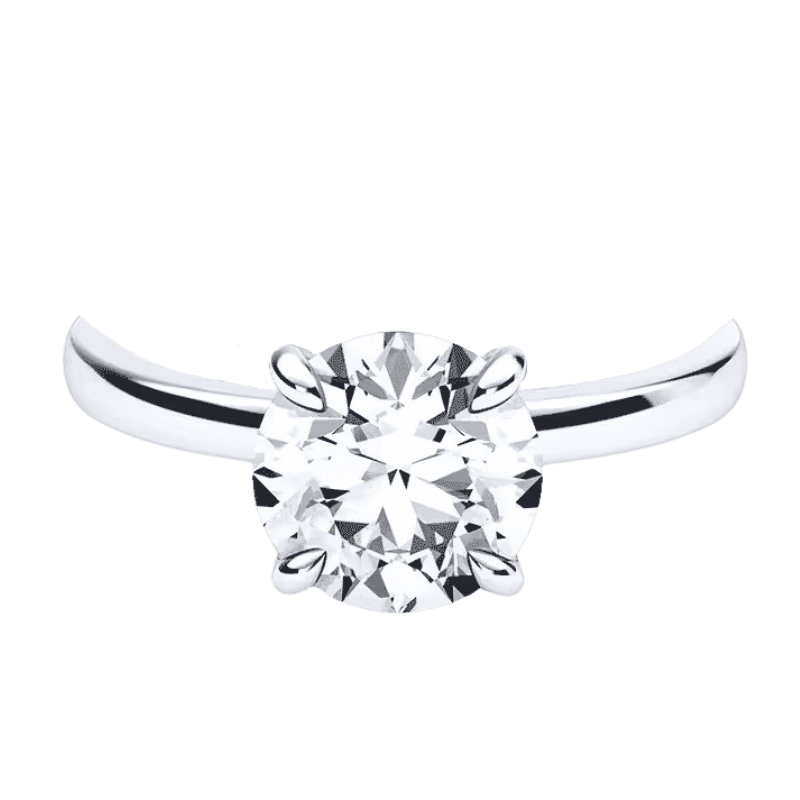
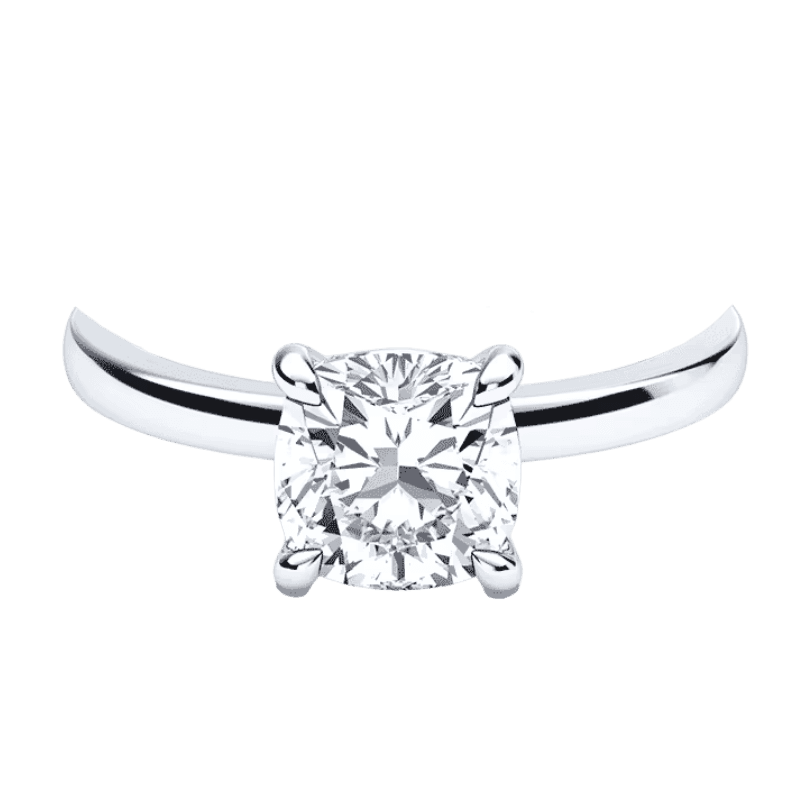
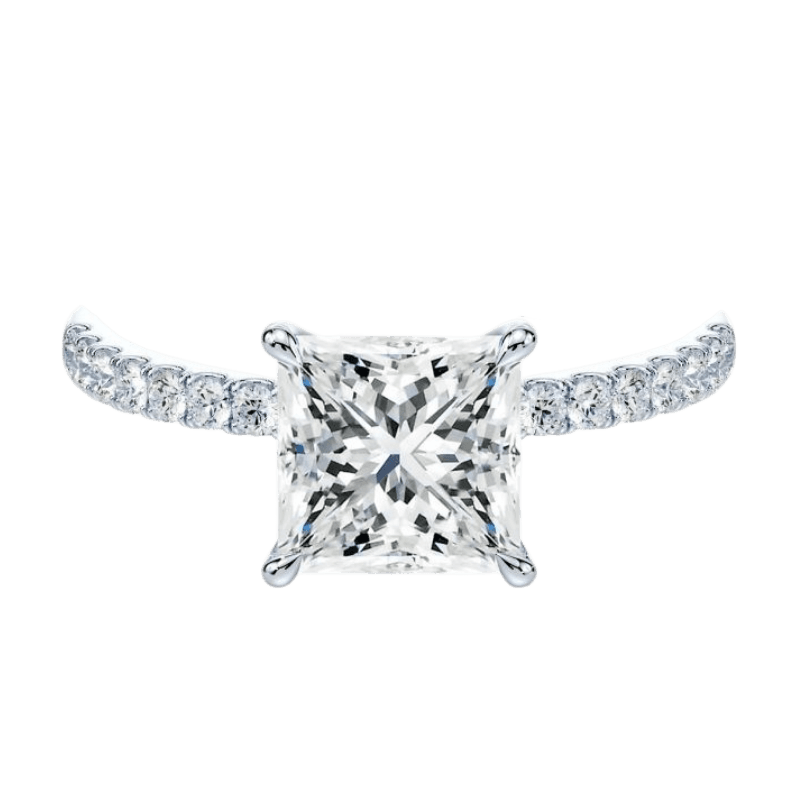
The Pear shape differs from the Princess or Cushion in that it has one pointed end. This creates a visual length and slimness that looks perfect in rings. Unlike other shapes, a brilliant-cut diamond is considered to be a diamond that has been polished to achieve a specific 57 or 58 facet cut, thus increasing its value and attractiveness.
Brilliant-cut diamonds and diamonds: what is the difference?
Brilliant-cut diamonds and diamonds differ in their cut. A brilliant-cut diamond is a diamond with a specific round cut. It is important to certify and evaluate brilliant-cut diamonds according to their characteristics, such as colour and clarity. The Pear shape can have brilliant-style facets, but its geometry is different.
The diamond: a unique creation of nature
Natural diamonds are formed through a process that takes millions of years. They are characterised by durability, beauty and extraordinary brilliance. It is important to note that although every brilliant-cut diamond is a diamond, not every diamond is a brilliant-cut diamond due to the specific cutting and processing required for the production of brilliant-cut diamonds.
The history of diamonds
The diamond is the hardest natural mineral found in the world, with a history dating back thousands of years. Ancient civilisations, such as Egypt, China and India, already knew about diamonds and considered them gemstones. They were used in jewellery and as symbols of wealth and power. The first diamonds were found in South Africa, where their mining began. Today, diamonds are mined all over the world, but the majority of them are concentrated in Africa, Russia, Canada and Australia. The diamond is a unique stone that can be used as a jewellery piece, an investment or a symbol of love and trust. They not only adorn, but also have great value, which is why they are appreciated all over the world.
Diamond and clarity
Clarity refers to diamond clarity. People often mistakenly believe that all diamonds are the same. The clearer the stone, the more valuable it is. Common choices: VS1, SI1.
Diamond certificates: GIA, IGI, Lithuanian Assay
Certified diamonds – these are stones that have been approved by the GIA, IGI or the Lithuanian Assay Office. This guarantees authenticity and quality. Certified diamonds are an essential part of jewellery, as they ensure high quality and value.
Diamond colour
Colour is one of the most important criteria affecting the diamond price. Assessed on a D–Z scale, D means a completely colourless diamond, and Z – distinctly yellowish. The Pear shape can visually enhance the perception of colour, so it is recommended to choose a stone of a higher colour grade, especially if it is of a larger carat. The less colour – the greater the value and beauty.

Diamond price: main factors
The price of a diamond depends on weight, colour, clarity, shape and certificate. The precision of the cut and proportions are also evaluated. In order to choose the right diamond, it is important to consult experts who can help you understand the various characteristics and make informed decisions according to your individual needs and budget.
Price of a 1 carat diamond
The price of a 1 carat diamond in the Pear shape can start from 1500 euros and go up to 15000 euros or more, depending on quality and certification. In order to make the best decision regarding such an important investment as diamonds and brilliant-cut diamonds, the consultation of professionals is invaluable.
Diamond price by shape
Pear shape diamonds are often cheaper than round brilliant-cut diamonds, making them attractive to those who want to save money but do not want to sacrifice beauty.
Diamond clarity and its impact on price
Even small inclusions, impurities in the Pear shape can be visible to the eye, so it is important to choose high clarity gemstones, especially if the stone is of a larger carat. Carats also play an important role in determining the price and selection of a diamond.
Brilliant-cut diamond or Pear shape diamond?
A brilliant-cut diamond shines brighter, but the Pear shape is more original. Brilliant-cut diamonds and diamonds differ in their visual effect and shape, so it is important to choose according to your needs. When evaluating diamonds, it is important to consider colour, clarity and cut, as these factors can affect their value. Even the smallest detail can be significant.
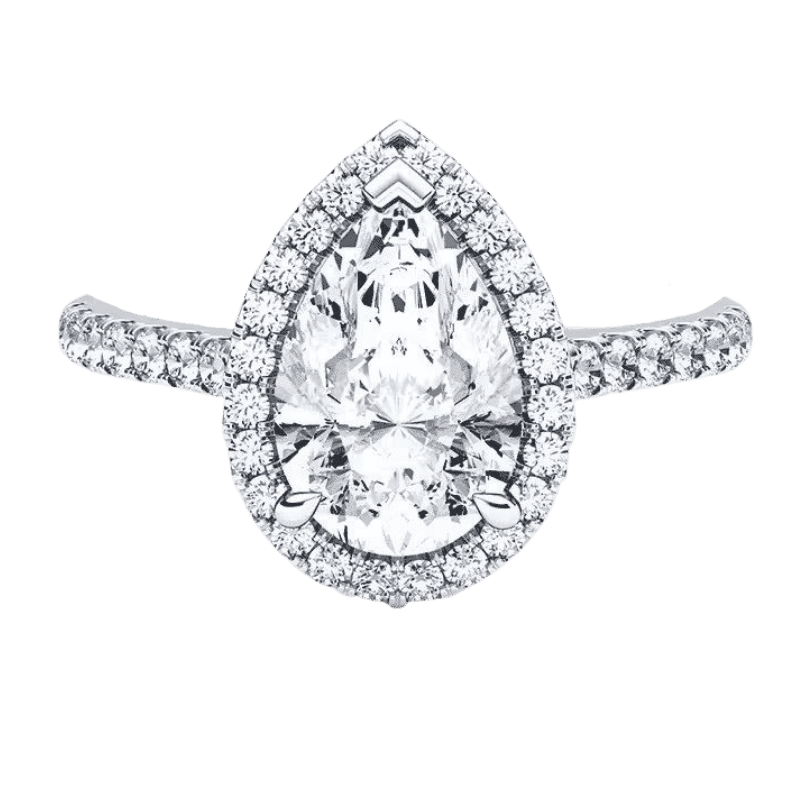
Pear diamond in jewellery
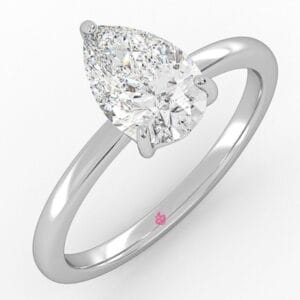
Pear shape diamonds are most commonly used in engagement rings, but also look great in earrings, pendants or even bracelets. In order for a diamond to acquire the characteristics of a brilliant-cut diamond, it is necessary to apply specific techniques and processes that ensure optimal light reflection.
Diamond as a gift
A diamond has always been and will be a special gift. The Pear shape gives this gemstone even more personality and meaning. There are various sizes, parameters and shapes of diamonds to choose from.
A diamond is an investment
High quality, certified diamonds are not only beauty, but also an investment. They do not lose their value and are suitable for long-term storage. The reliability and value of these diamonds are especially important when choosing them as an investment.
Diamond collecting
Diamond collecting is a popular hobby among gemstone collectors. Diamonds are valued for their rarity, beauty and investment value. Each diamond is unique, so collectors can collect diamonds that meet their needs and budget. Collecting requires knowledge about diamond characteristics such as colour, clarity, shape and certificate. Diamonds certified according to the Lithuanian Assay Office or GIA standards are considered high quality and valuable. Diamond collecting is not only an interesting, but also a financially rewarding hobby that can bring a lot of joy and satisfaction.
How to care for a Pear shape diamond?
It is recommended to use a soft, gentle brush, mild soap and water, and to protect the diamond from impacts, as the Pear shape has a pointed end that can be more sensitive. It is important to know how to properly care for a diamond so that it remains in perfect condition.
Discover the perfect stone
Discover your Pear shape diamond according to your budget, style and occasion. TopDiamonds.Online assortment displays only selected, certified and verified production. By choosing the right diamond for a gift, you can express your feelings and highlight special occasions.
Advice
A Pear shape diamond is a combination of elegance, personality and brilliance. It is suitable for both classic and modern styles. Discover the diamond that meets your dreams with TopDiamonds.Online.
Frequently Asked Questions (FAQ)
Is a Pear shape diamond suitable for an engagement ring?
Yes. This shape looks exceptional in rings and visually elongates the finger.
Does a Pear diamond highlight colour more?
A brilliant-cut diamond is a round diamond that has more facets and emits a brighter sparkle, while an Emerald diamond shines with mirror-like reflections.
Can a Pear shape diamond be certified?
Yes. Due to the larger surface area, yellowish tints may be more noticeable – it is recommended to choose a D–F colour grade.
What clarity is most suitable for a Pear shape?
Yes. All natural diamonds, regardless of shape, can be certified by GIA, IGI or the Lithuanian Assay Office.
Is a Pear shape diamond suitable for everyday wear?
Recommended clarity grades: VS1, SI1 – they ensure purity, and inclusions are less noticeable.
How is the Pear shape superior to a brilliant-cut diamond?
The Pear shape is more unique, elongates the finger and often appears larger than a brilliant-cut diamond of the same carat. It is a great choice for those looking for exclusivity.