Natural diamond: origin and unique formation
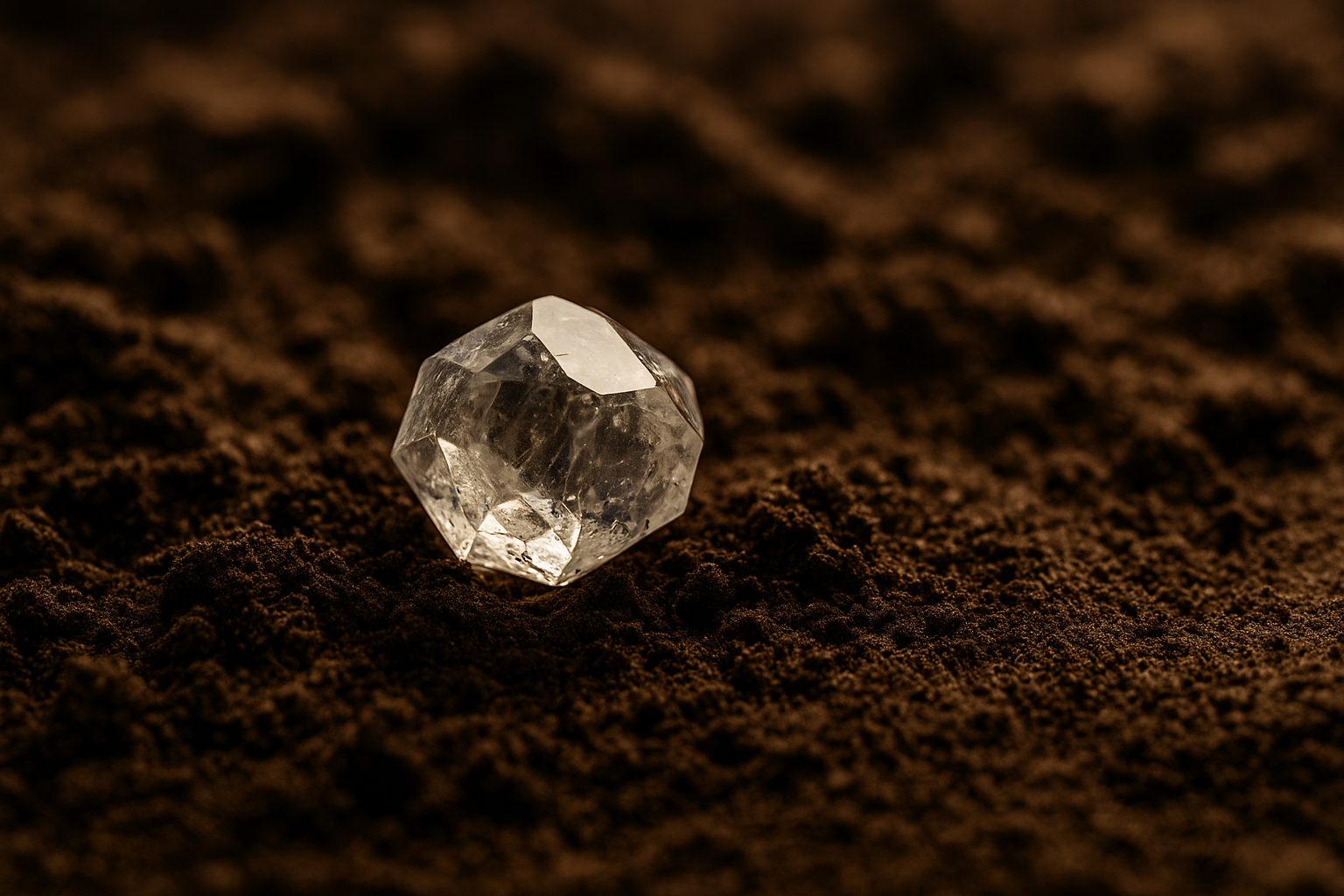
The diamond is the hardest natural stone mineral, forming over millions of years deep in the Earth’s mantle, therefore a diamond is rare, unique, and because of this its price is usually higher than that of other gemstones.
It is important to know about a diamond’s colour, clarity, and cut parameters, as these characteristics determine a diamond’s value and help make an informed decision when choosing a gemstone.
A diamond can be considered not only a valuable stone, but also a precious gemstone or an investment asset.
History of diamonds: from ancient times to today
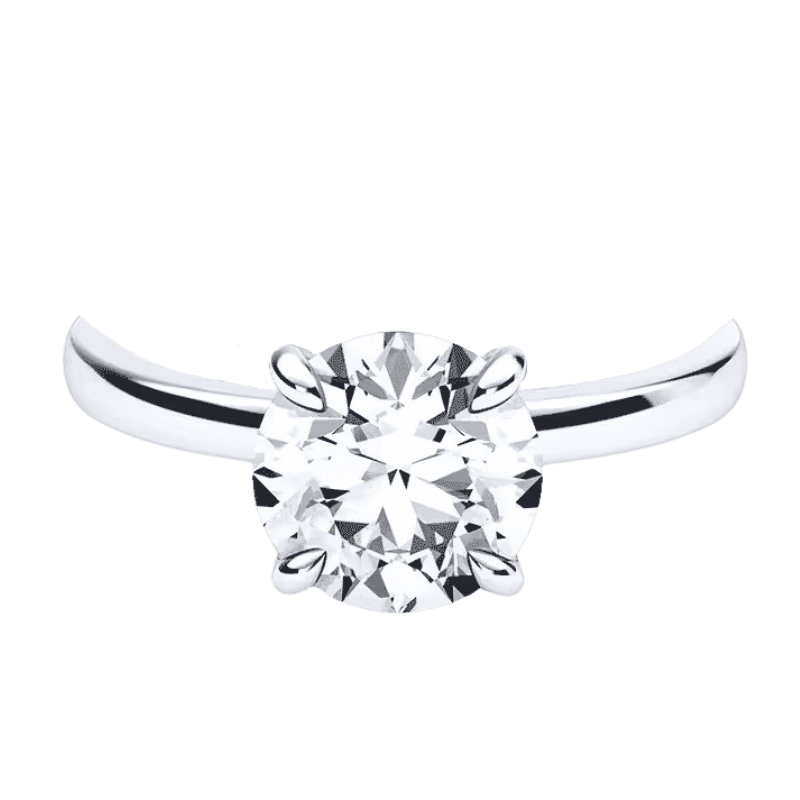
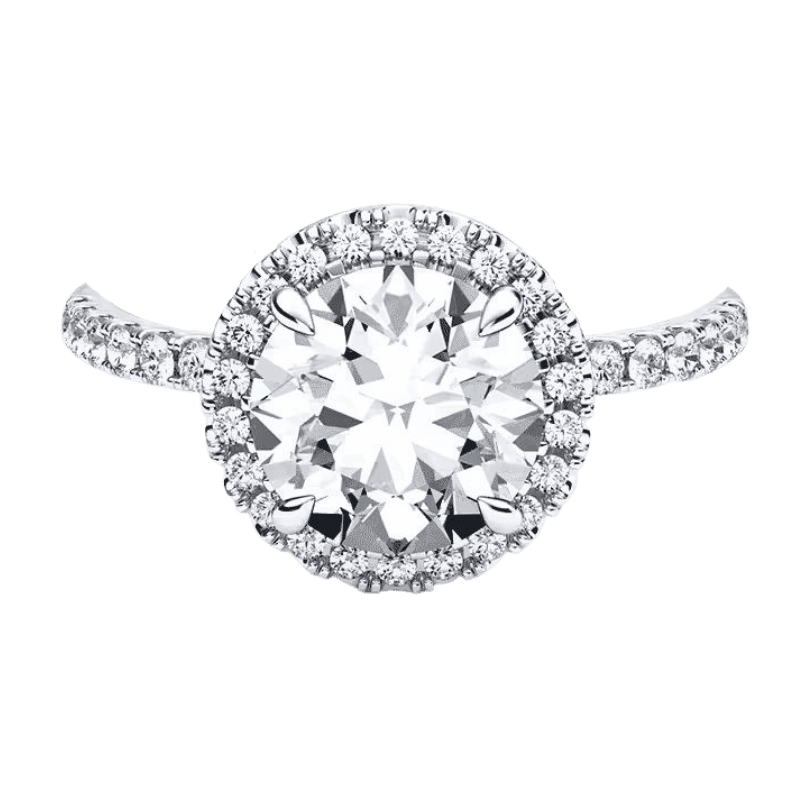
The history of diamonds goes back thousands of years – even in ancient Egypt and India, diamonds were considered a gift from the gods, symbolising eternal love, loyalty, and wealth. A diamond is not only a gemstone, but also a cultural phenomenon that has accompanied humanity since the very first civilisations. In ancient times, diamonds were worn only by the chosen ones, and their rarity and brilliance inspired respect and admiration. It is important to know that a brilliant-cut diamond is a round shape diamond with 57 or 58 facets – it is exactly this cut that brings out all of the diamond’s beauty and brilliance. Thus, whether it is a natural diamond or lab-grown, each of them has its own history and remains a special gift.
A gift of nature or a miracle of science?
When discussing “brilliant-cut diamond or diamond”, it is worth knowing that a brilliant-cut diamond is a round shape diamond with 57–58 facets; such cut quality increases brilliance, but the diamond’s carat price also rises.
Lab-grown diamond (Lab Grown Diamonds): what changes?
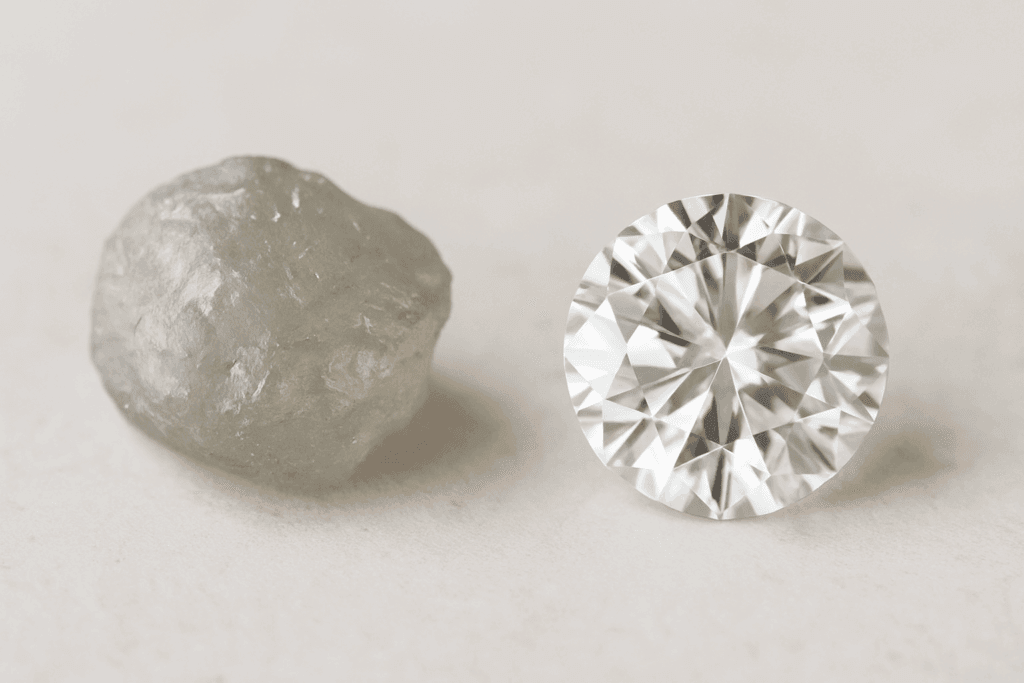
Lab-grown diamonds (also called artificial diamonds) grow for a few weeks, replicating the natural process; visually and in chemical composition they differ only in their growth location, therefore they can meet a person’s relevant budget.
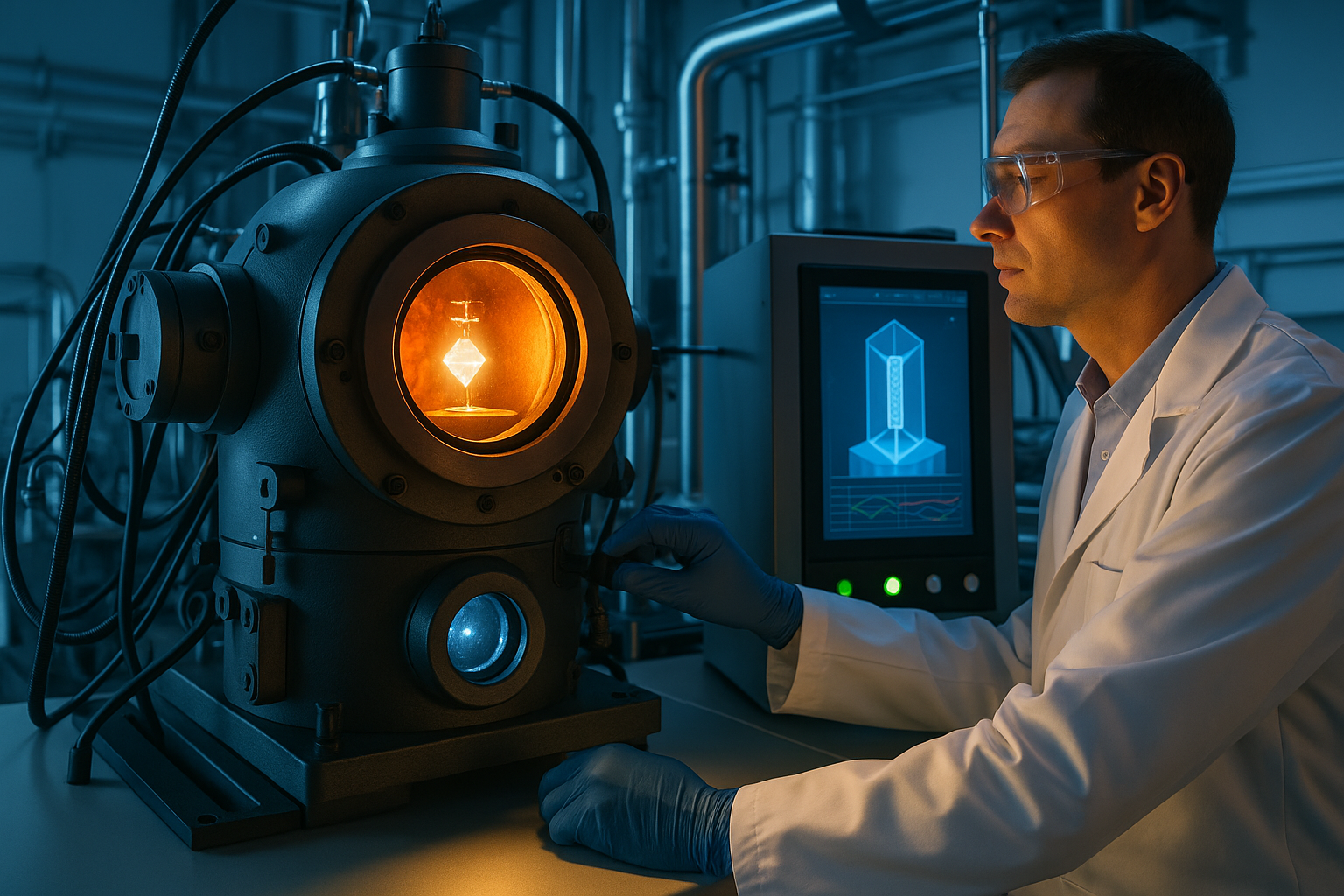
However, natural diamonds are still considered more unique due to their origin and history.
1 carat diamond price: myths and reality
For natural stones, a 1 carat diamond price can reach tens of thousands of euros, while a lab-grown analogue will cost tens of times less – a great solution for those who want to save, but not give up on brilliance.
GIA certificate – passport of quality
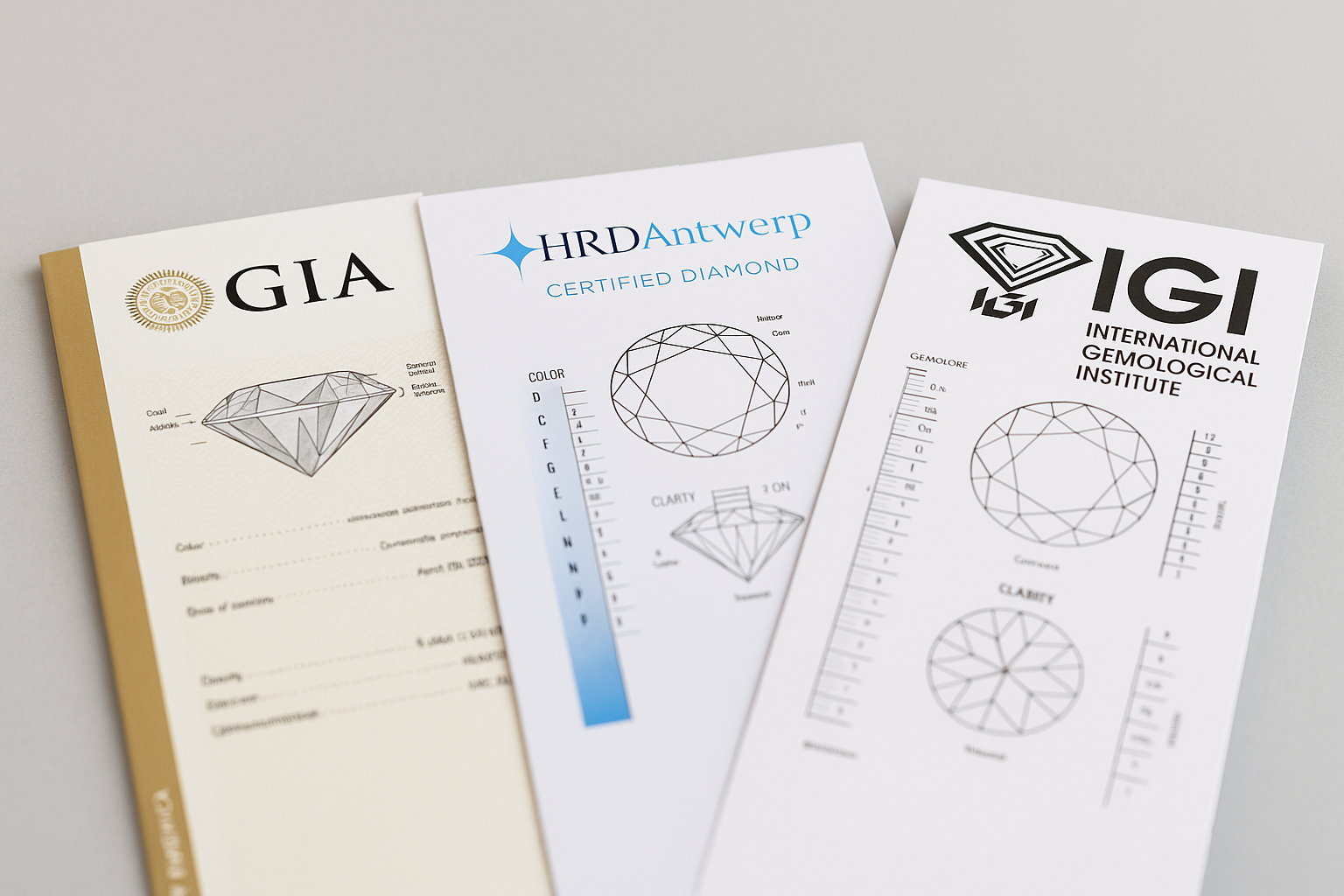
Whether you choose a natural or lab-grown stone, it is worth ensuring that it has a GIA or HRD certificate; certified diamonds guarantee the correct specification of colour, clarity, weight and shape. The certificate is not only GIA; IGI, HRD are also recognised, it is important that the document has a laser inscription, ensuring the stone is exactly the same one.
Lithuanian Assay Office: local reliability
All diamonds sold in Lithuania must be additionally inspected at the Lithuanian Assay Office; this guarantees that the gemstone’s parameters comply with the law. In our product catalogue, all stones are certified, therefore all clients can buy online, but first we recommend a consultation so that you use your budget efficiently.
The quality four: the essence of 4C
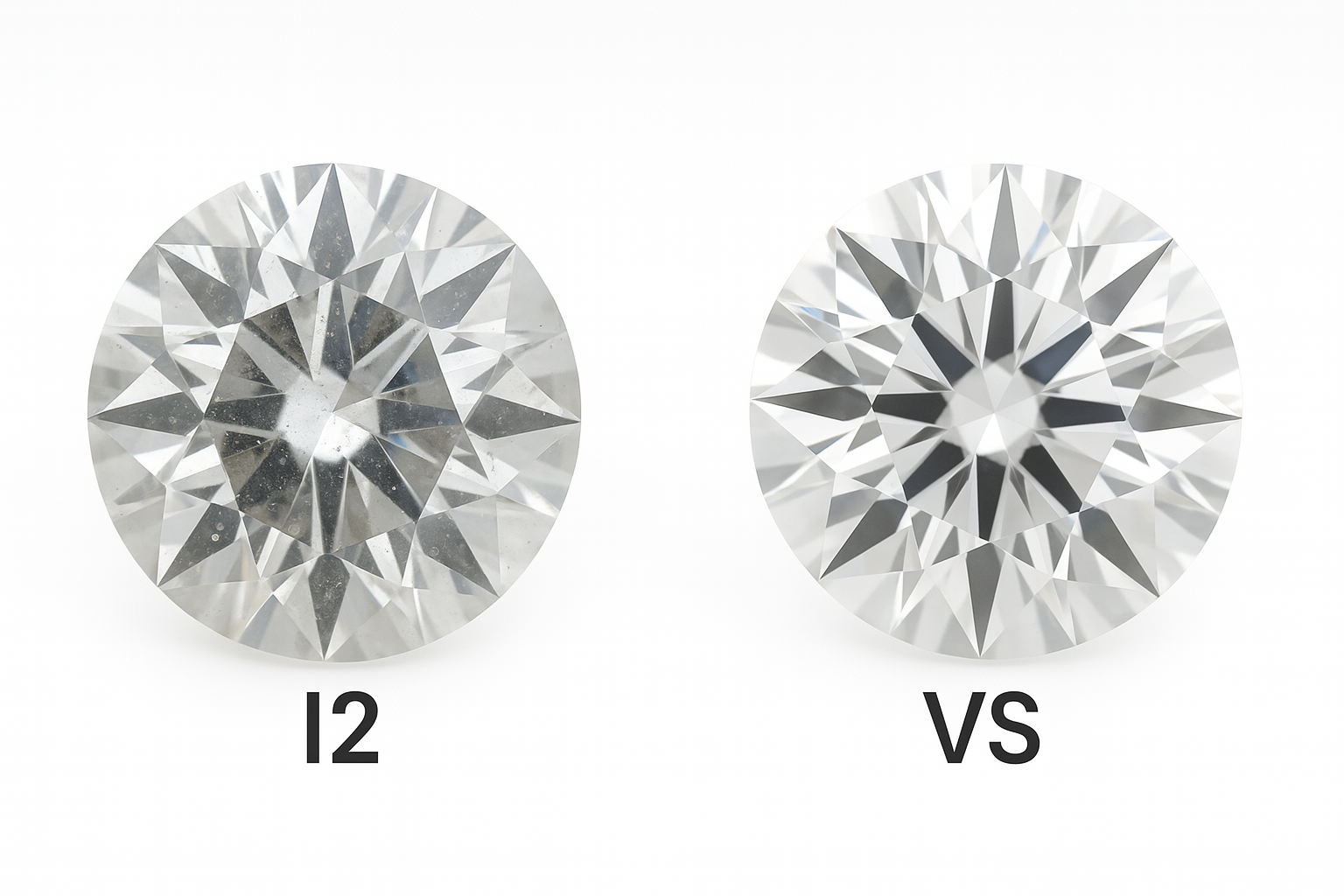
Colour (Colour), clarity ( Clarity), cut (Cut) and carats (Carat) determine how much a brilliant-cut diamond or diamond will cost; clarity (VS, SI) and colour (D–H) can make up to half of the final amount.
Shape and needs
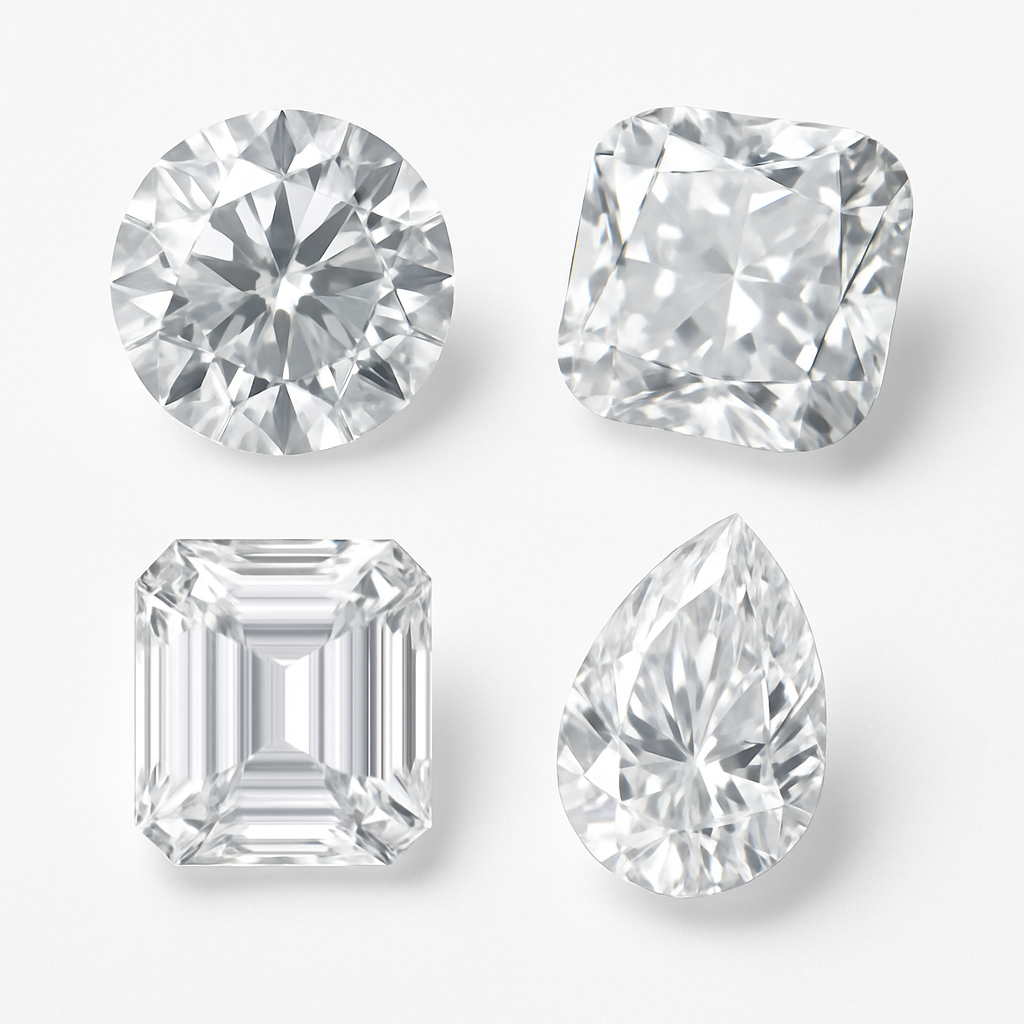
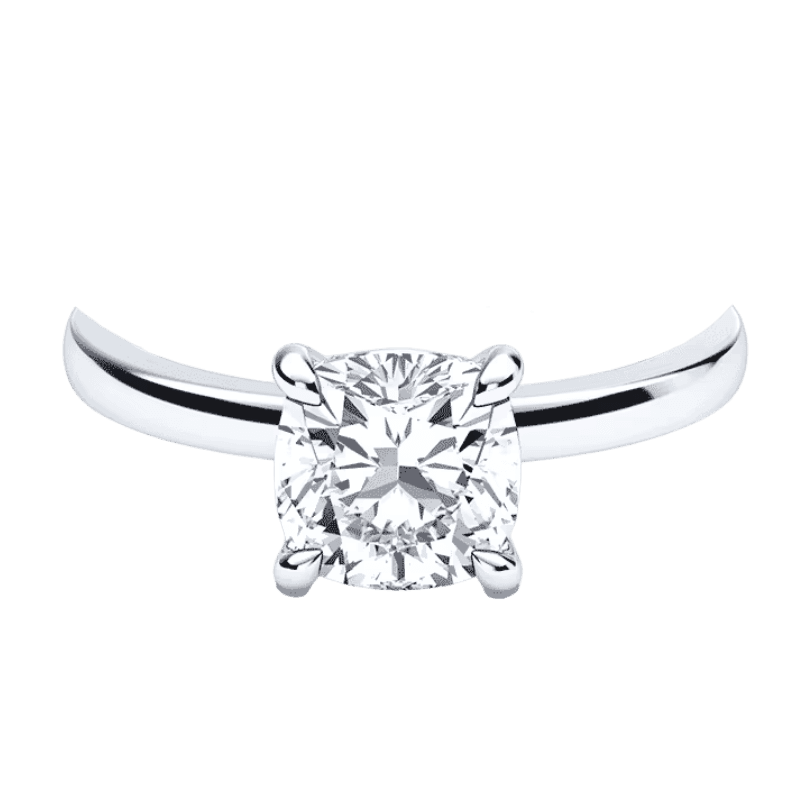
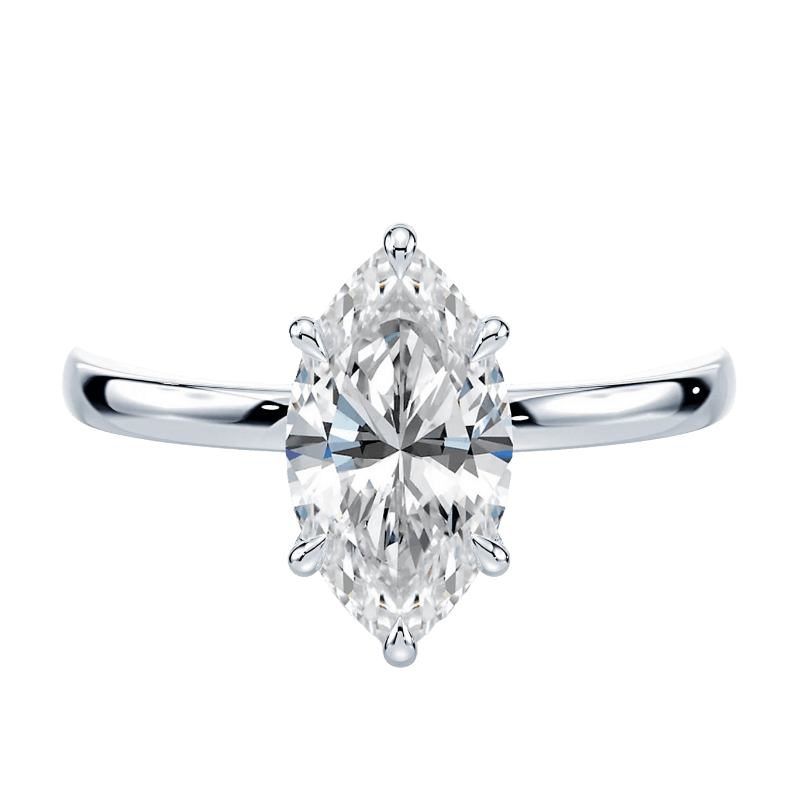
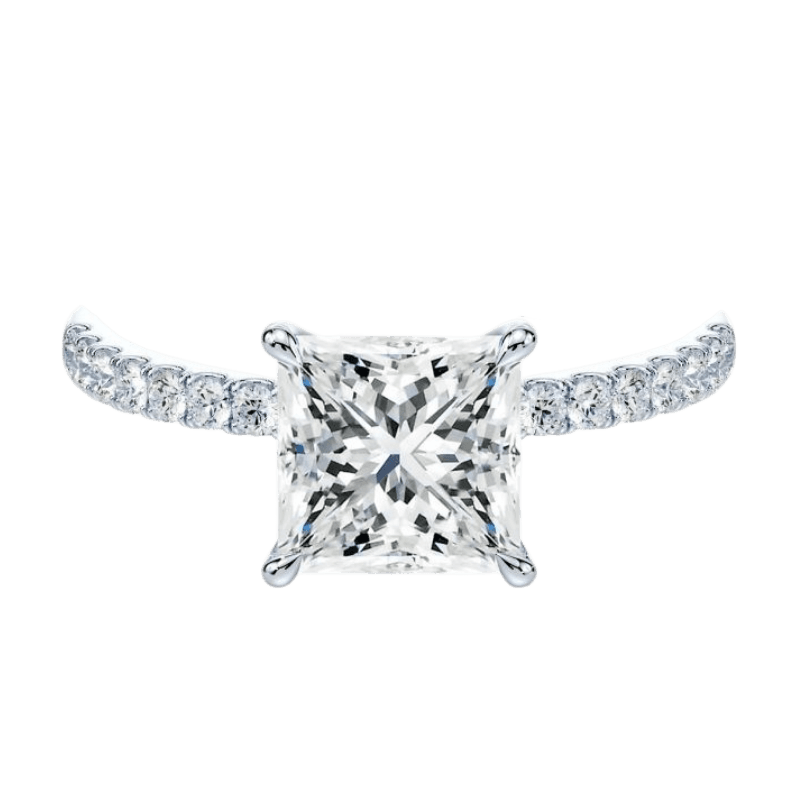
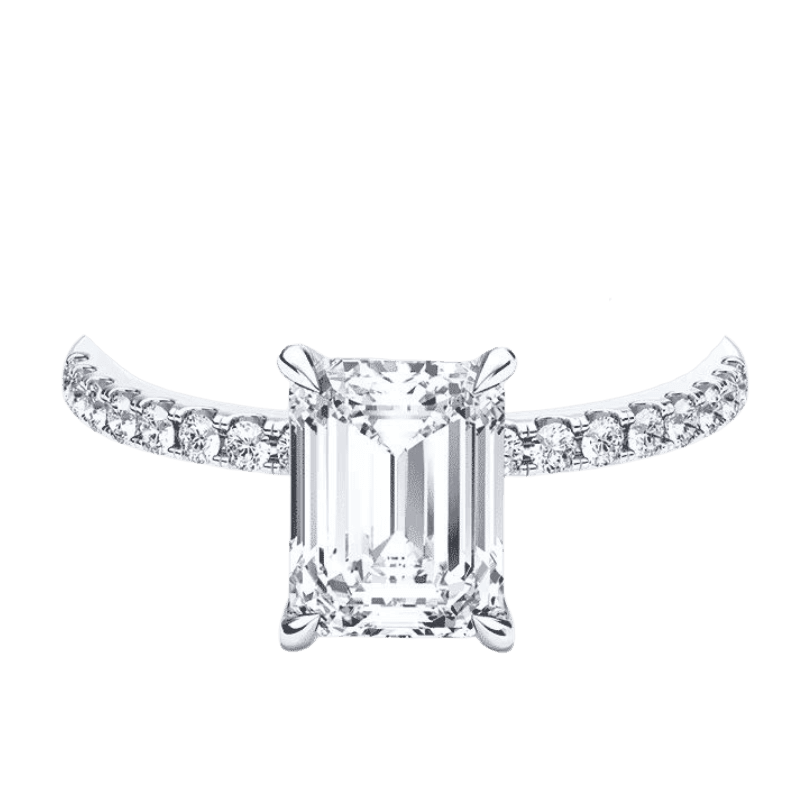
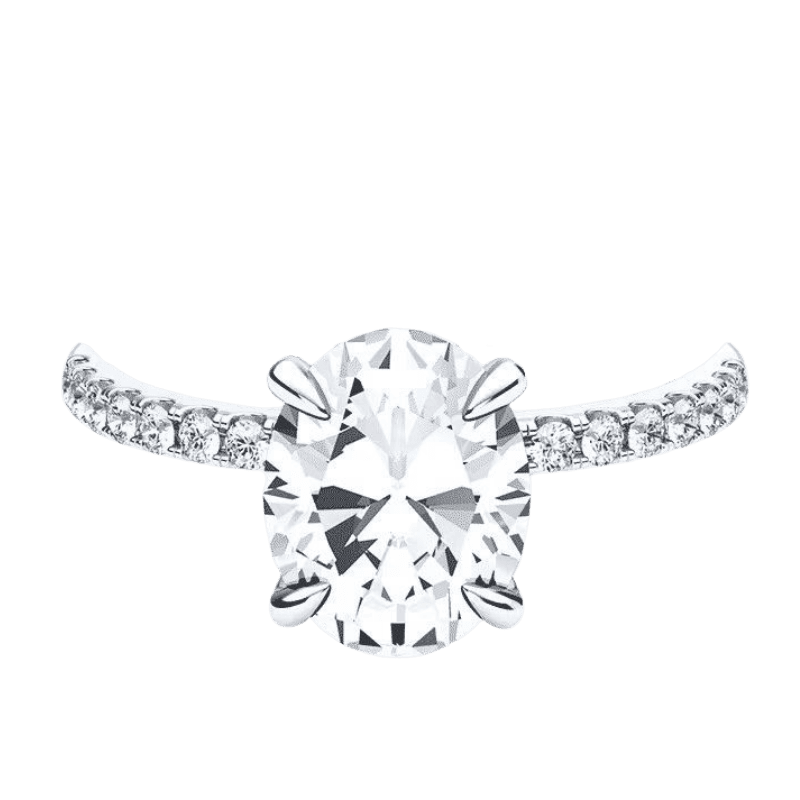
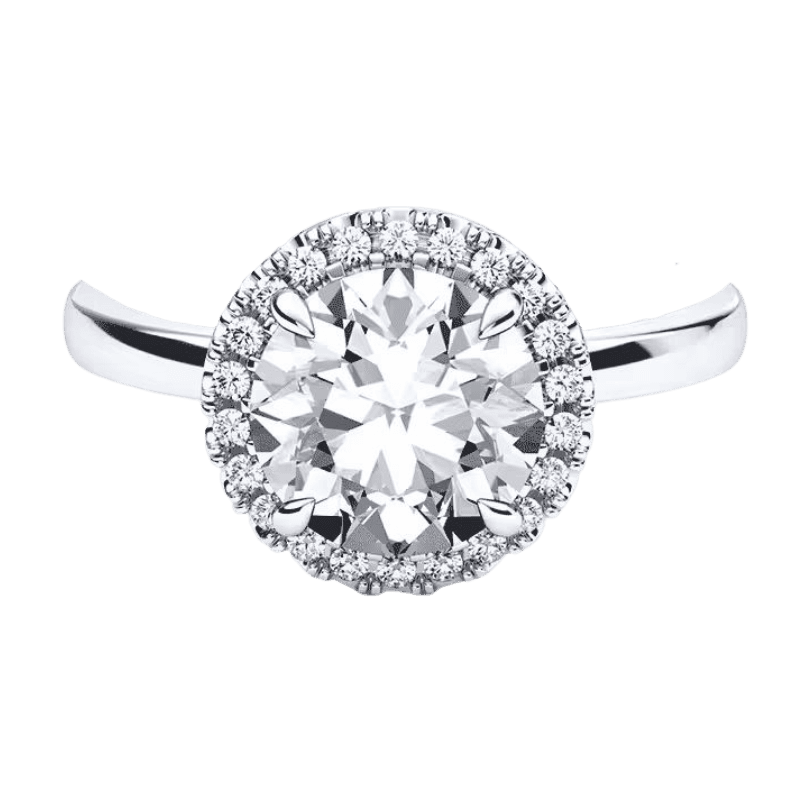
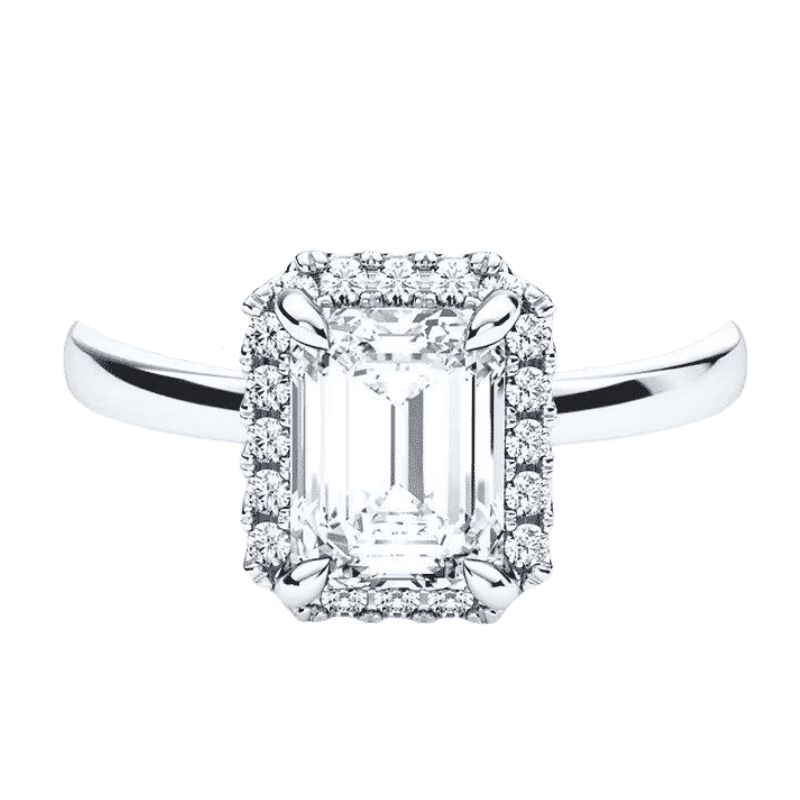
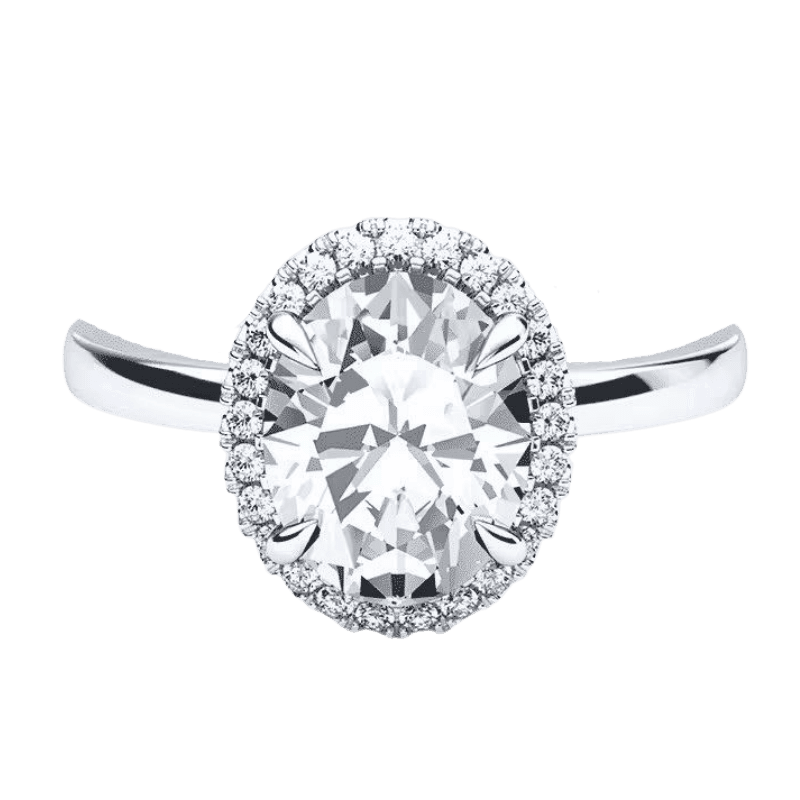
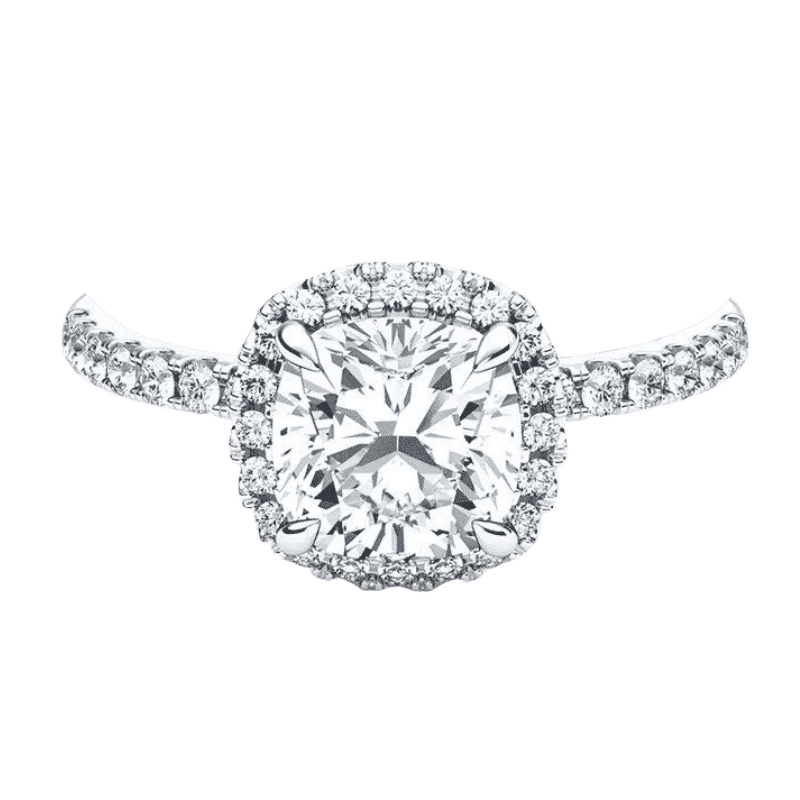
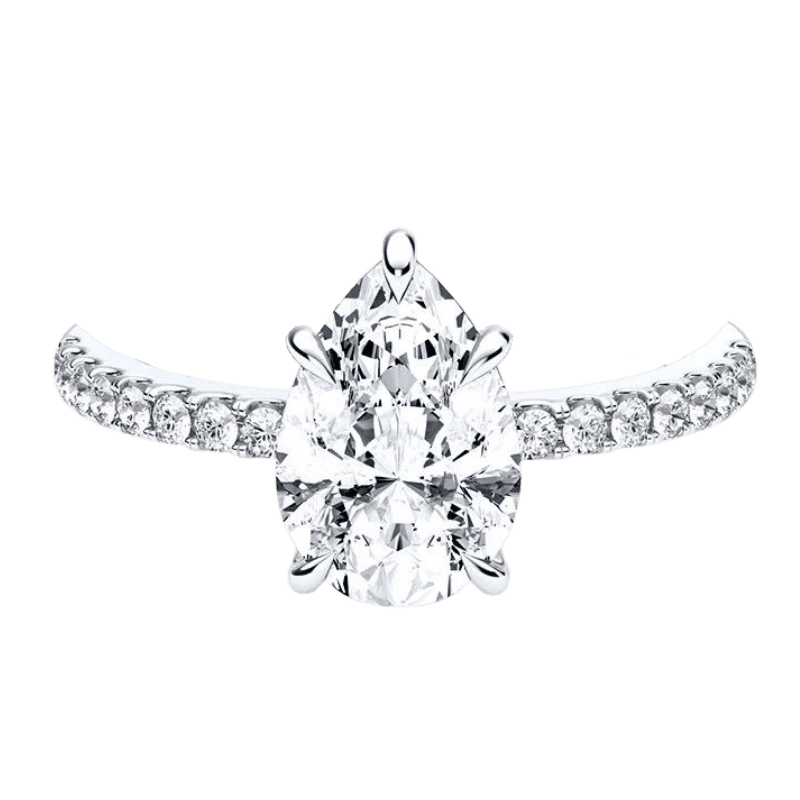
The round shape sparkles the most, but Princess or Oval shapes can look larger for the same weight; you need to choose according to your needs and budget.
Diamonds price according to the market
Natural diamonds price rises due to limited deposits, while lab-grown ones stabilise pricing; the interval from 0,10 ct to 5 ct allows every client to find a solution.
Investment or romance?
The investment is valid if the stone has a high colour, clarity, and GIA; a gift of love can focus on the stone’s history, colour symbolism, and ring design.
Rings with lab-grown diamonds
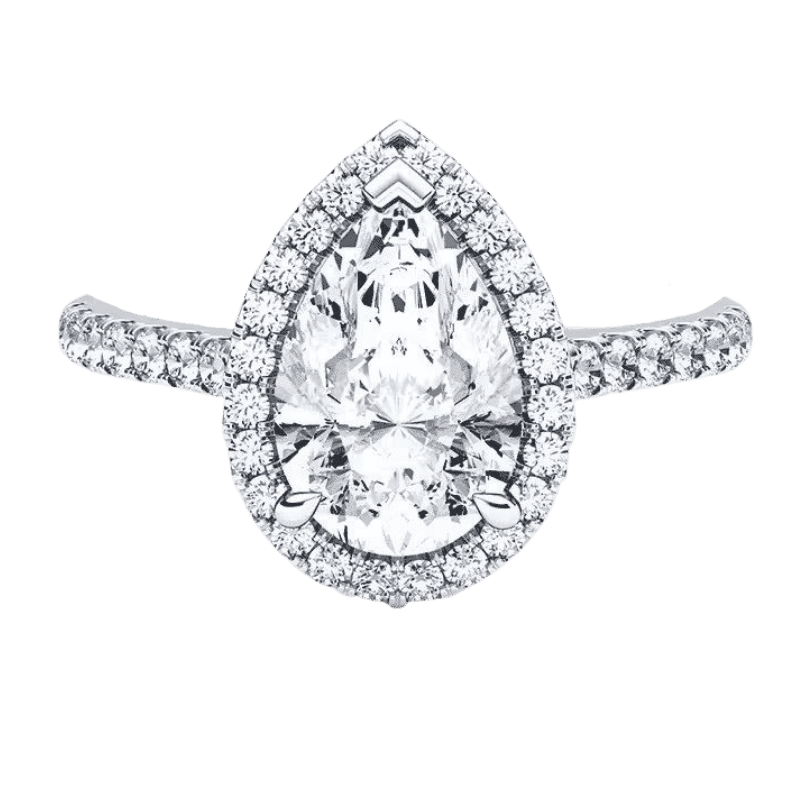
In our topdiamonds.online collection you will find white gold rings with diamonds, whose price is favourable, but quality certificates are identical to natural ones.
Ecology and ethics
Lab-grown diamonds are born without the mining impact on the environment; it is a sustainable choice for a person who values earth’s resources and social responsibility.The sustainability argument – mining uses water and energy; the production of lab-grown ones also requires electricity, but the CO₂ footprint is smaller – a fact that is increasingly important to the younger generation.
Emotional factor
Natural diamonds have been carrying the earth’s history for millions of years already; this is valued by everyone who seeks a unique gemstone grown in the depths of nature.
Diamonds as an investment
High quality brilliant-cut diamonds meeting GIA D/IF criteria retain their value; the investment perspective of lab-grown ones is not yet clear, therefore they are more suitable for jewellery.
Gemstone colour: important to know
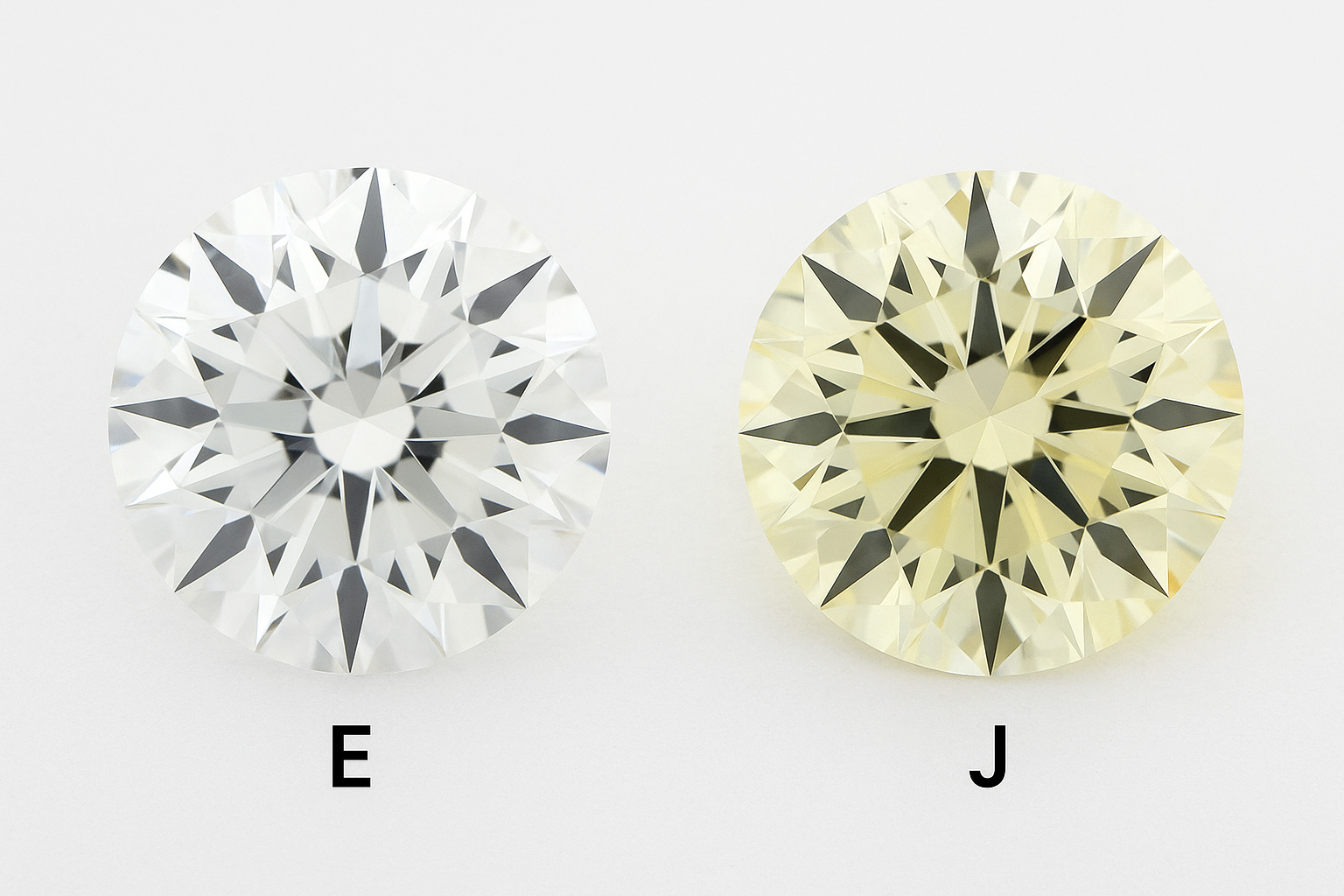
A natural diamond can have a yellow tint, reducing its value; in the laboratory it is possible to ‘‘grow’’ a perfectly white one, therefore colour becomes a budget management tool.
Clarity and daily appearance
SI1 in a natural diamond can have invisible inclusions, meanwhile a lab-grown VS1 for the same price will look even more transparent; it is worth choosing with the eye, not just by the number.
Client’s budget and decisions
If the budget is limited, the lab-grown option allows increasing the weight and colour without the price going up; a natural smaller stone will satisfy the needs of tradition.
1 carat lab-grown diamond price
Currently, a 1 ct lab-grown price starts from 500 – 800 eur, a natural analogue – from 6 000 eur; this allows choosing according to goals, and not just possibilities.
Product availability
Reserves of large natural diamonds are decreasing, therefore the price is rising; lab-grown ones can be made to order, so you will not have to wait for the desired colour or weight.
Choosing according to values
Those who value rarity and history will choose a natural one; those who value innovation and price will choose a lab-grown one; both paths are right, if you know what you want.
Advice
Consult with our experts: they will help coordinate the shape, clarity, colour, weight and most importantly the price, so that the gemstone’s brilliance serves you for a lifetime.