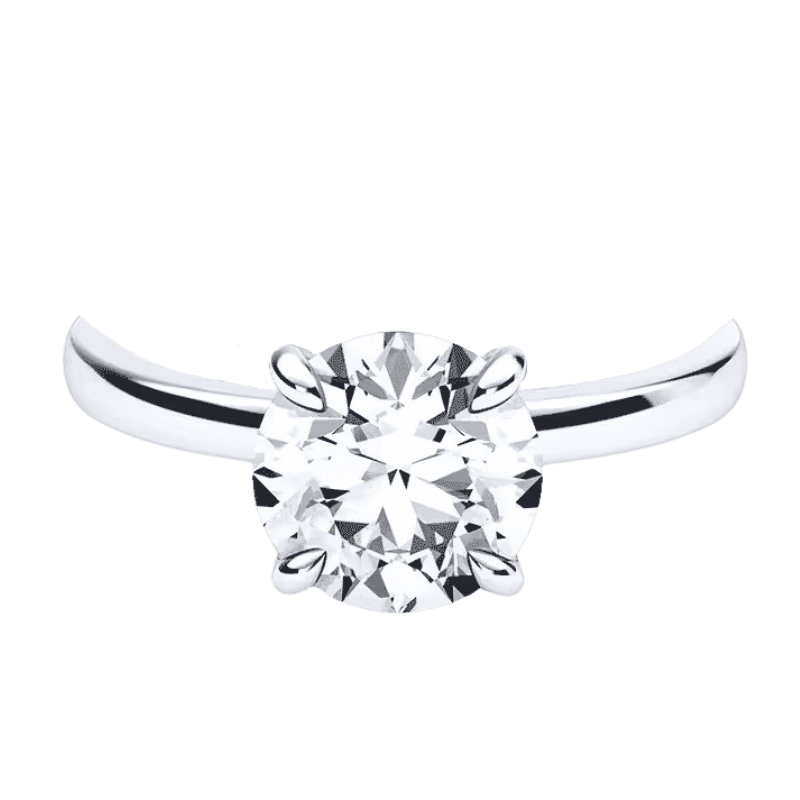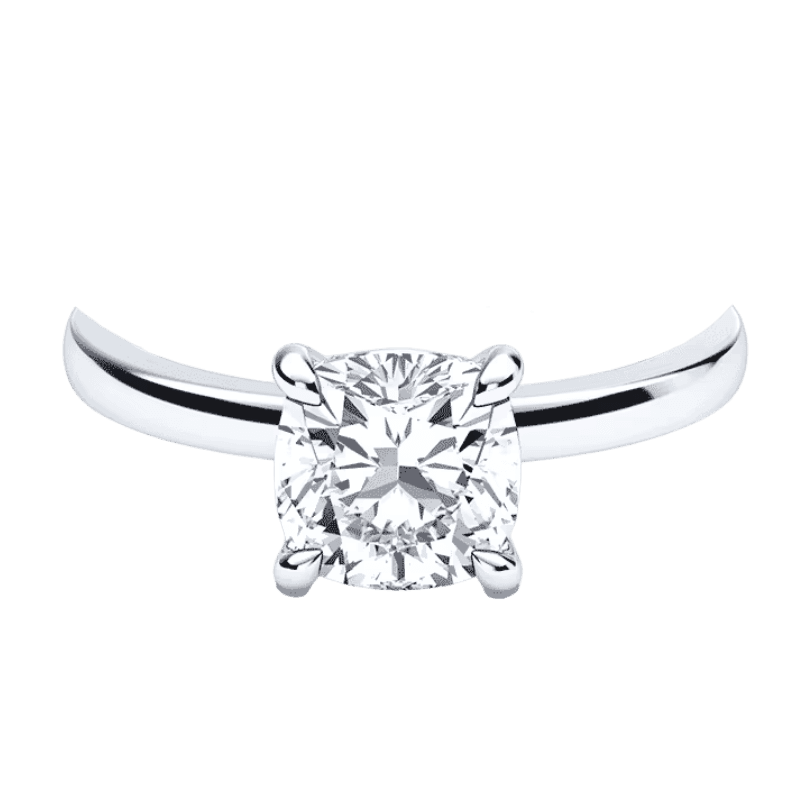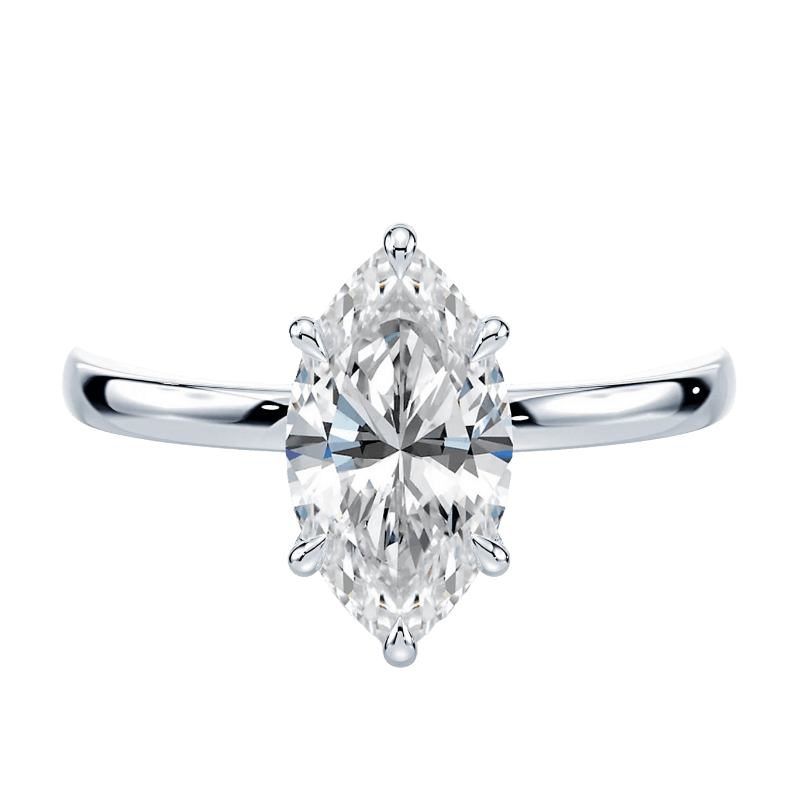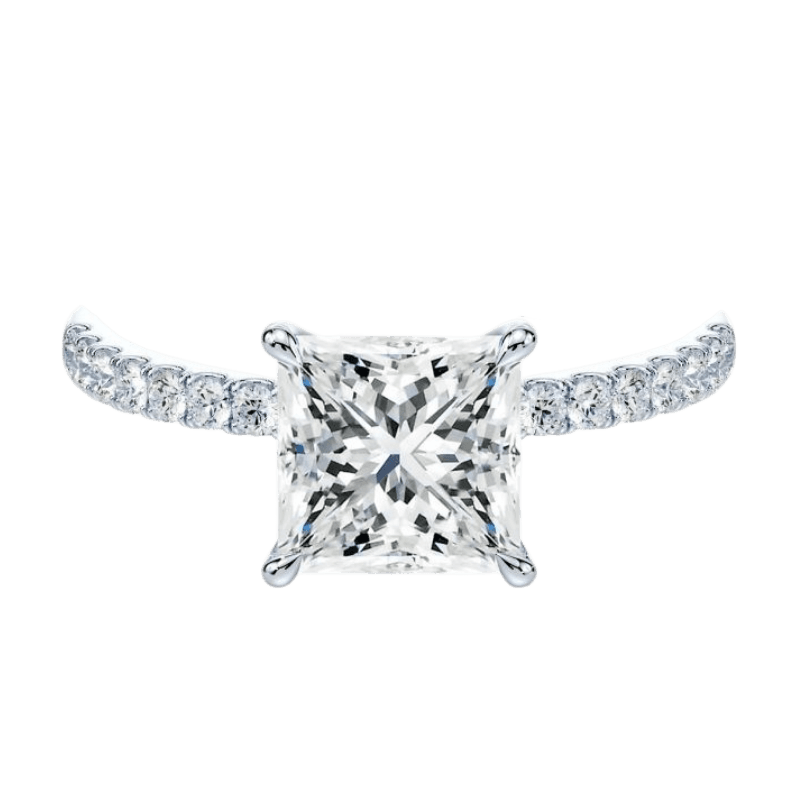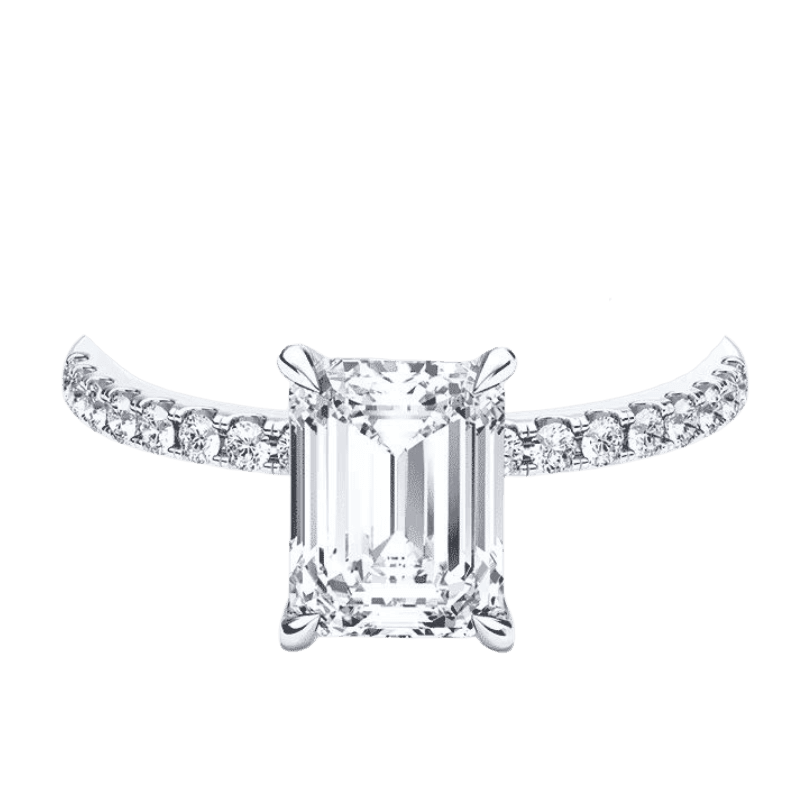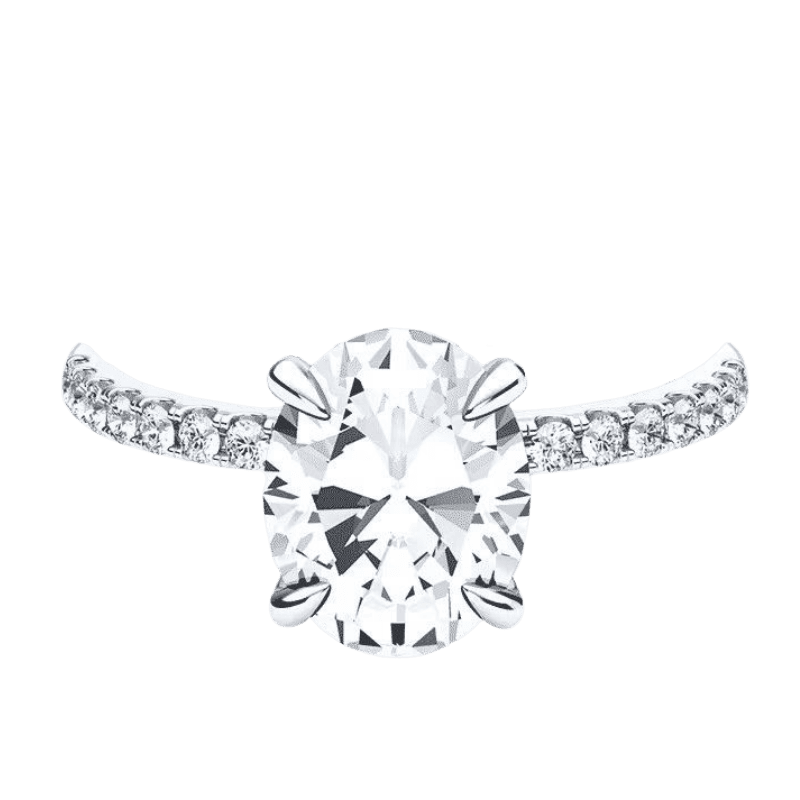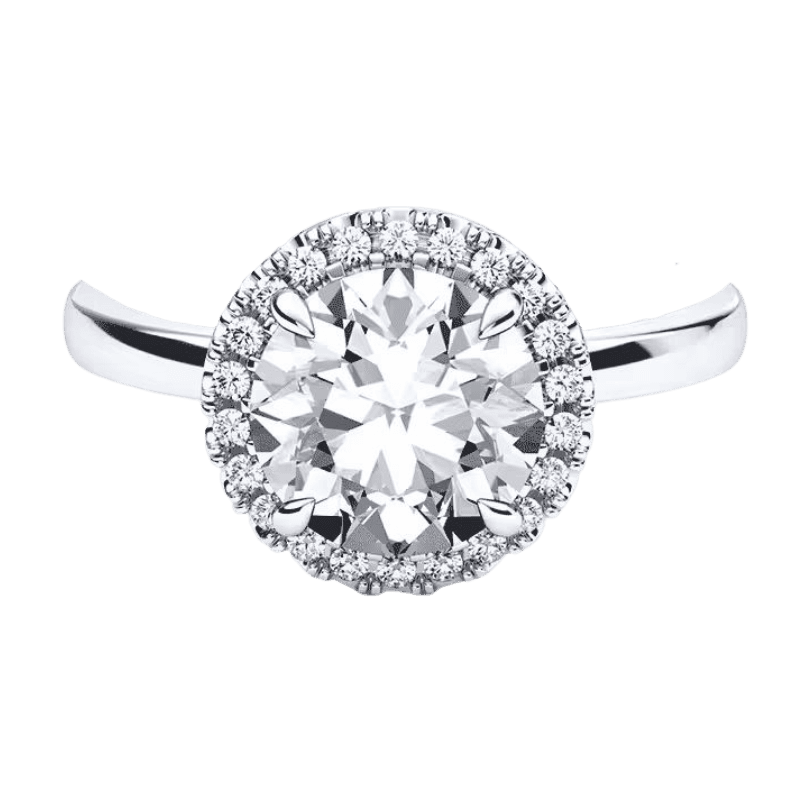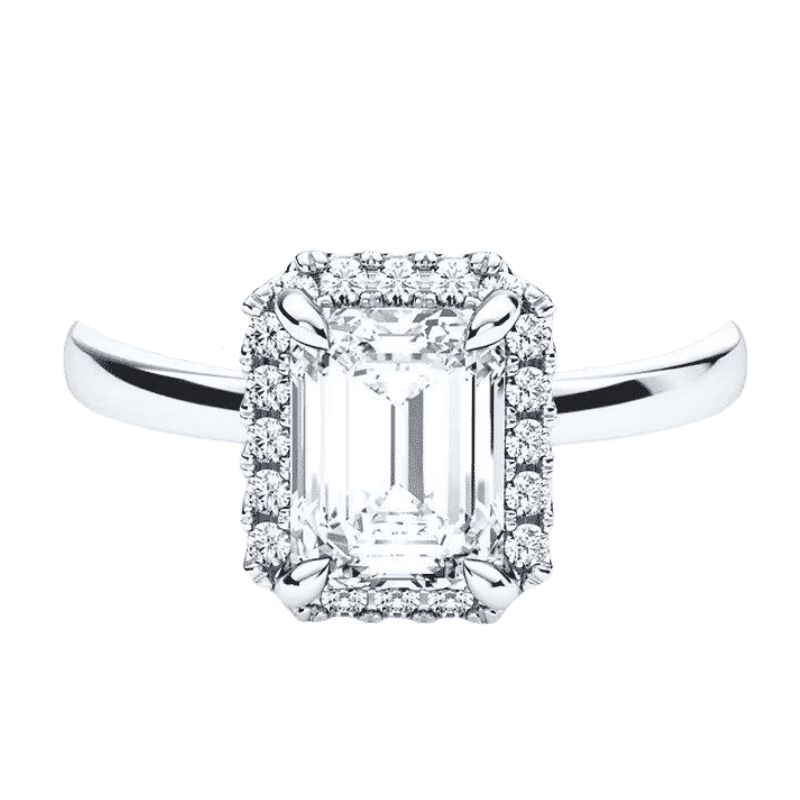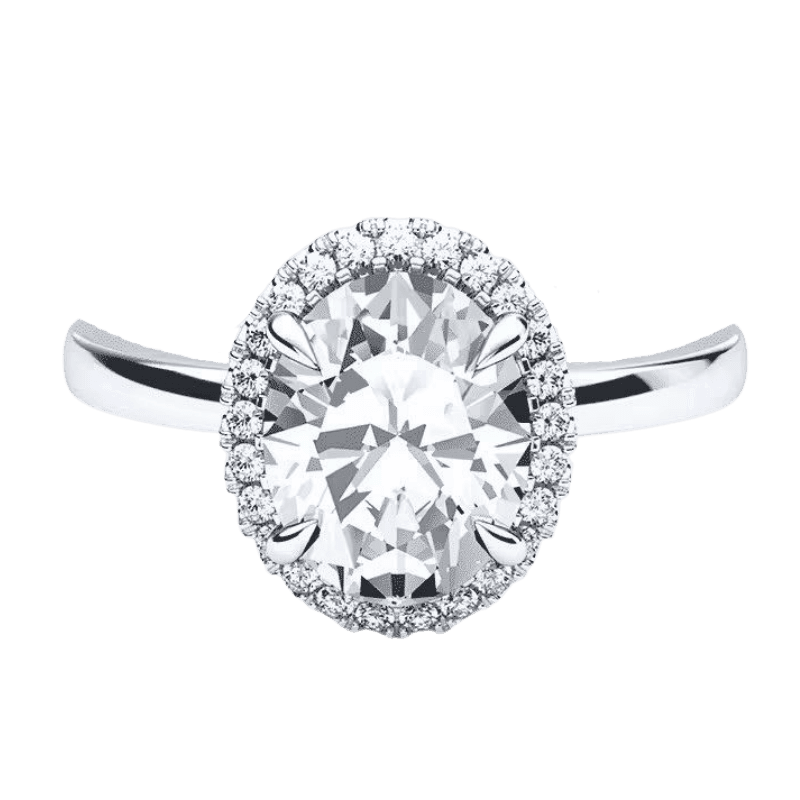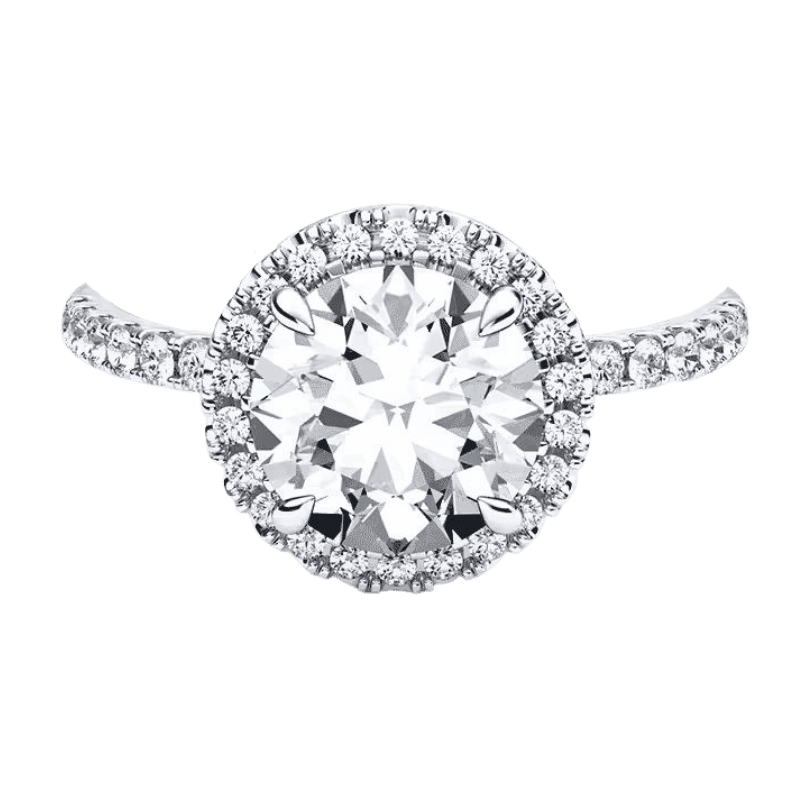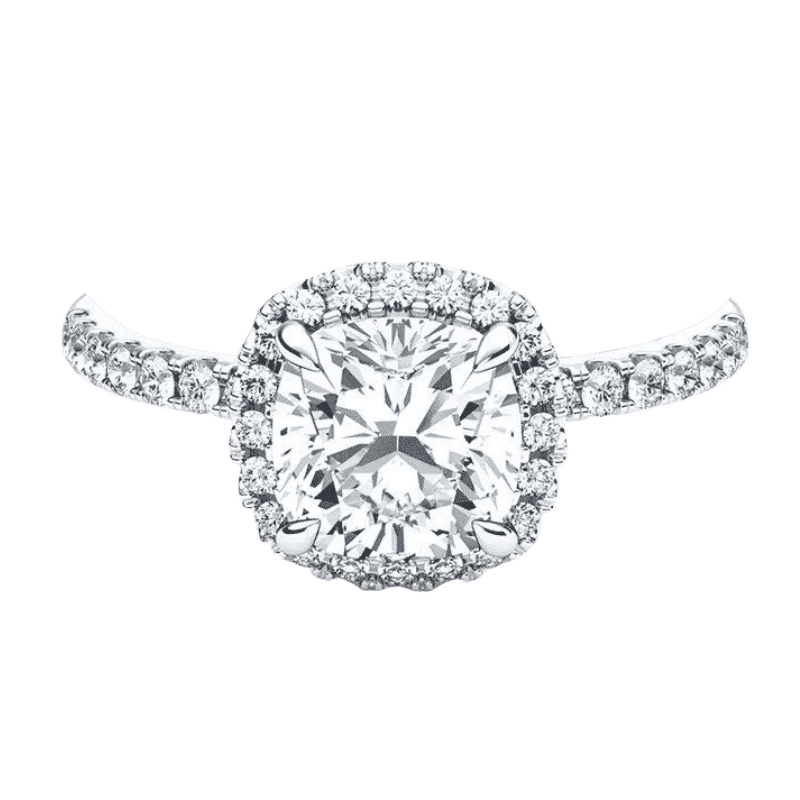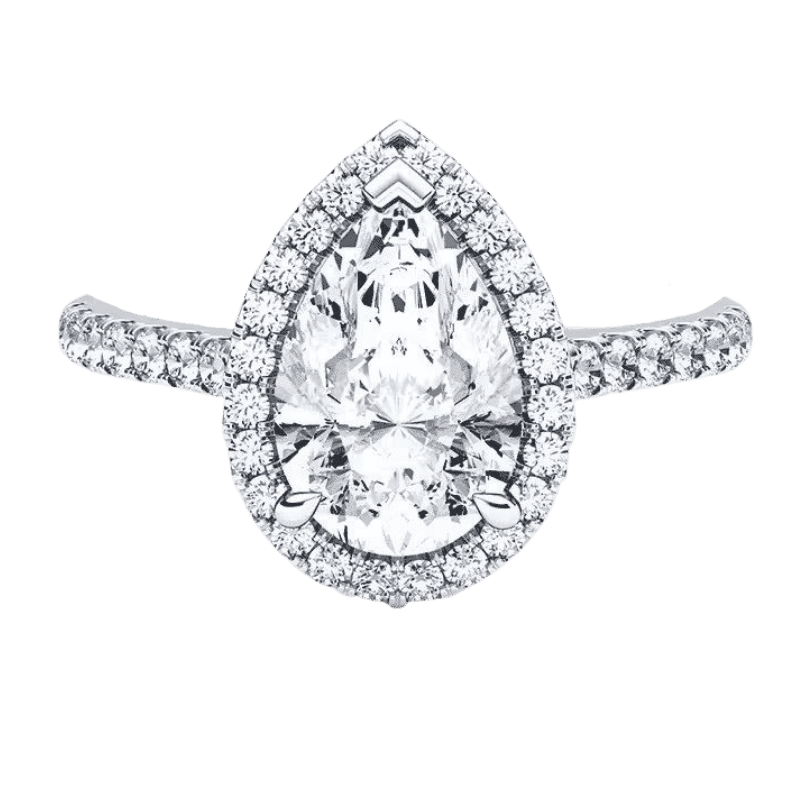
Which metal is best for a ring? Advice on choosing a ring for a lifetime.
Gold – A Classic Choice For A Ring
Gold – one of the most popular precious metals in jewellery and various gold products. It is durable, valuable and universally suitable for both engagement and wedding rings. However, it is worth knowing that pure gold (24 carats) is very soft and unsuitable for everyday wear.
Therefore, 585 gold is most commonly used for rings – this is 14 carat gold. 14k (14 carat) gold means that out of 24 parts, 14 are pure gold, and the rest are other metals; for comparison, 18k gold has more pure gold, and 9k – less. This combination is strong enough that it will not distort with everyday wear, and at the same time pure enough to retain the gold colour.
Advantages of gold:
- ✅ Time-tested classic – always remains fashionable
- ✅ You can choose from different colours: yellow gold (traditional, natural yellow-tinted gold, obtained by melting pure gold with silver and copper), white or rose gold. The colour of yellow gold depends on the composition of the alloys, and the choice of colour is a matter of aesthetics, not value.
- ✅ 585 fineness ensures a good balance between hardness and luxury
- ✅ Affordable price and wide selection
Disadvantages of gold:
- ⚠️ May slightly change colour over time (especially white gold without rhodium – white gold is often plated with rhodium to maintain a bright appearance)
- ⚠️ Requires gentle care – avoid chemicals and strong impacts.

Platinum – an exceptional precious metal for jewellery
Platinum – one of the most prestigious precious metals in jewellery, often chosen by those who value exclusivity, luxury and minimalism. It features a naturally white hue that does not fade over time, making it perfect for both engagement and wedding rings. In addition, platinum is one of the most hypoallergenic metals, making it an excellent choice for people with sensitive skin or those allergic to nickel.
Although many believe that platinum is extremely hard and highly resistant to wear, it is actually softer than many gold alloys and wears down faster, especially when subjected to strong mechanical impact. This misconception originated in the old days when gold rings were made from thin bands that were soldered together – the weakest point was precisely the soldering seam. Meanwhile, platinum rings were often made from a solid tube without soldering, so over time they earned a reputation for durability, which is partly based on manufacturing differences rather than the hardness of the metal itself.

Why choose 585 gold?
585 gold is an excellent choice for those looking for a durable, beautiful and valuable ring for everyday wear. Fineness indicates the quality of the product and is important in certifying the authenticity of the product and its compliance with standards. It is suitable for both women and men, pairs perfectly with various gemstones and can be combined with other metal alloys, e.g., white gold, rose gold or silver compositions, which determine the final colour, strength and durability of the jewellery piece.
✅ What to choose?
- If you are looking for a classic, beautiful, durable and affordable ring – choose 585 gold.
- If you want luxury, longevity and a hypoallergenic option – it is worth investing in platinum. Everything you need to know about fineness when choosing a ring.
What is gold fineness?
Gold fineness is an indicator that specifies how much pure gold is in the alloy. Gold fineness and carats together determine the purity, colour and durability of gold jewellery. Fineness is extremely important when choosing jewellery, as it determines not only the value of the jewellery piece but also its physical properties.
How is gold fineness calculated?
Gold fineness indicates how many parts of pure gold there are in 1000 parts of the alloy’s mass. For example, 585 gold has 585 parts of pure gold and 415 parts of other metals. The most common finenesses are 375, 585 and 750 – there is 375 585 750, these numbers indicate what proportion of the alloy is pure gold.
The most popular gold finenesses: 375, 585 and 750
In jewellery, the most commonly encountered finenesses are 375, 585 and 750. A fineness of 375 means that the alloy contains only 37.5% pure gold, with the remainder made up of other metals. A fineness of 585 and a fineness of 750 contain 58.5% and 75% pure gold respectively.
Carats and fineness
24 carat gold is pure gold, in other words, 999 fineness. 18 carat gold corresponds to 750 fineness, and 14 carats (also known as 14k) – to 585 fineness. Thus, fineness is directly related to the number of carats.
What metals are mixed with gold?
Because pure gold is soft, it is often mixed with other metals for jewellery pieces. Copper, silver, palladium or nickel are most commonly used. Rose gold is made by adding copper and other metals, which gives it its characteristic pinkish hue. The alloy contains varying amounts of metals depending on the desired colour and hardness, which is why the composition of the alloys is extremely important for the properties of the jewellery products.
Different colours of gold
Gold is yellow in colour, so natural yellow gold is obtained by melting gold with silver, copper and zinc, which maintain its warm hue. However, its alloys can also be white gold or rose gold in colour. White gold is produced by mixing gold with other metals, such as nickel, palladium or platinum, and is usually plated with rhodium to achieve a bright white hue. Rose gold is obtained by mixing the gold alloy with a higher amount of copper
Why is it important to choose the right gold fineness?
It is not always true that a higher gold fineness is the best choice for all cases – it is important to take individual needs and intended use into account.
It is worth choosing the gold fineness according to your needs: if you want exceptional shine and value – choose a higher fineness gold. However, if you are looking for a more durable jewellery piece for everyday wear, 585 gold can be a good choice.
Supervision of precious metals of the Republic of Lithuania
The Lithuanian hallmark ensures that the exact amount of precious metal in the product is specified. This is a guarantee of security and quality.
Fineness is a guarantee of quality
Fineness is important information for both consumers and jewellers. It indicates not only the amount of gold, but also the value and authenticity reflected by a specific jewellery piece, emphasising the properties of the product.
Marking of precious metals
According to the requirements of the state supervision of precious metals and gemstones of the Republic of Lithuania, all products must be marked with a hallmark and a maker’s mark.
Alloy composition and properties
The properties of the alloy depend on which metals and in what proportions are mixed in, therefore various alloy compositions exist. The quantity in the alloy determines the colour, hardness and resistance of the product to environmental factors.
Is a high fineness always better?
Not always. 750 gold is softer and more suitable for occasional jewellery, because due to the higher amount of gold in its alloy, the metal becomes more flexible and more prone to “bend” – that is, it features greater mobility or flexibility. Meanwhile, 585 fineness is more durable and more suitable for everyday wear.
What is the difference between 375, 585 and 750 finenesses?
The main standards for gold fineness are 375, 585 and 750 – that is 375 585 750, which indicate the amount of pure gold in the alloy.
375 fineness is more economical, but can oxidise faster. 585 is the most balanced between quality and price. 750 is a high value and prestigious choice.
Gold alloy and its use
Gold alloy, depending on the fineness, is used in different jewellery products and items: rings, chains, earrings. The higher the fineness, the more pure gold there is in the composition of the alloys and in the product itself.
How to recognise gold fineness?
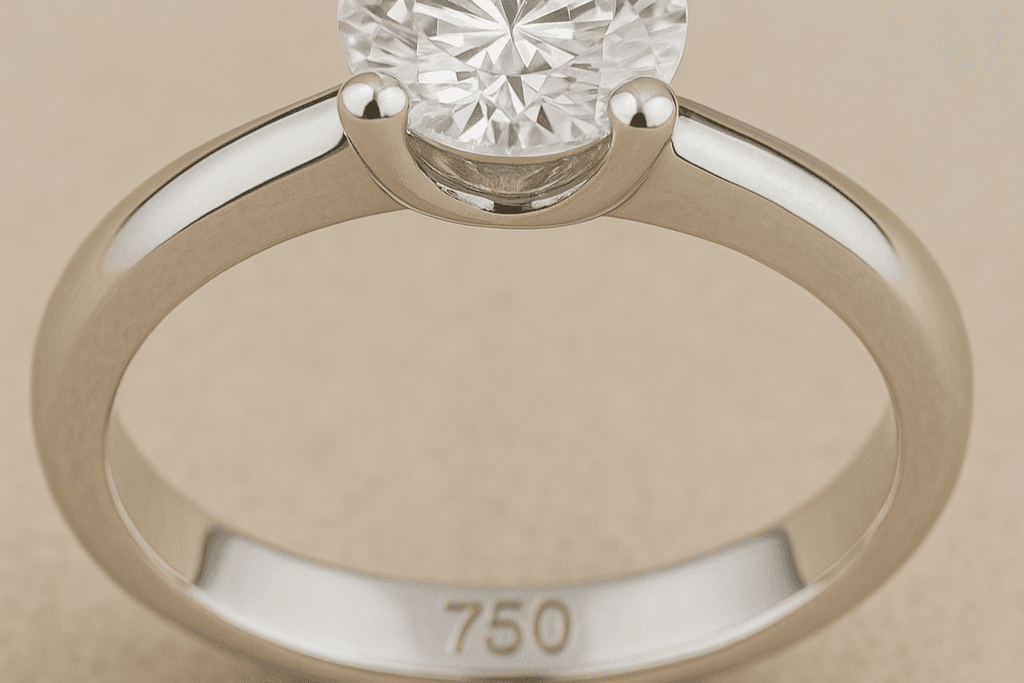
Every certified jewellery piece has a hallmark, which is found on the product itself. It is a small mark, usually visible on the inside part of the ring or clasp




Gold and other precious metals
Often gold is combined with silver or platinum to achieve unique properties or colours. Such combinations are called alloys of precious metals, and various types of alloys determine the purity, colour and durability of the product.
How to choose gold colour?
The colour of gold depends on the ratio of metals in the alloy. White gold looks modern, the colour of yellow gold is traditional and natural, often chosen by fans of classic jewellery, and rose gold, which contains copper and other metals, features an exceptional style and a warm hue.
Fineness and the price of the jewellery piece
Fineness affects the final price of the product – the higher the fineness, the more pure gold there is in the composition of the product, so the price of the product will be higher.
Gold and other precious metals
Often gold is combined with silver or platinum to achieve unique properties or colours. Such combinations are called alloys of precious metals, and various types of alloys determine the purity, colour and durability of the product.
How to choose gold colour?
The colour of gold depends on the ratio of metals in the alloy. White gold looks modern, the colour of yellow gold is traditional and natural, often chosen by fans of classic jewellery, and rose gold, which contains copper and other metals, features an exceptional style and a warm hue.
Fineness and the price of the jewellery piece
Fineness affects the final price of the product – the higher the fineness, the more pure gold there is in the composition of the product, so the price of the product will be higher.