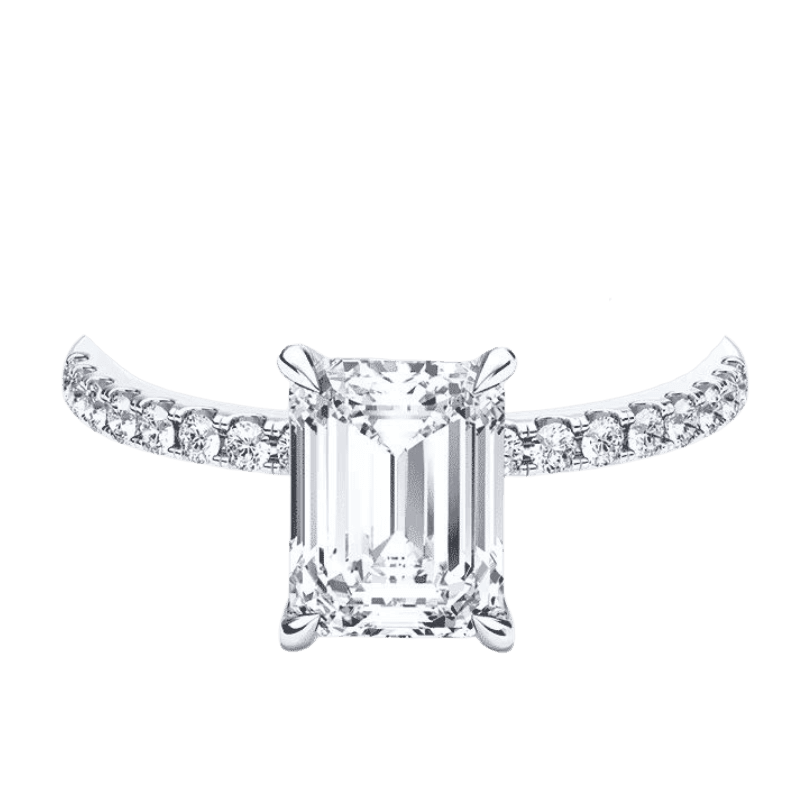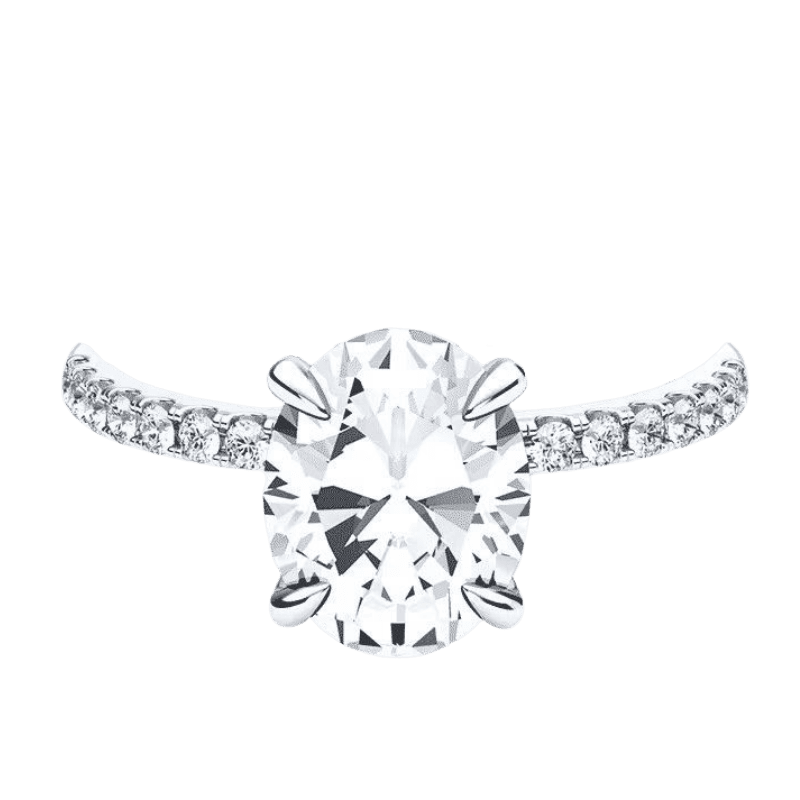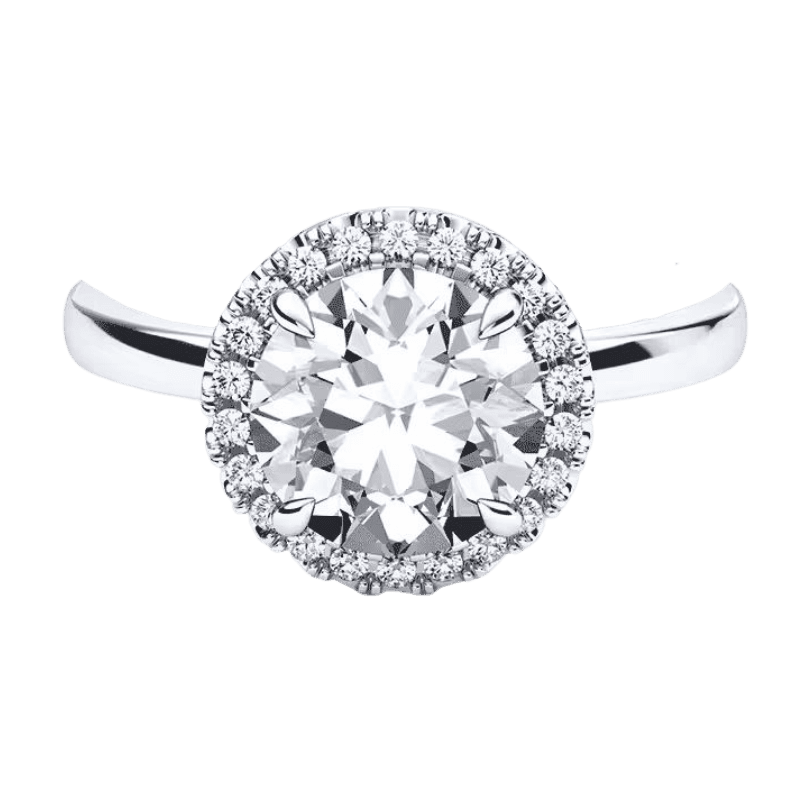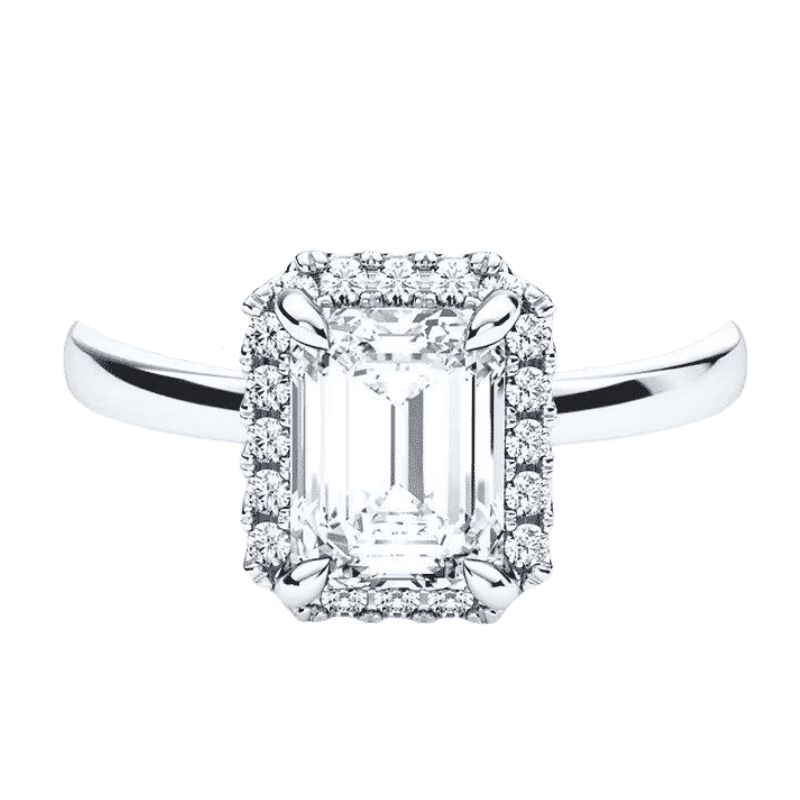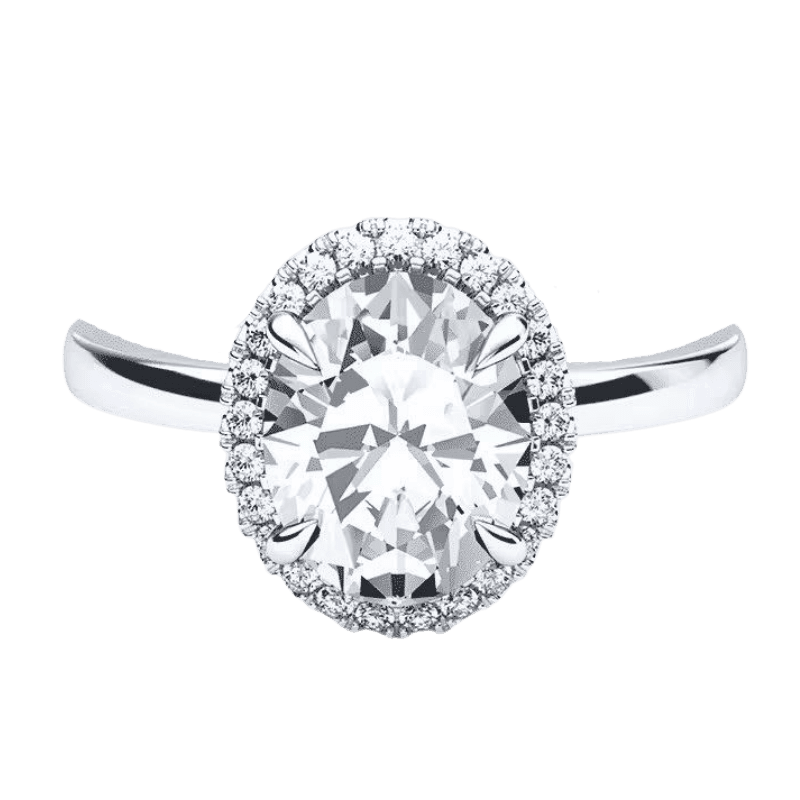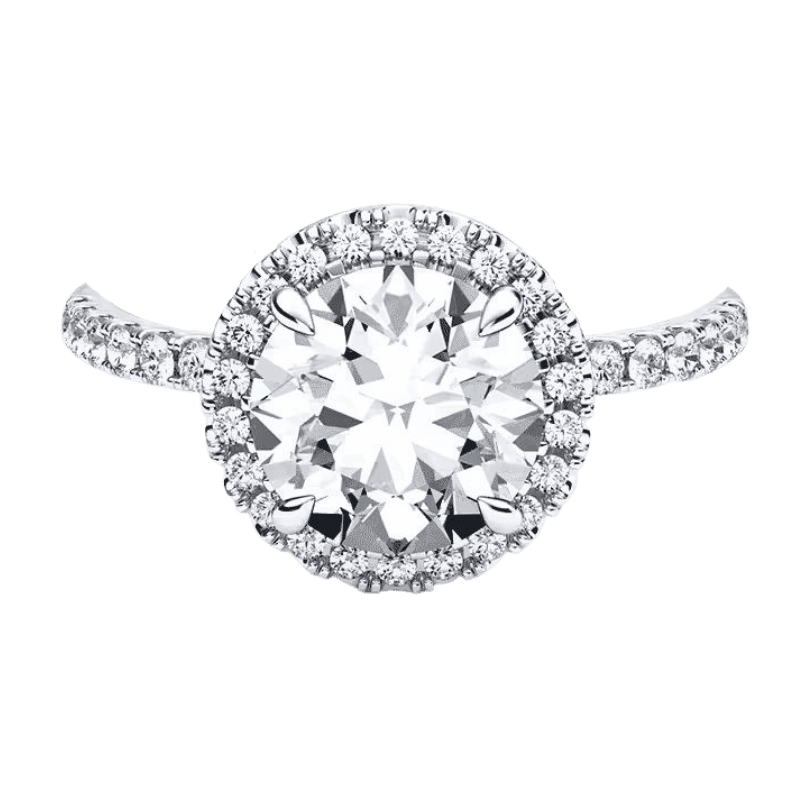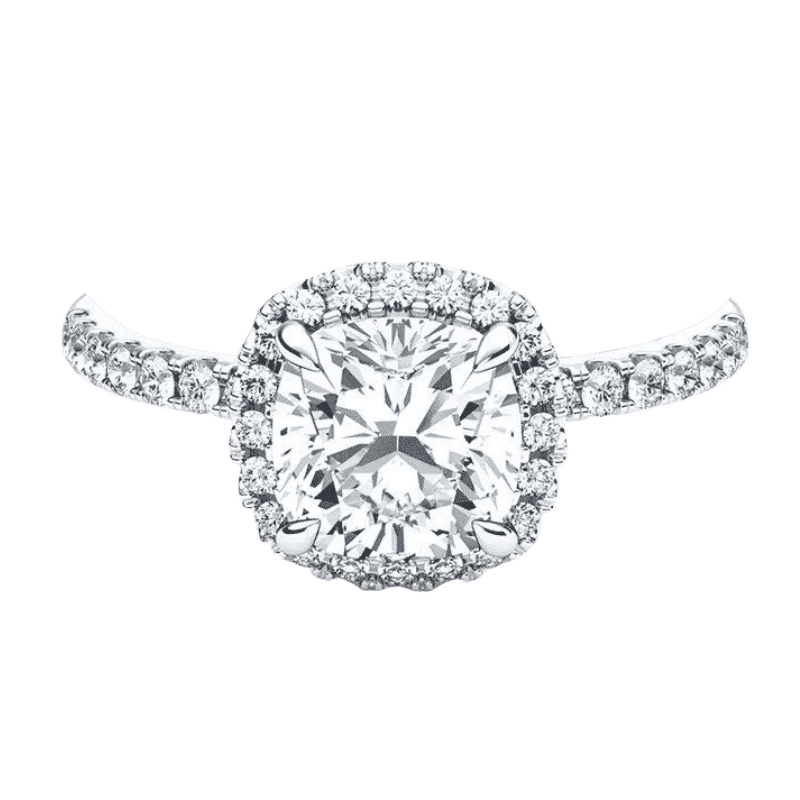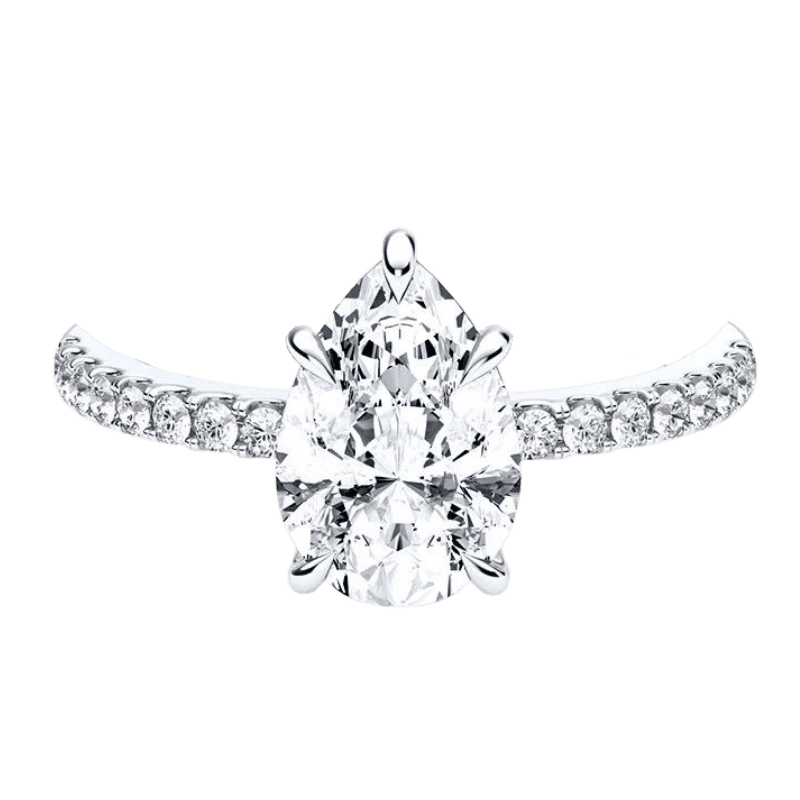
Diamond types: natural and lab-grown diamonds
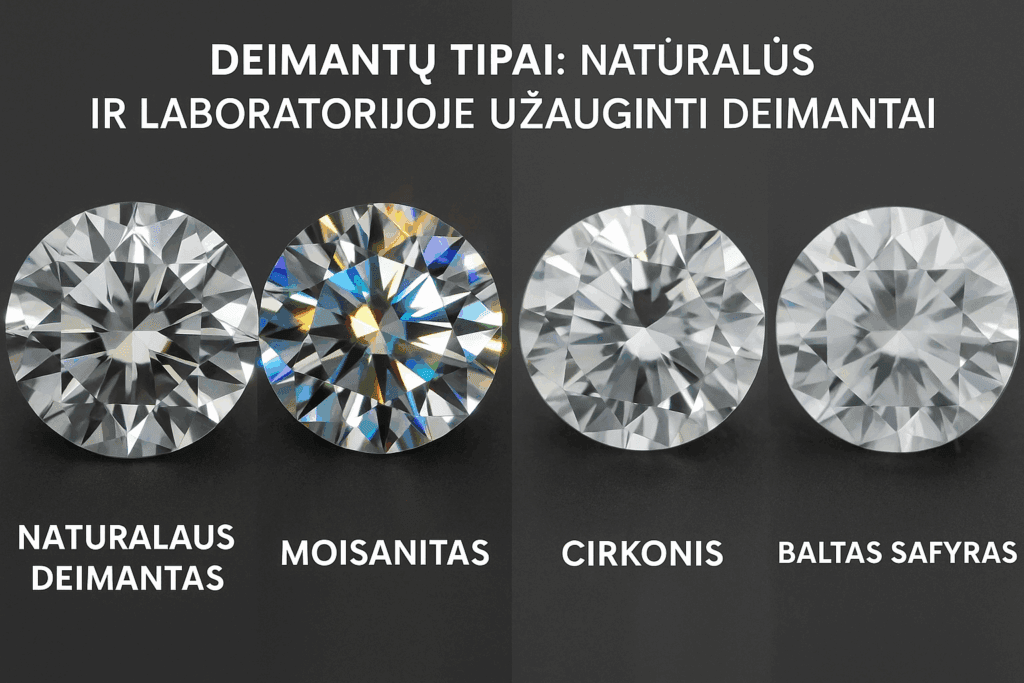
Diamonds are gemstones of eternal value that captivate not only with their beauty but also with their uniqueness. Their types can be very diverse – there are various types of diamonds, formed naturally or grown in a laboratory, but they are most often divided into natural diamonds, which form in nature over millions of years and are characterised by authenticity, and lab-grown diamonds (Eng. Lab Grown Diamonds). In this article, we will discuss these two main types of diamonds, their properties, how they differ, as well as compare them with synthetic diamonds and other natural minerals – stones. Stones are minerals of natural origin, which are classified according to their chemical composition, structure, and physical properties. They have great significance in jewellery and investments, as natural stones are often valued more than synthetic ones due to their uniqueness and authenticity. Among such stones are moissanites, zirconias, and white sapphires. When choosing a gemstone, it is important to pay attention to its quality and certificates. Natural diamonds differ from lab-grown or synthetic ones in their origin, formation process, and value.
1. What are natural diamonds?
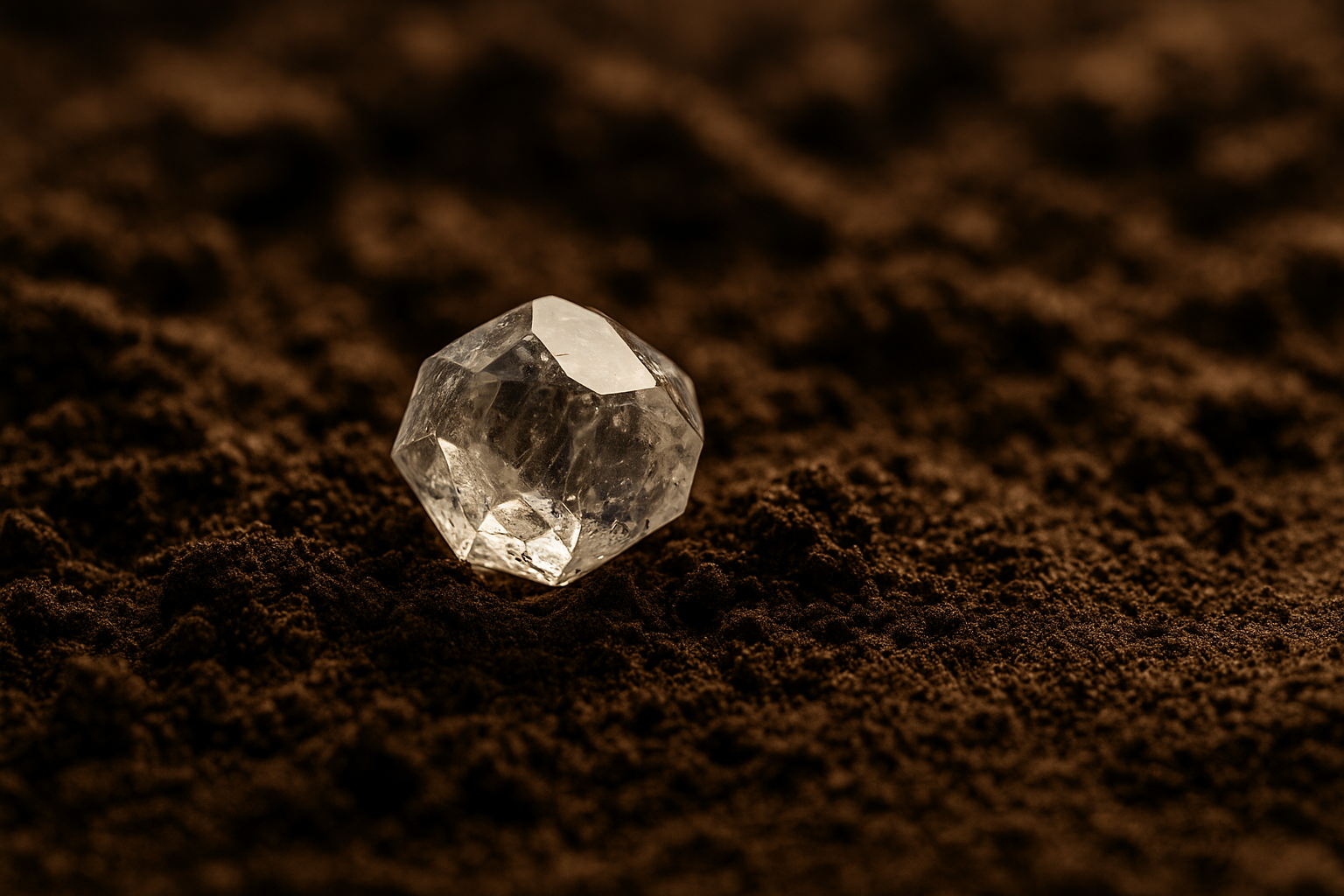
Natural diamonds are gemstones that form in nature over millions of years. Among the various naturally occurring diamond types and properties, different colours, shapes, and quality classes can be distinguished. Their formation takes place at extremely high temperature and pressure underground, and this is a process involving carbon atoms joining into a crystal structure. Such diamonds are characterised by exceptional beauty, clarity, and uniqueness, as every diamond is unique – natural diamonds have a unique character and are valued for their rarity.
2. What are lab-grown diamonds?
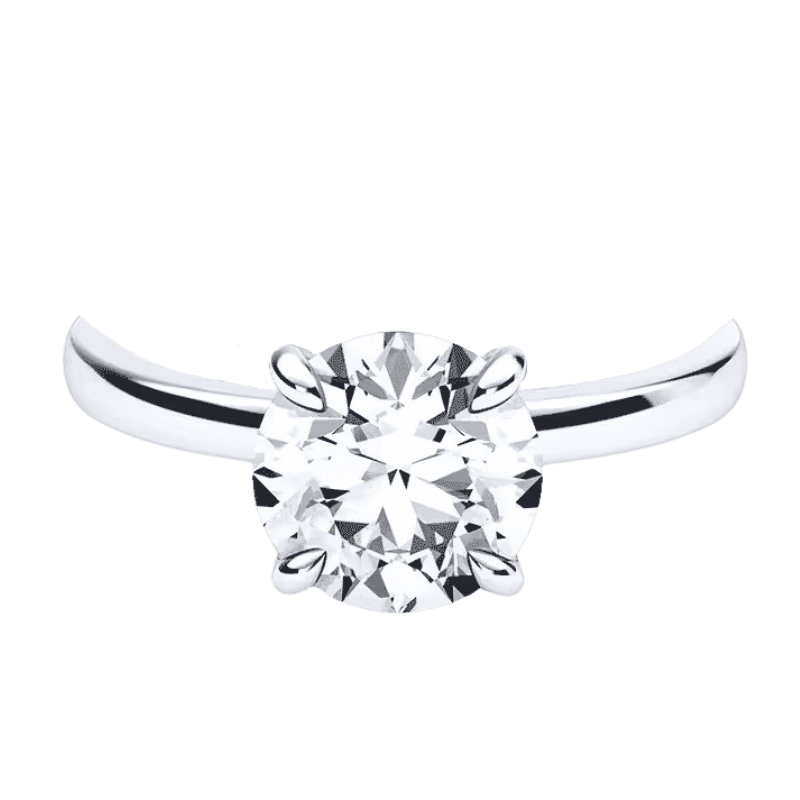
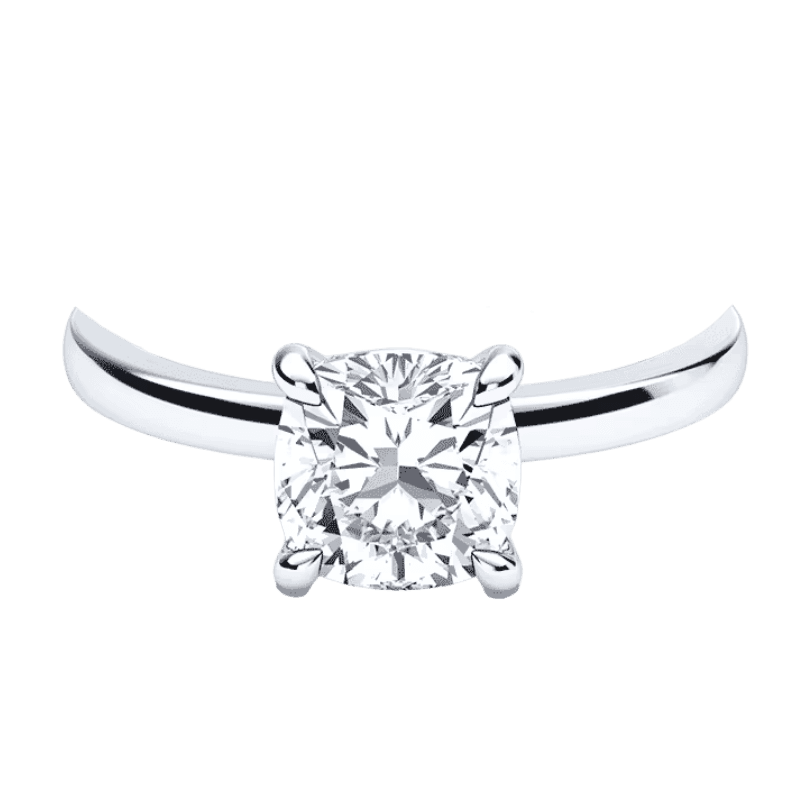
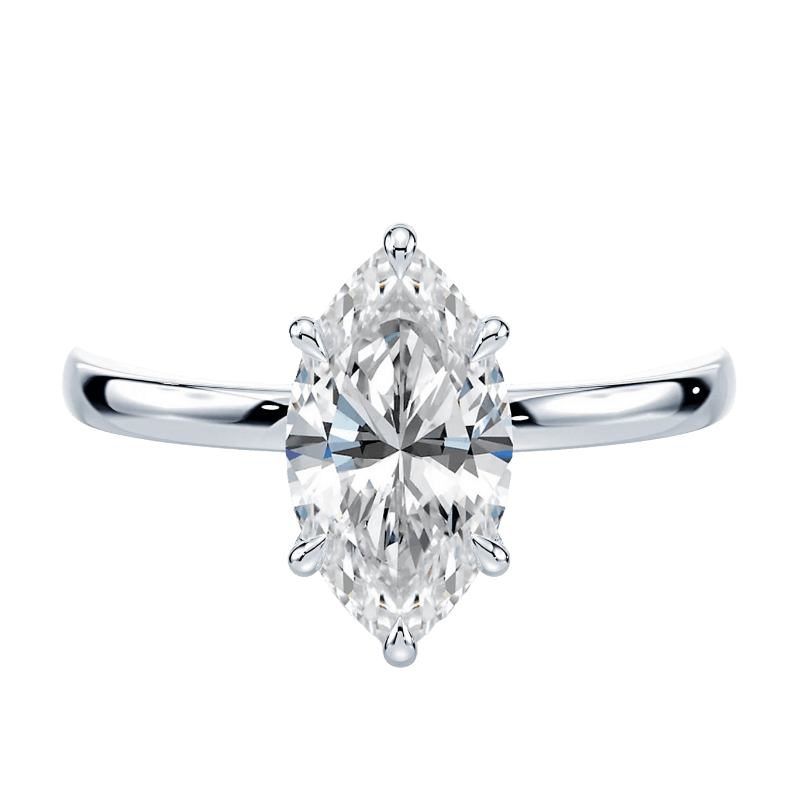
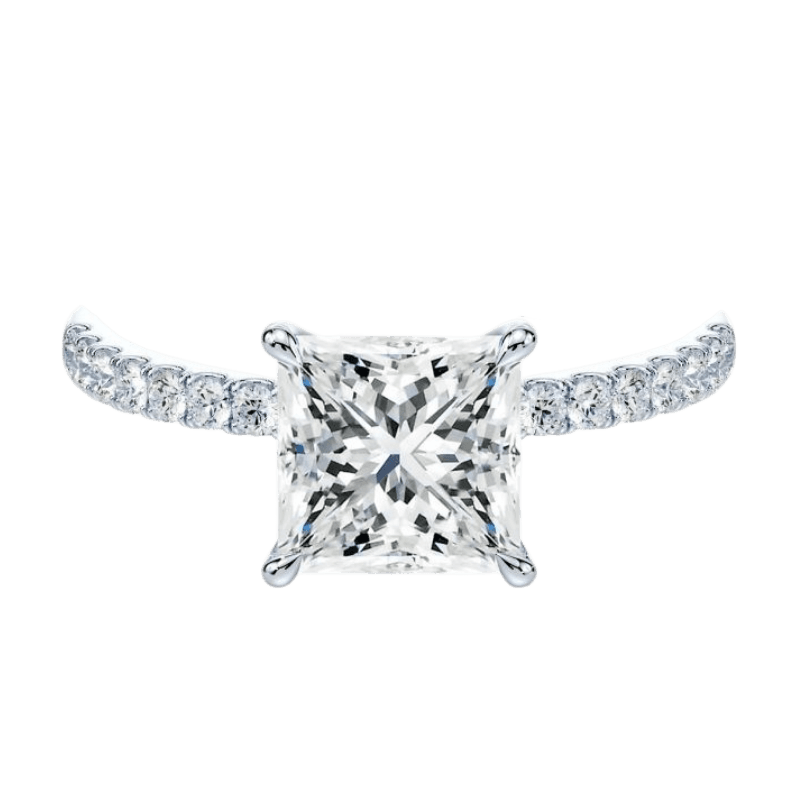
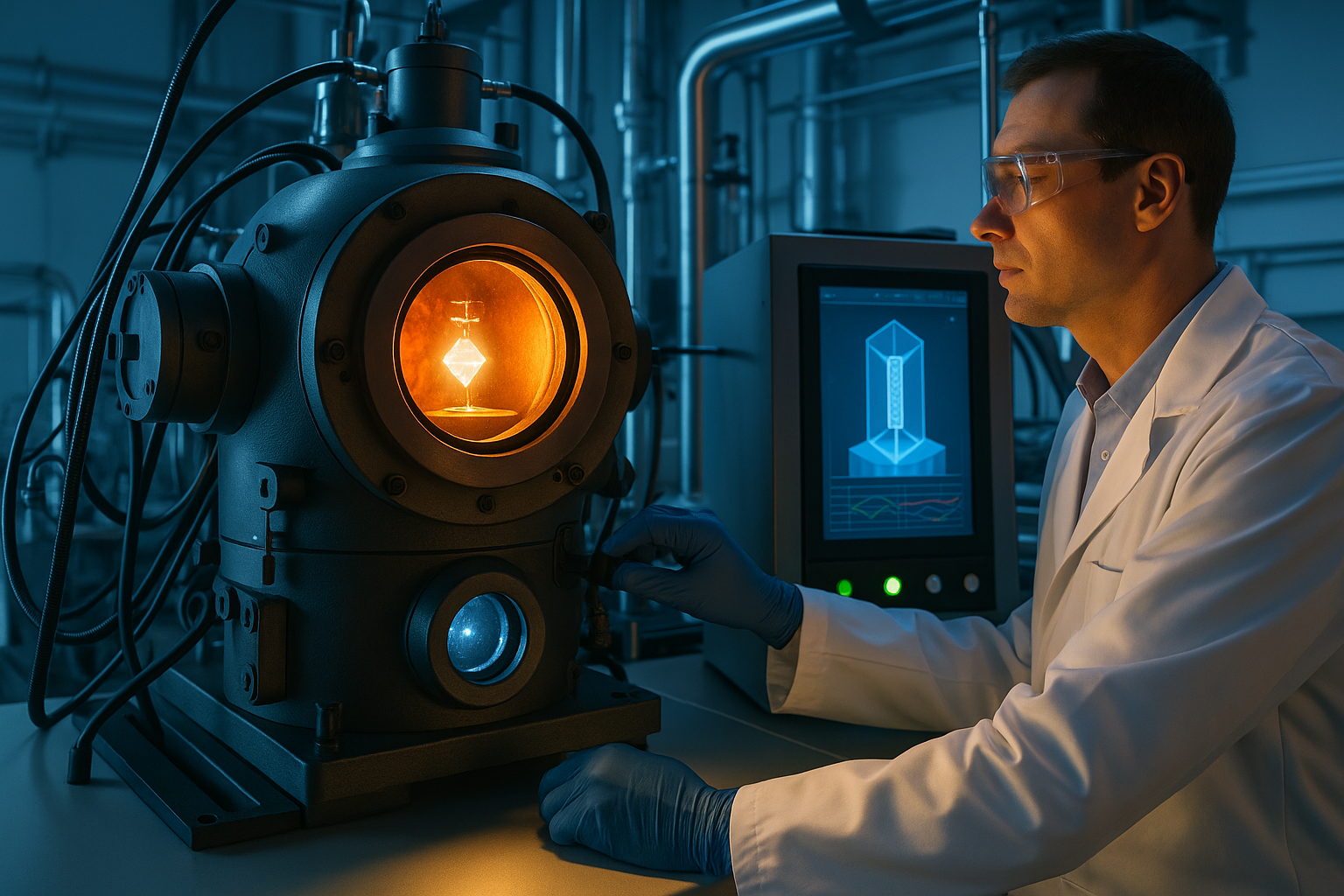
Lab-grown diamonds (also called created diamonds) are diamonds that were created under artificial conditions in a laboratory, using modern technologies. Such diamonds can be created by two main methods – CVD (Chemical Vapor Deposition) and HPHT (High Pressure High Temperature). Both of these methods allow the creation of diamonds that are equal to natural diamonds in chemical composition and structure. Unlike natural diamonds, the shape of lab-grown diamonds can be tailored to needs, so you can choose the desired gemstone shape, for example, round or princess cut, which affects the diamond’s aesthetic appeal and value.
3. The history of diamonds: from ancient times to the present day
The history of diamonds is incredibly rich and dates back thousands of years. Ancient civilisations such as India, China, and Rome already considered diamonds not only as jewellery pieces but also as magical, mystical stones to which special powers were attributed. In India, diamonds were considered divine stones and were often used as a medium of exchange or even as protective symbols. Due to their rarity and exceptional beauty, diamonds became highly valued, and their mining and trade were an important economic activity. Over the centuries, the value of diamonds only grew – they became an integral part of royal jewellery and gemstone collections. The uniqueness, hardness, and brilliance of diamonds have meant that diamonds have always been accompanied by exceptional attention and respect, and their history to this day remains associated with luxury, love, and exclusivity.
4. Diamond properties: what determines their uniqueness?
The diamond is one of the most valued gemstones in the world, and this is determined by its exceptional properties. First of all, diamonds are characterised by extreme hardness – it is the hardest natural mineral, reaching 10 points on the Mohs scale. Due to this property, diamonds are highly resistant to scratches and wear, making them perfectly suited for everyday worn jewellery. Moreover, diamonds can be of various colours – from completely colourless to subtle yellow, pink, blue, or even green shades. The colour depends on natural impurities present in the diamond crystal lattice, so every diamond is unique.
Another exceptional property of diamonds is their sparkling brilliance and light dispersion, called “fire”. Due to their special crystalline structure, diamonds are able to disperse light into a spectrum of various colours, so they shine and sparkle even in low light. The value and quality of diamonds are determined not only by colour or hardness but also by clarity, faceting, and carat weight. Every diamond is a natural miracle, the properties of which distinguish it from other gemstones and make it a symbol not only of beauty but also of longevity.
5. CVD and HPHT methods
CVD (Chemical Vapor Deposition)
The CVD method is a process where a diamond forms from carbon vapour, which is deposited on a flat surface, creating crystals. The CVD method allows creating very clean and clear diamonds because it reduces the amount of unwanted impurities. Furthermore, CVD diamonds often have a lower carat weight, but their quality remains high.
HPHT (High Pressure High Temperature)
The HPHT method mimics the natural diamond formation environment, where high pressure and high temperature are used for carbon crystals to form. The HPHT method allows creating diamonds with natural colours and is often used to change the colours of diamonds. Such diamonds can be smaller than natural diamonds, but their price can be significantly lower.
4. Natural and lab-grown diamonds: what are the main differences?
Natural diamonds and lab-grown diamonds differ only in their place of origin. Although both gemstones are almost identical in their chemical composition, natural diamonds can have more natural cracks and defects, while lab-grown diamonds are usually very clean. Certificates, like GIA and IGI, often confirm that the diamonds were created in a laboratory so that buyers can easily distinguish these gemstones from natural ones. Only diamonds sold with an official certificate guarantee their authenticity and quality.
5. How to identify natural and lab-grown diamonds?
Although diamonds may look identical, their origin – natural or lab-grown – often remains a mystery even to experienced eyes. Natural diamonds form in nature over millions of years, while lab-grown diamonds are manufactured using the most advanced technologies, recreating the natural diamond’s formation process. Both types of diamonds have the same chemical, physical, and optical properties, so visually they do not differ.
However, distinguishing diamonds requires special knowledge and equipment. Only a professional gemologist, using a microscope or other instruments, can detect subtle differences, for example, the nature of inclusions or growth lines that are characteristic only of lab-grown diamonds. It is important to know that a diamond certificate, issued by global institutes such as GIA (Gemological Institute of America), IGI, or others, is the most reliable way to determine the diamond’s origin and value. Certified diamonds ensure transparency and allow the buyer to be certain that the purchased gemstone meets all quality and authenticity requirements. If there are doubts about the diamond’s origin, it is always worth consulting specialists who will help determine whether the diamond is natural or lab-grown.
6. Synthetic diamonds and their differences
Synthetic diamonds are diamonds that were created under artificial conditions, but their chemical composition can differ from natural diamonds. They can be manufactured using both CVD and HPHT technologies, but some synthetic diamonds may not reach the quality of natural diamonds and lack natural diamond properties, such as high clarity and colour saturation, and hardness. It is important to mention that synthetic diamonds can also be certified to ensure their quality and authenticity.
7. Moissanites: an alternative to diamonds
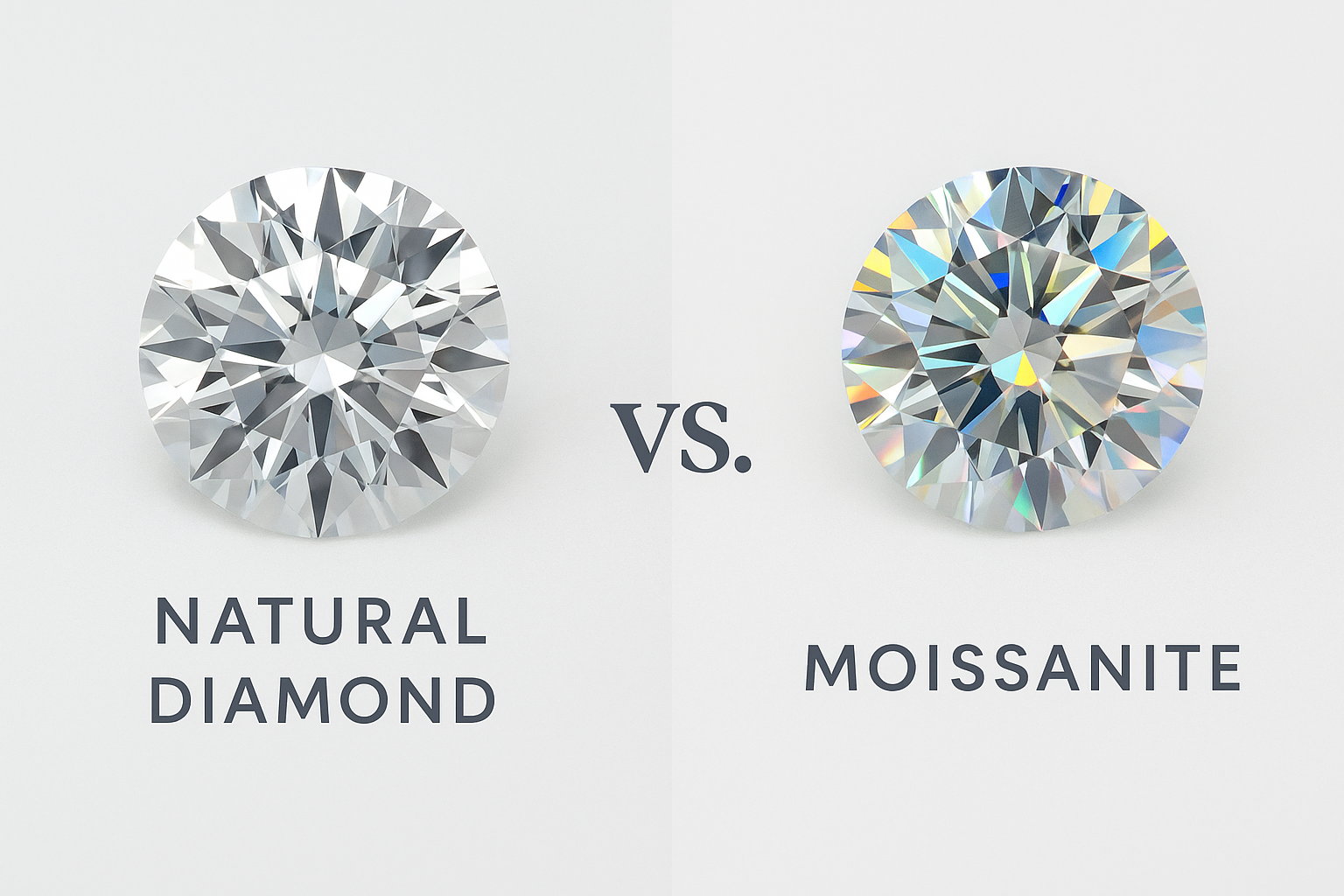
Moissanites are gemstones whose chemical composition and appearance are very similar to diamonds, but they are much less hard and often differ from diamonds in their structure. Moissanites are often used as an alternative to diamonds, but unlike diamonds, they do not have the same resistance and longevity properties. Moissanites are characterised by a unique brilliance, but their value is not as high as that of natural diamonds. Moissanites are often chosen to create an exceptional jewellery piece at a more affordable price.
8. Zirconias and their differences from diamonds
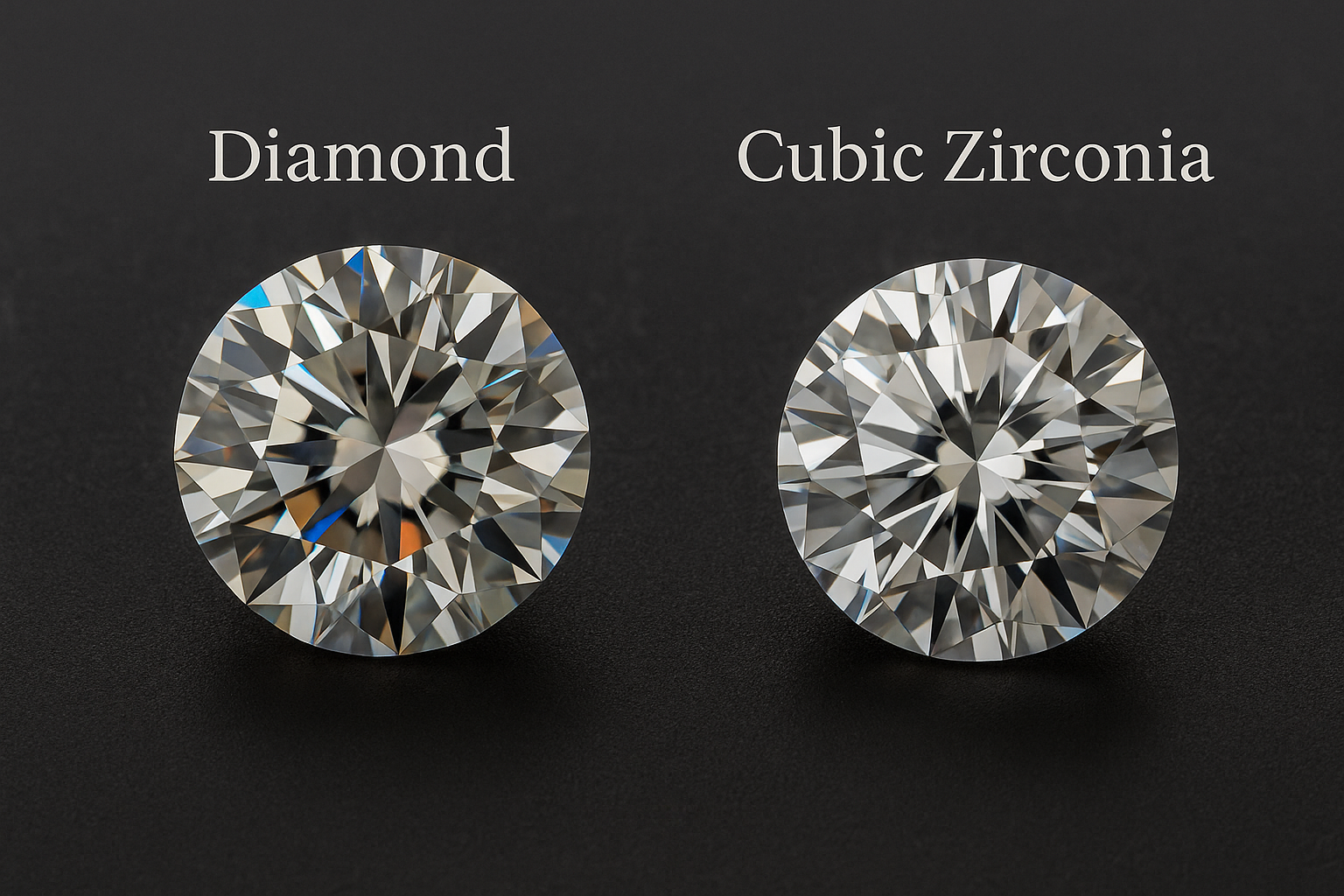
Zirconias are gemstones that are often confused with diamonds due to their brilliance and clarity. However, the properties of the zirconia stone differ from a diamond – the hardness of zirconia is significantly lower than that of a diamond, so they are not as resistant to scratches and wear. In addition, zirconias have a different colour spectrum, which can be broader, but their light reflection is not as bright as that of a real diamond.
9. White sapphires: competitors to diamonds
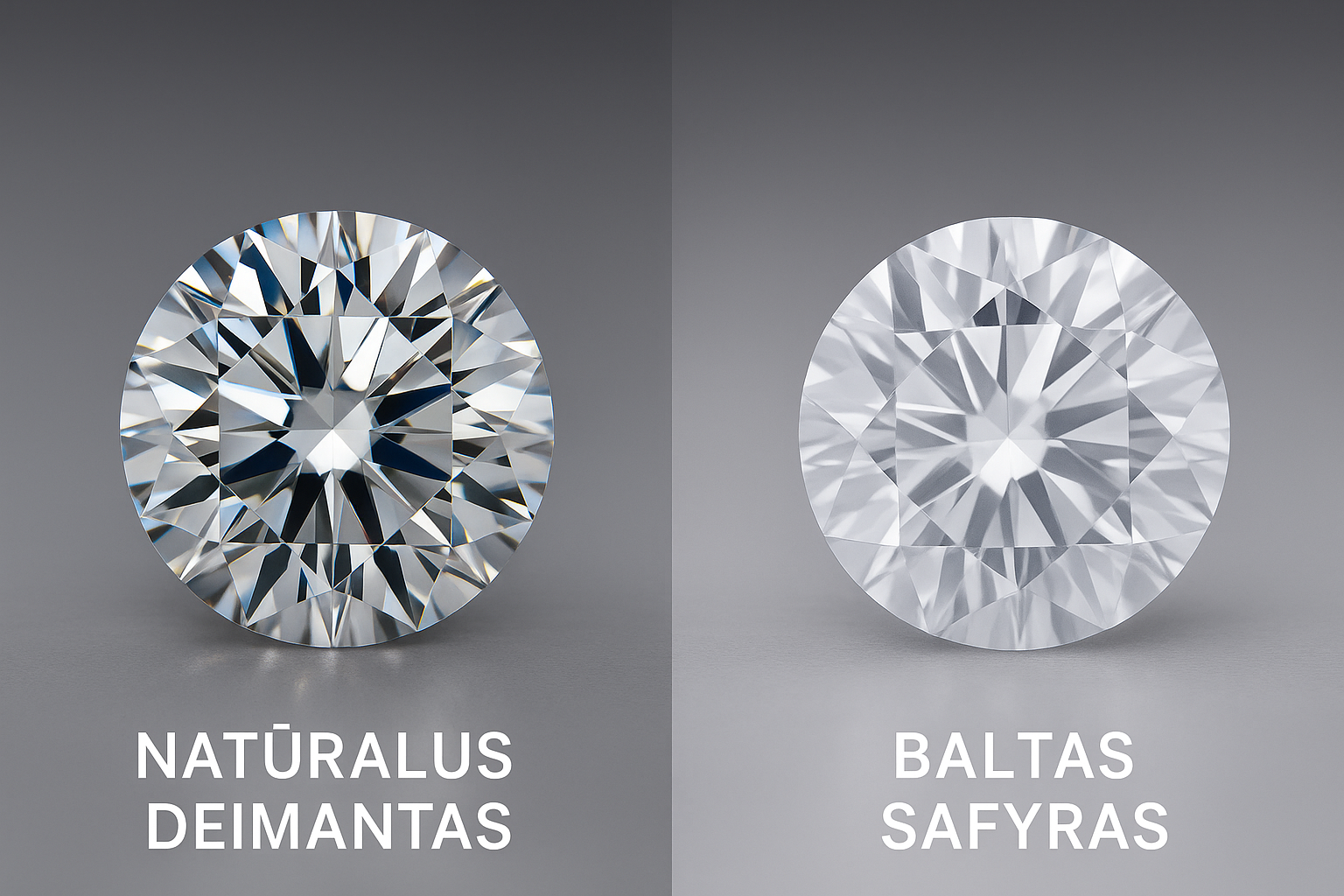
White sapphires are another alternative to diamonds, which are characterised by similar beauty, but differ in their structure and hardness. White sapphires are highly valued in the jewellery world, but they do not have the same brilliance as diamonds. For this reason, many people choose diamonds instead of white sapphires, especially when it comes to investments and longevity. When choosing a gemstone type, it is important to evaluate the properties of both the diamond and the sapphire.
10. The use of diamonds: from jewellery to industry
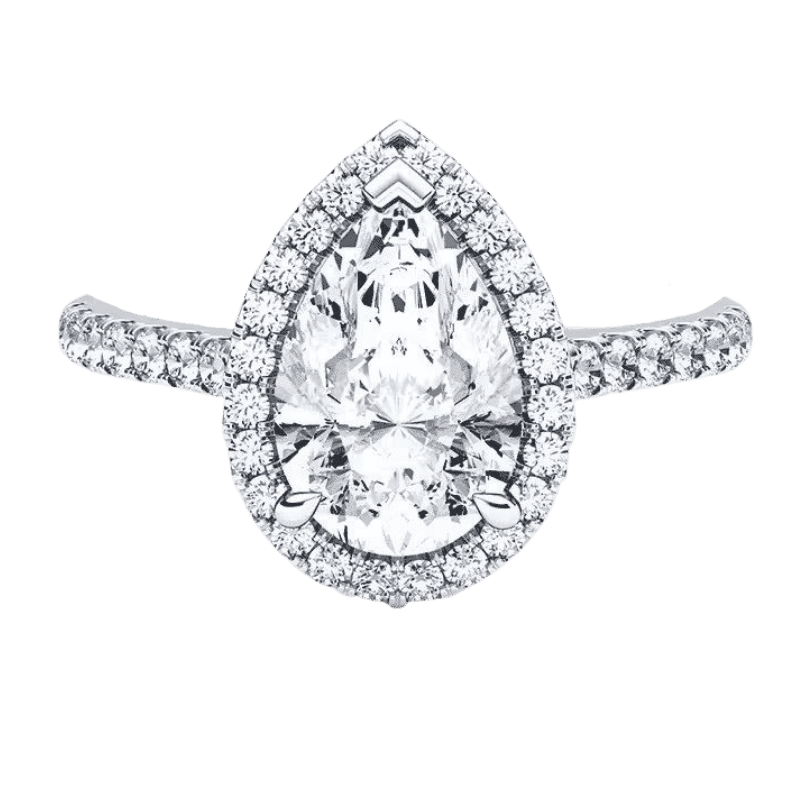
Diamonds are one of the most universal gemstones, the use of which covers both luxury jewellery and advanced industrial sectors. In the jewellery world, diamonds are an integral part of rings, earrings, pendants, and other accessories – they add exceptional beauty and value to every jewellery piece. Diamond earrings stand out with elegance and are one of the most popular choices for special occasions, offering a wide selection of designs and gemstones. Rings, especially with lab-grown or natural diamonds, symbolise love and commitment, therefore they are often chosen for engagements or weddings. Pendants allow creating personalised and meaningful jewellery pieces because they can be combined with various chains and decorative elements.
A very important property of diamonds is their colour (colour) – from completely colourless to rarer coloured shades, which significantly affect the value and appeal of earrings, rings, and pendants.
Due to their exceptional hardness, diamonds are irreplaceable in industry too: they are used in cutting, grinding, and drilling tools, where extreme resistance is required. Furthermore, diamonds are valued as an investment – their rarity and residual value allow them to be considered a reliable asset. Diamonds are gemstones whose value is determined by colours, clarity, and other properties, making them attractive to both collectors and investors. For these reasons, diamonds are a symbol not only of beauty but also of practicality, which remains relevant in various areas of life.
11. Quality standards: certificates and classification
Diamonds must be certified according to their colour (colour), clarity (clarity), carat weight (carat), and cut (cut) – all these indicators are important for determining quality. GIA (Gemological Institute of America) and IGI (International Gemological Institute) are the most well-known certification institutes that evaluate diamonds according to these criteria. Diamond certificates ensure that the gemstones meet the highest quality standards. In Lithuania, diamond certification is also carried out by the Lithuanian Assay Office, ensuring the legal basis for selling stones.
12. Investment in diamonds
Diamonds are often considered an investment because they maintain or increase in value over time. Before purchasing a diamond, it is important to decide how much funds are worth allocating to an investment in diamonds.
Natural diamonds are often considered more valuable because their supply is limited and they form over millions of years. High-quality diamonds are considered a reliable investment due to their longevity and residual value. Lab-grown diamonds, although they can offer similar beauty, do not create as high a value as natural diamonds due to their production process.
When choosing a diamond for investment, it is worth considering individual needs and investment goals so that the choice meets personal expectations.
13. Brilliant-cut diamonds: diamonds with a special cut
A brilliant-cut diamond is an exceptional diamond cut that creates maximum brilliance and light reflection, standing out with the variety of brilliant-cut diamonds and their properties. Although all brilliant-cut diamonds are diamonds, not all diamonds have to be brilliant-cut diamonds. This depends on the shape of the diamond cut and the number of facets, and brilliant-cut diamonds can be considered a perfect choice for those seeking maximum sparkle.
14. How to choose a diamond according to your budget?
When choosing diamonds according to your budget, it is important to know how to choose the most suitable diamond according to your needs, considering the diamond’s carat weight, colour, clarity, and cut. Lab-grown diamonds can be a good choice for those who want to purchase a diamond with high-quality properties at a more attractive price. Diamonds are not only a valuable investment but also a perfect gift for special occasions, such as engagements or weddings. They symbolise the strength and eternity of love, therefore they are a meaningful choice to express feelings. Discover various diamond selections and find the one that best meets your expectations.
Price difference between natural and lab-grown diamonds
The prices of natural and lab-grown diamonds differ quite significantly, although their appearance, chemical composition, and physical properties are almost identical. Natural diamonds have formed over millions of years deep in the Earth, so their extraction process is complex, expensive, and resource-intensive. Because of this, the prices of natural diamonds are usually significantly higher than those of lab-grown ones. Meanwhile, lab-grown diamonds are created over a few weeks under controlled conditions, so their production is cheaper and more sustainable. Lab-grown diamonds usually cost about 70% less than natural diamonds of the same size, colour, and clarity. However, the value of natural diamonds remains more stable in the long term, so they are more often chosen as an investment. Meanwhile, lab-grown diamonds are usually valued for their affordability and friendlier environmental impact.