Diamond quality: what you must know when choosing a gemstone
Diamonds are not only a symbol of brilliance but also one of the most precisely evaluated gemstones in the world. Diamonds are among the most valuable gemstones (gemstones), and a gemstone can be of various types, including sapphires, rubies, and emeralds. Every diamond is unique, and its quality, value, and brilliance are determined by numerous properties. Experts evaluate the quality of not only diamonds but also other stones, considering their origin, shape, and properties. Traditionally, the 4C rule is used – carat, colour, clarity, cut, but modern diamond evaluation standards have expanded this system. In this article, we will comprehensively review all the main and additional diamond characteristics that specialists evaluate before purchasing a brilliant-cut diamond or a diamond. Diamonds form deep within the earth over millions of years, which is why their origin and naturalness are important quality indicators.
What is a diamond? A brief description and main properties
A diamond is a gemstone that stands out with its properties among other gemstones. It is one of the most famous and valuable gemstones in the world, renowned for its exceptional brilliance, durability, and rarity. Every diamond is completely unique, and its value and beauty are determined by numerous properties that are often not visible to the naked eye. The most important diamond evaluation criteria are the so-called 4C system: weight (carats), colour, clarity (clearness), and cut. These indicators define how valuable a diamond is, how it reflects light, and what impression it leaves when viewed both with the naked eye and under 10x magnification.
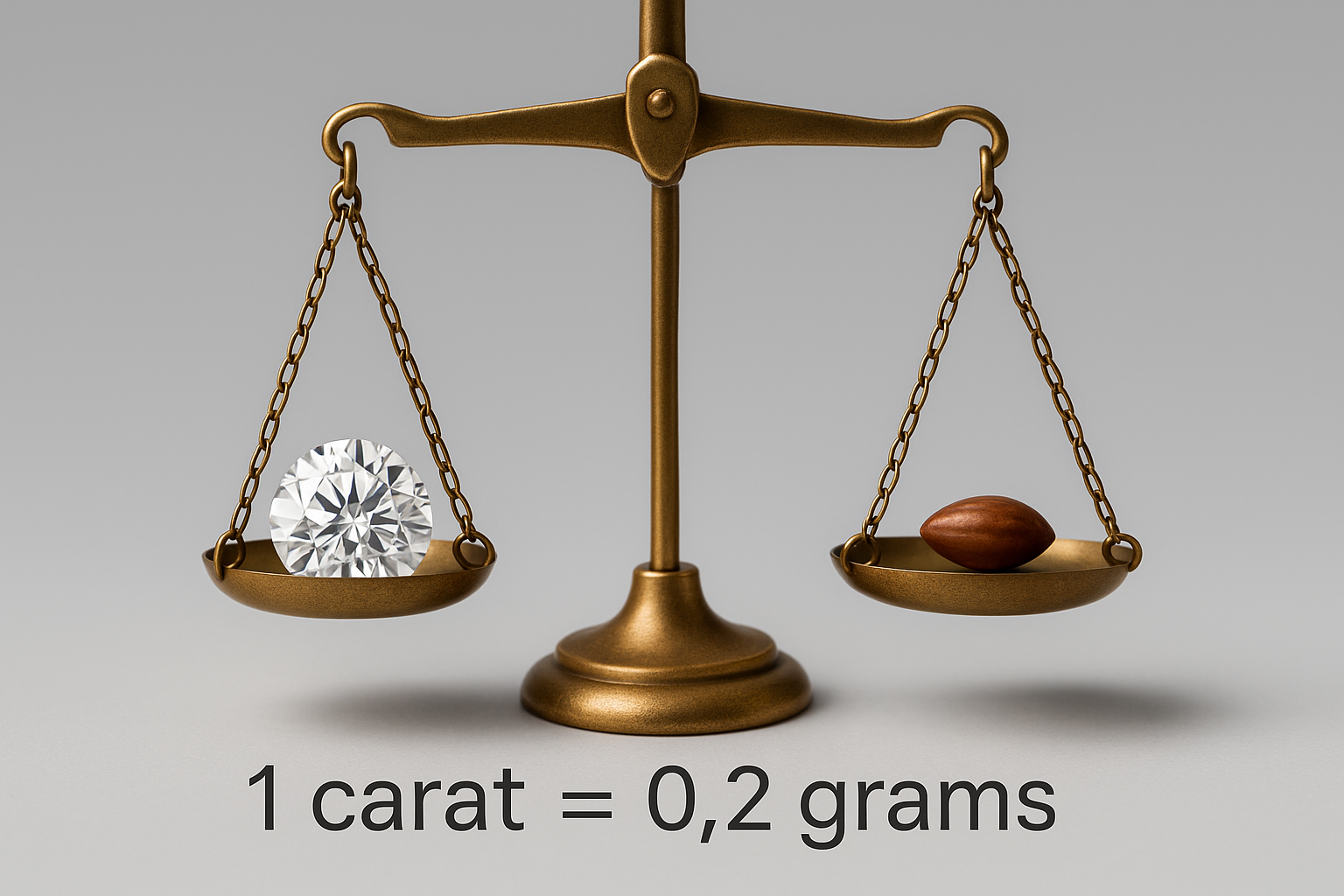
Diamond weight is measured in carats – 1 carat equals 0.2 grams, and the exact weight often determines the price. Diamond colour refers to the absence of yellowish or other tints; top-tier diamonds feature white or completely colourless shades (D, E, F scale), the more transparent and colourless a diamond is, the higher its value. Clarity indicates how many natural inclusions or fractures a diamond has – most of them are not visible to the naked eye, but they can affect the value of the gemstone. Cut refers to the way a diamond is cut and polished, and it is exactly what determines how effectively a brilliant-cut diamond reflects light and shines. It is also worth emphasising that natural diamonds are valued for their authenticity and origin.
It is important to understand that there is no single factor that unequivocally determines a diamond’s value – only the combination of all these properties allows evaluating how exceptional a diamond is. Diamonds are very rare, which is why their value remains high worldwide. The time spent familiarising yourself with diamond quality indicators and evaluation principles helps make the right decision when choosing the most expensive gemstone, which will delight you not only with its beauty but will also retain its value for many years.
Carats: diamond weight and its significance
One of the most important indicators is diamond weight, measured in carats (carat). A diamond’s weight consists of carat units, and the carat is the main unit of weight measurement for diamonds. One carat equals 0.2 grams. The higher the number of carats, the heavier the diamond is – this often means a higher price as well. Nevertheless, it is important to understand that two diamonds of equal weight can differ greatly in value – due to other quality aspects, such as clarity (clarity and clearness), which is one of the main factors determining a diamond’s quality. Also, different diamond shapes (shapes) can determine how a diamond visually appears, even if their carat weight is identical.
Diamond size – not just carats
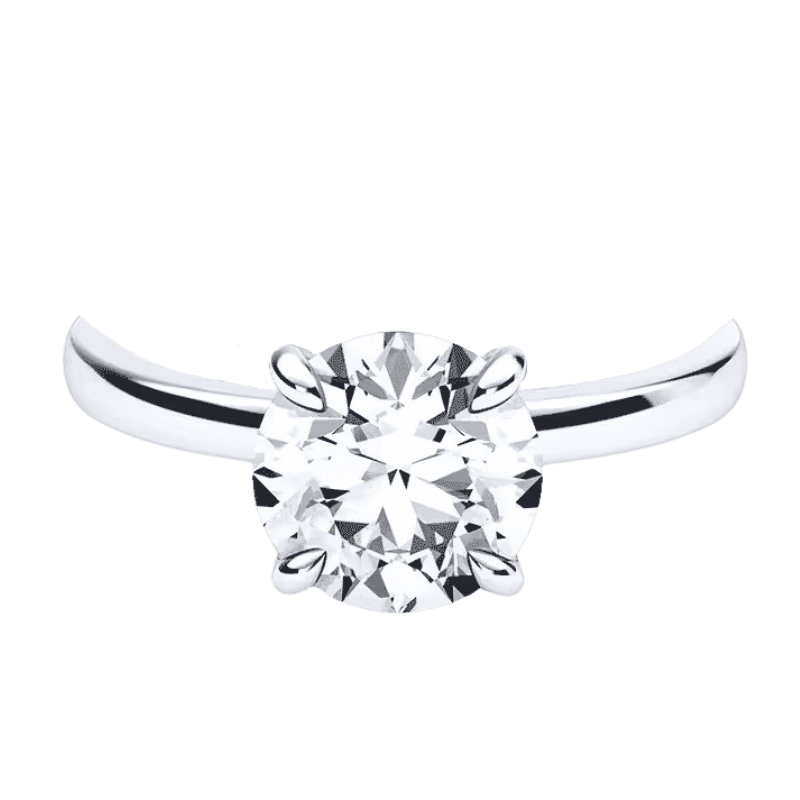
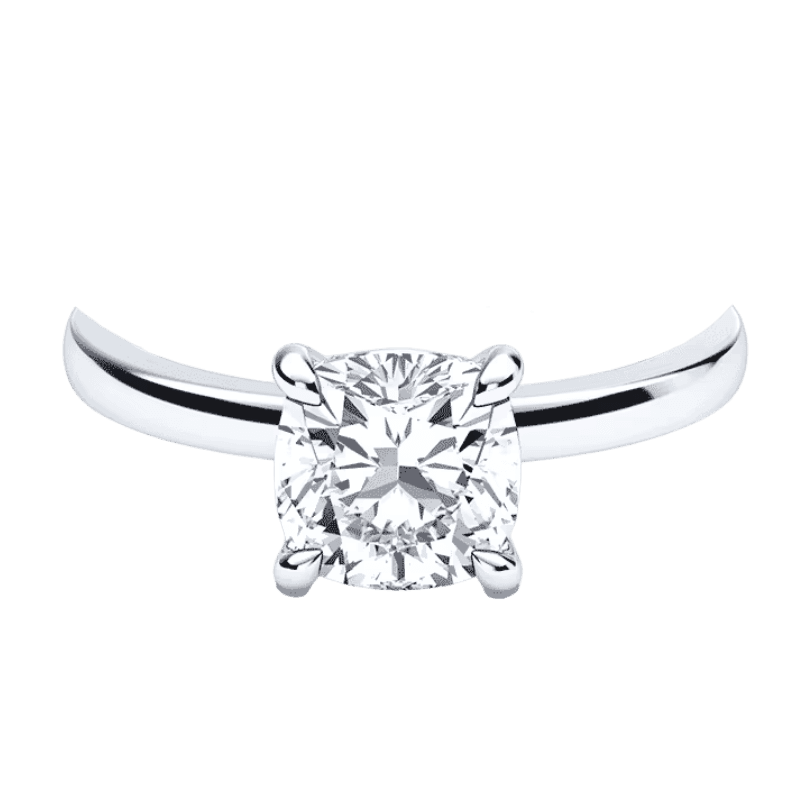
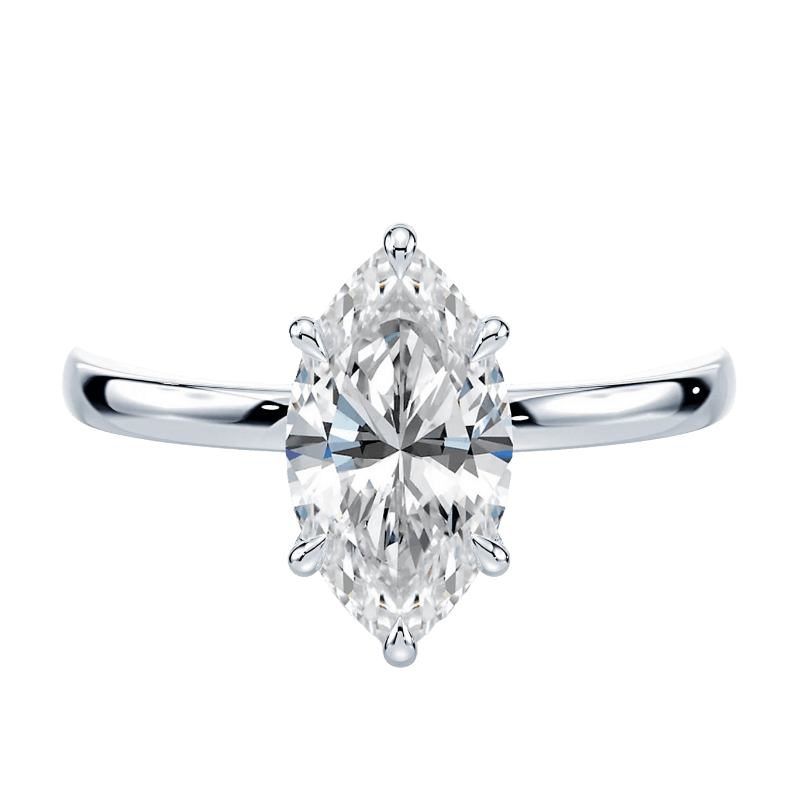
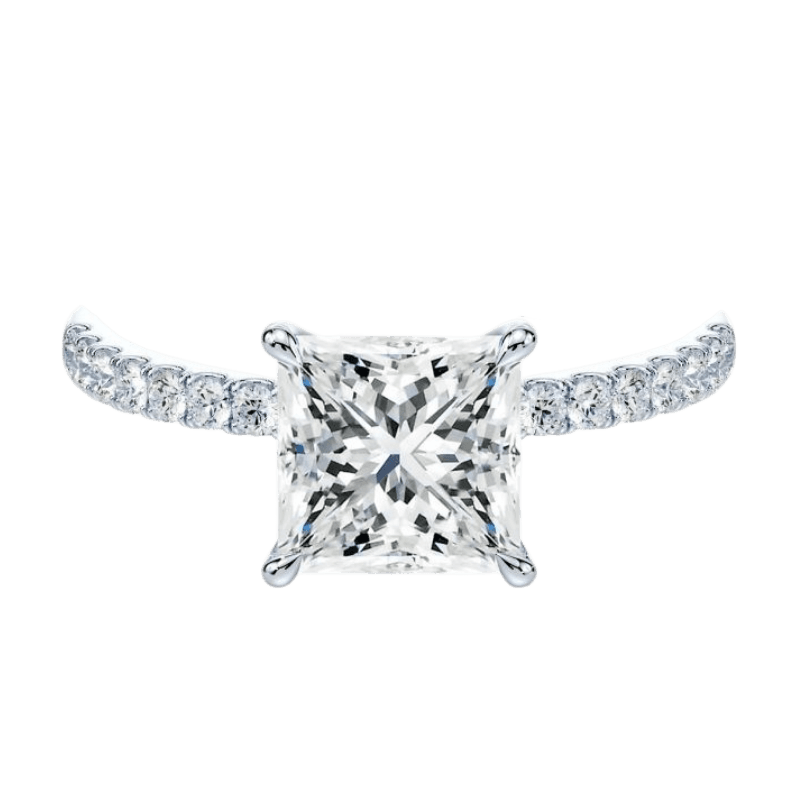
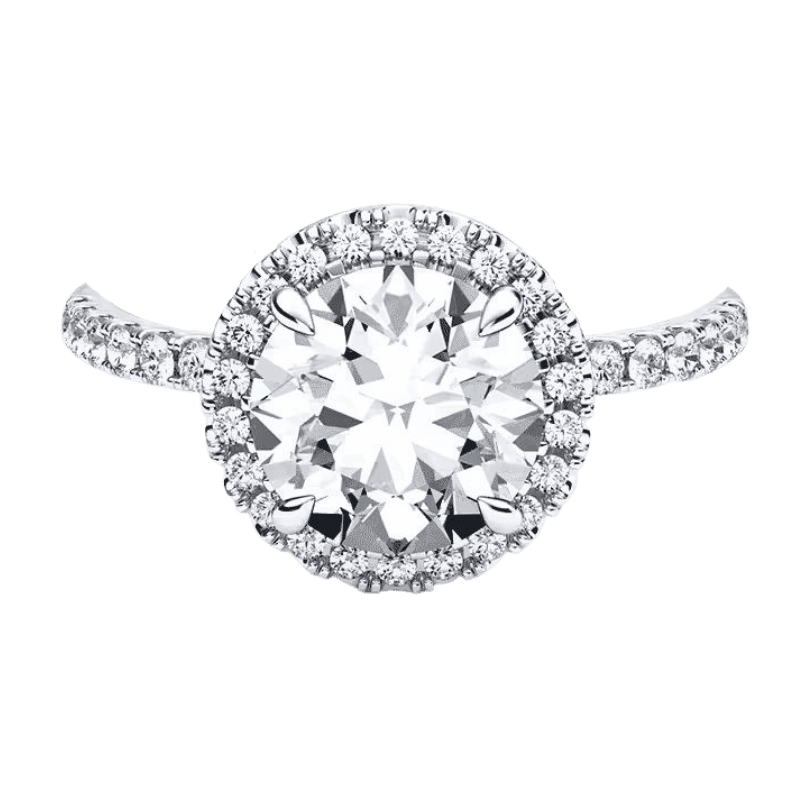
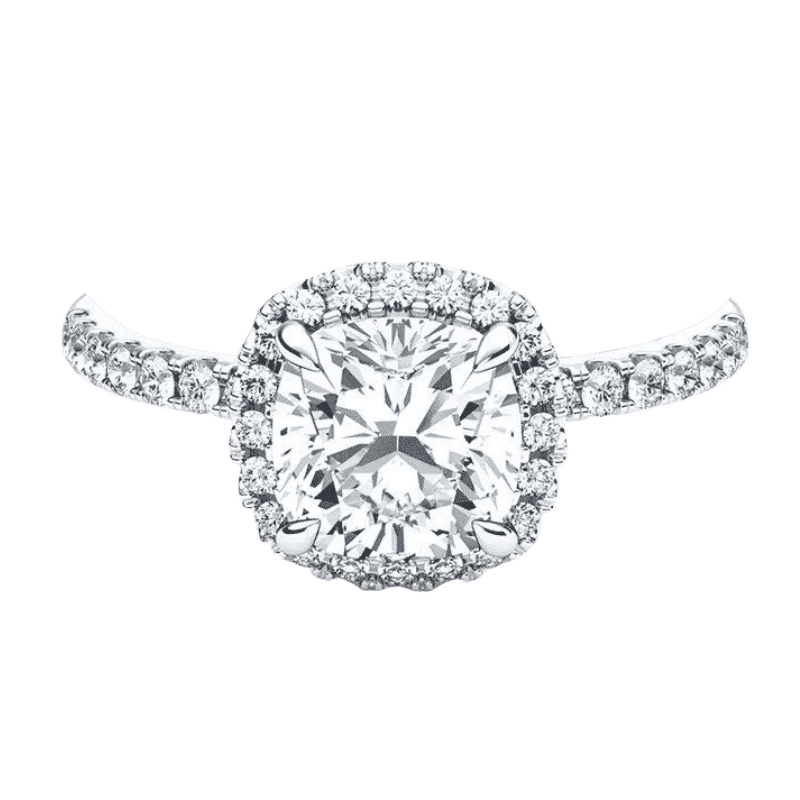
Many buyers think that weight and size are the same, but this is not the case. Diamond size depends not only on carats but also on the cut style. Also, the variety of diamond shapes (e.g., Round, Princess, Oval, etc.) affects how their size and brilliance are perceived. Some diamonds appear larger than they actually are due to their proportions and height. A well-cut 1.00 ct brilliant-cut diamond can look larger than a poorly cut 1.20 ct one.
Diamond colour: the fewer tints, the better
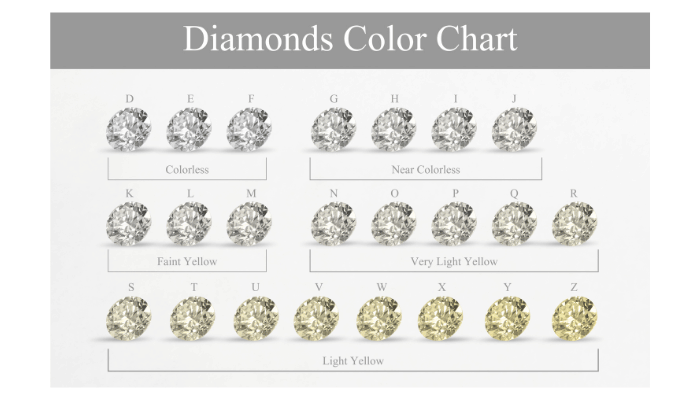
Diamond colour is graded on a scale from D (completely colourless) to Z (light yellow or brown). Brilliant-cut diamonds are valued more when the colour is less visible. High-class diamonds – D, E, or F – appear completely transparent. Meanwhile, yellow or brownish tints reduce the gemstone’s value, except when it is a “fancy colour” diamond.
Colour tints (shade) – subtle but important
Even if a diamond formally belongs to a single colour category, it can have a certain shade – a barely noticeable yellow, brown, or even greenish tint. Although shades are often invisible to the naked eye, they influence the overall impression of the brilliant-cut diamond and the quality of its brilliance.
Clarity and clearness: inclusions under a microscope and to the naked eye
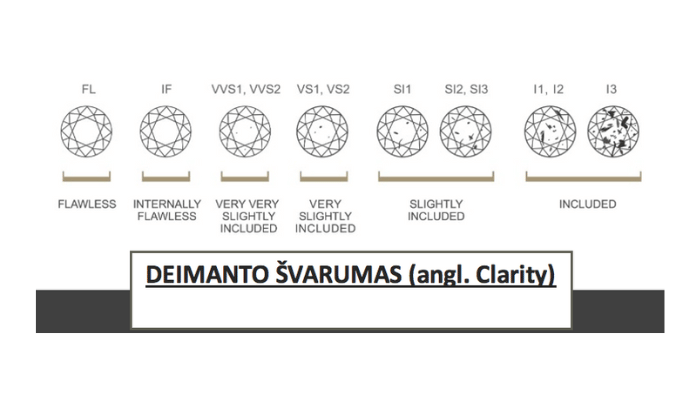
Diamond clarity is evaluated based on the presence of inclusions (inclusions) and external blemishes. Almost all diamonds have tiny inclusions or fractures, which are mostly not visible to the naked eye. These nearly invisible inclusions are important when evaluating diamond quality and value. Often, high-quality diamonds have very, very small inclusions that are only visible under magnification, while lower-quality stones may have inclusions that are noticeable to the naked eye and determine the diamond’s quality and value. Diamond characteristics in this respect are divided into grades: FL (Flawless), IF, VVS1, VVS2, VS1, VS2, SI1, SI2, I1–I3. The fewer inclusions, the better the clarity and brilliance. Inclusions can be visible to the naked eye or only under 10x magnification – this is an important distinction when purchasing.
“Visible to the naked eye” flaws – what to avoid
Inclusions that are visible to the naked eye, especially in the SI2 or lower grade, reduce the aesthetic appearance of the brilliant-cut diamond. Professionals recommend choosing VS1–VS2, VVS1, or VVS2 if a visually clean gemstone is desired.
“Milky” diamonds – when clarity does not ensure brilliance
Some diamonds, even though they have a high clarity level, appear dull or “milky”. This is called the “milky” effect, which can be caused by microscopic impurities or crystalline structure features. Such a diamond loses some of its brilliance, even if inclusions are invisible.
Cut – the most important factor determining brilliance
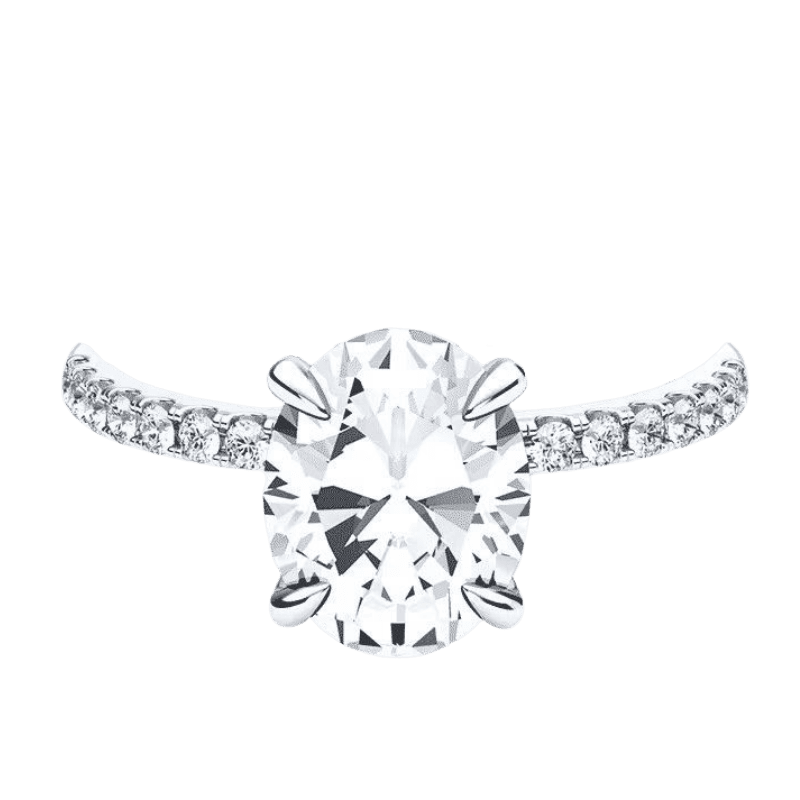
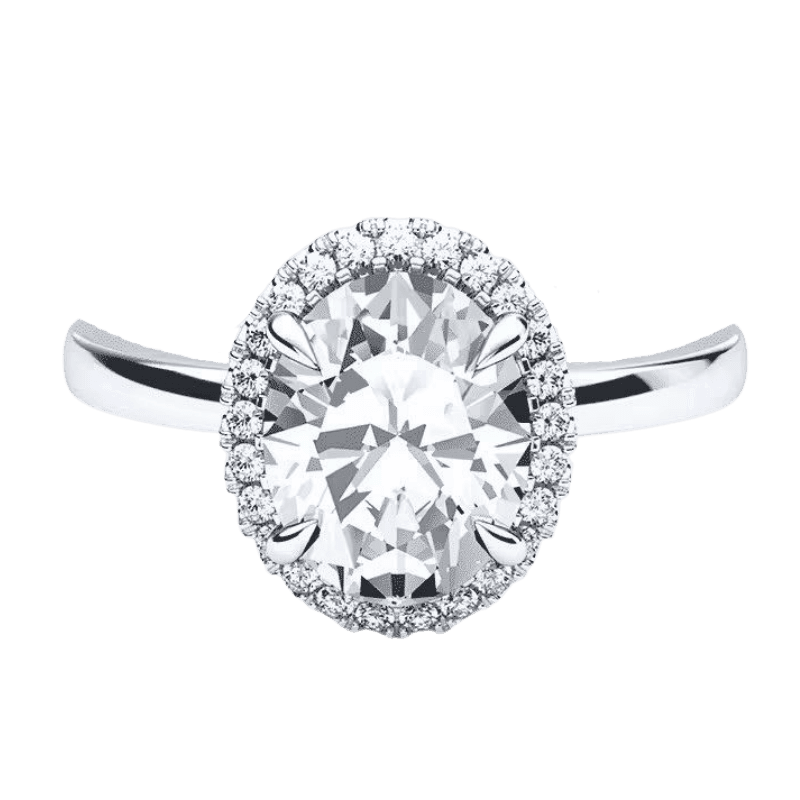
Diamond cut has a massive impact on how a brilliant-cut diamond reflects light. Even if colour and clarity are excellent, a poor cut can ruin the overall appearance. Not only cut proportions are evaluated, but also polish and symmetry. Among popular shapes, Oval diamonds stand out – they are valued for their elegant appearance and ability to visually increase the size of the stone. An ideally cut brilliant-cut diamond maximises light dispersion.
Fluorescence – an invisible but important property
Some diamonds glow with a bluish or greenish tint under UV light – this is called fluorescence. Although it is usually invisible to the naked eye, strong fluorescence can change the perception of colour. Sometimes it reduces a diamond’s value, but in other cases, it can create an interesting effect.
Certificates: GIA, HRD, IGI, EGL
Every valuable diamond or brilliant-cut diamond must have a quality certificate issued by an internationally recognised laboratory – every certificate for brilliant-cut diamonds or diamonds confirms their quality and authenticity. Certificates for brilliant-cut diamonds are essential to ensure their value and origin. GIA (Gemological Institute of America) is considered the gold standard, providing the most accurate evaluation of diamond characteristics. HRD, IGI, EGL, and others are also used in Europe and Asia.
What is worth knowing about fake certificates
Brilliant-cut diamonds offered online or at a market without official certificates can be risky. Only GIA, HRD, IGI, and other recognised documents ensure that your diamond has been evaluated objectively. It is important to always check the authenticity of a certificate.
Lithuanian Assay Office certificates and facet number
When purchasing brilliant-cut diamonds in Lithuania, especially with jewellery pieces, it is important to pay attention to the Lithuanian Assay Office confirmation. If a diamond has a GIA or another international certificate, it often features a unique number engraved on a facet – visible only under a microscope.
The 4C system and its expansion: more than four criteria
The 4C rule includes the most important parameters: carats, colour, clarity, and cut. However, today additional properties are also evaluated, such as fluorescence, the milky effect, shade, polish, symmetry, and optical brilliance. This allows evaluating the diamond’s value even more accurately.
A gemstone’s value is determined by its entirety
A brilliant-cut diamond with a high carat weight can be cheaper than a smaller one of the highest quality. Diamond characteristics must be evaluated comprehensively. Even a very clean diamond without brilliance can be less impressive than a simpler but perfectly cut one. The evaluation of a gemstone’s beauty is inseparable from the combination of its quality, brilliance, and proportions.
Why are polish and symmetry important?
Polish determines whether the surface is mirror-like, without micro-scratches. Symmetry shows whether all facets are arranged proportionally. These factors directly affect the brilliant-cut diamond’s brilliance and overall aesthetics.
Diamond price: what determines value and how not to overpay?
When choosing a diamond, the most important thing is to understand what actually determines its price and how to avoid overpaying. Diamond value is determined by four main criteria – cut, colour, clarity, and weight (carats). Each of these aspects has a direct impact on the final price, so it is worth knowing how they are evaluated in the market.
For example, a diamond with a higher colour classification (D–F) will be more expensive than one with a lower colour (G–J), as colourless diamonds are rarer and more valued. Weight is also important – the higher the number of carats, the more expensive the diamond is, but two diamonds of identical weight can differ greatly in price due to other quality indicators.
Clarity is another essential factor. Diamonds with small inclusions that are difficult to see with the naked eye (VS1, VS2) are valued higher than those with clearly visible inclusions (SI1, SI2). When choosing a diamond, it is worth paying attention to whether the inclusions are visible to the naked eye – such diamonds often cost less but can lose their aesthetic appeal.
To avoid overpaying, it is recommended to consult independent experts, compare diamonds offered by different sellers, and carefully examine the certificates. It is also worth knowing that sometimes a slight difference between the VS1 and VS2 or SI1 and SI2 grades can be almost invisible to the naked eye but significantly affect the price. Therefore, when choosing a diamond, it is important to evaluate whether it is truly worth paying for a higher grade if the difference is visually unnoticeable. By understanding these nuances, you will be able to choose a diamond that meets your expectations and budget without overpaying for unnecessary properties.
Diamond care: how to maintain brilliance and value?
It is very important to periodically check the diamond settings, especially if the diamond is set in a ring or another jewellery piece, to prevent unexpected loss. It is also worth regularly showing the diamond to a professional jeweller, who will assess its condition and perform professional cleaning if necessary.
Do not forget that certified diamonds retain their value better, so always keep the diamond’s certificate safe and update the appraisal if needed. Properly maintained diamonds not only shine longer but also remain attractive as an investment or a family heirloom.
Tip: how to choose the perfect diamond?
When choosing diamonds, it is important to consider not only carats but also all other diamond characteristics: colour, clarity, cut, fluorescence, shade, polish, and symmetry. Only by evaluating all these criteria will you be able to enjoy a gemstone that reflects light, shines, and retains its value for many years.
It is also worth remembering that strict grading and certification standards apply to diamonds, ensuring their value and origin. When choosing jewellery pieces with diamonds or gemstones, it is important to consider their quality, compatibility, and aesthetic appearance.