Why is gold colour important?
Gold colour is one of the main aspects determining the aesthetics of a jewellery piece. When choosing an engagement ring, earrings or other jewellery pieces, customers pay more and more attention not only to the value of the metal, but also to its shade. Regarding different gold colours, it can be said that they stand out not only for their appearance, but also for their composition and production features, which determine the uniqueness and value of each colour. Although pure gold has a natural rich yellow tone, in jewellery it is often mixed with other metals to create different gold colours and improve the properties of the alloy. Gold colour and quality are determined by gold purity.
From yellow to white gold
The variety of gold colours comes from the different proportions of metals in the alloy. For example, by adding more copper, gold takes on a warmer, red or pink shade, while in the case of white gold, metals such as palladium or platinum are used, which give a cold, elegant tone. It is precisely because of these combinations that both classic and exceptional jewellery pieces can be created to suit a wide variety of tastes.
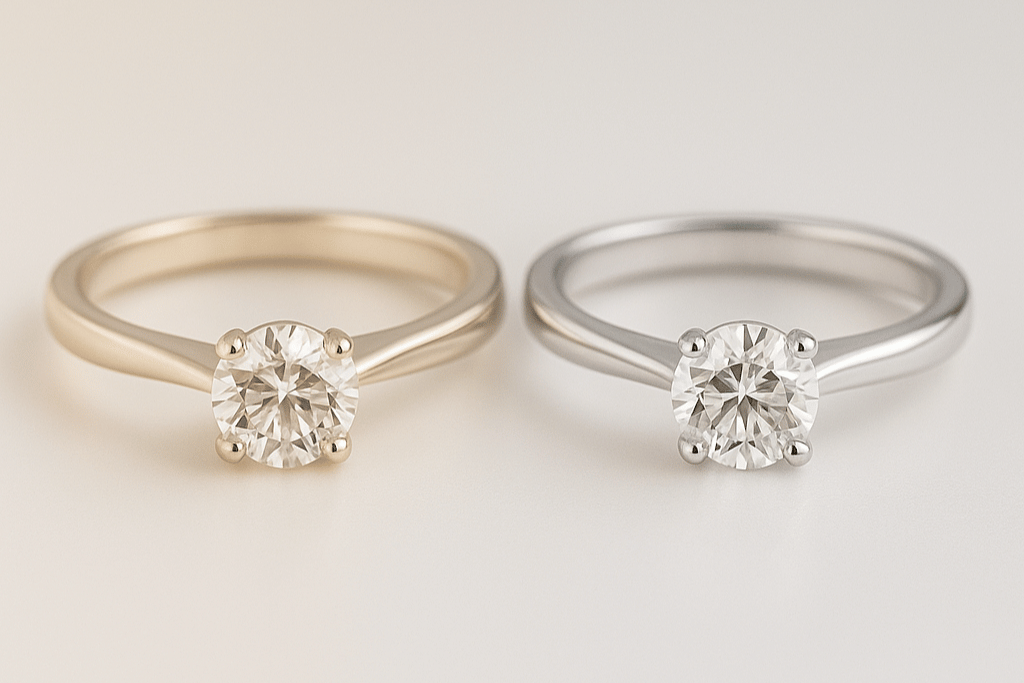
Yellow gold – this is a classic choice. It is produced by mixing pure gold with a mixture of silver and copper. Such alloys ensure sufficient hardness while maintaining the traditional colour.
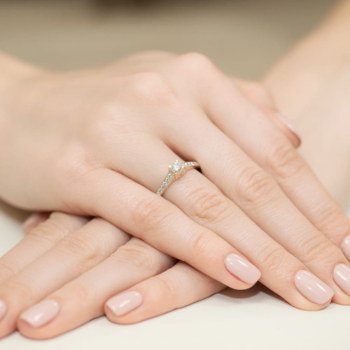
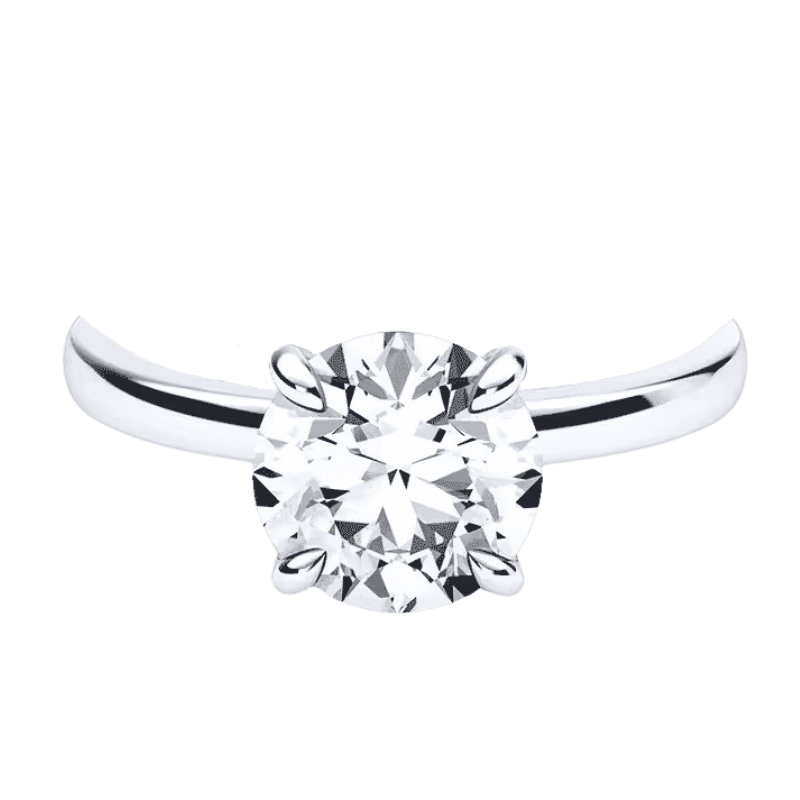
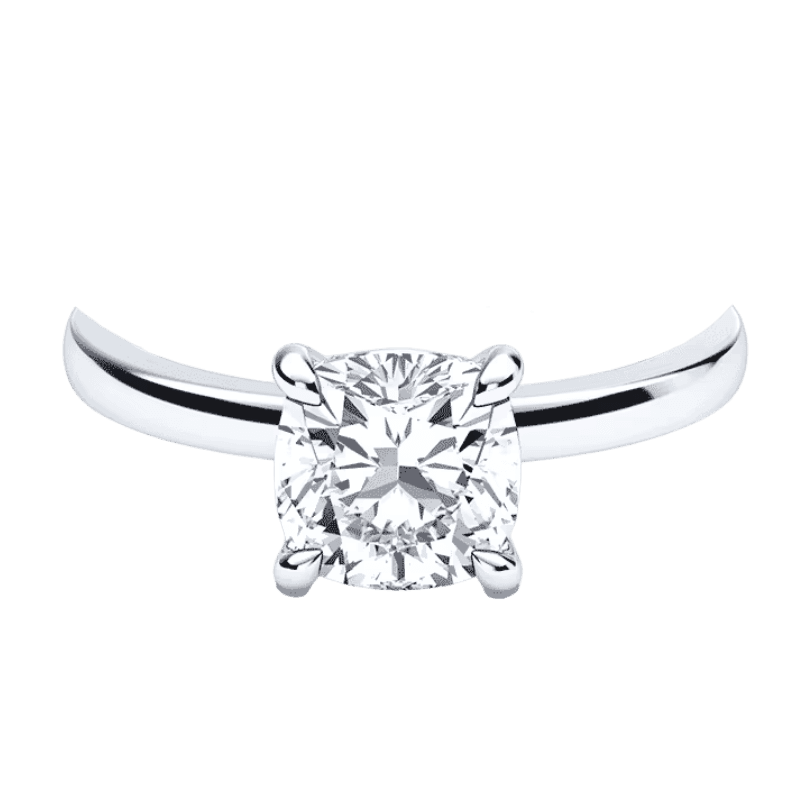
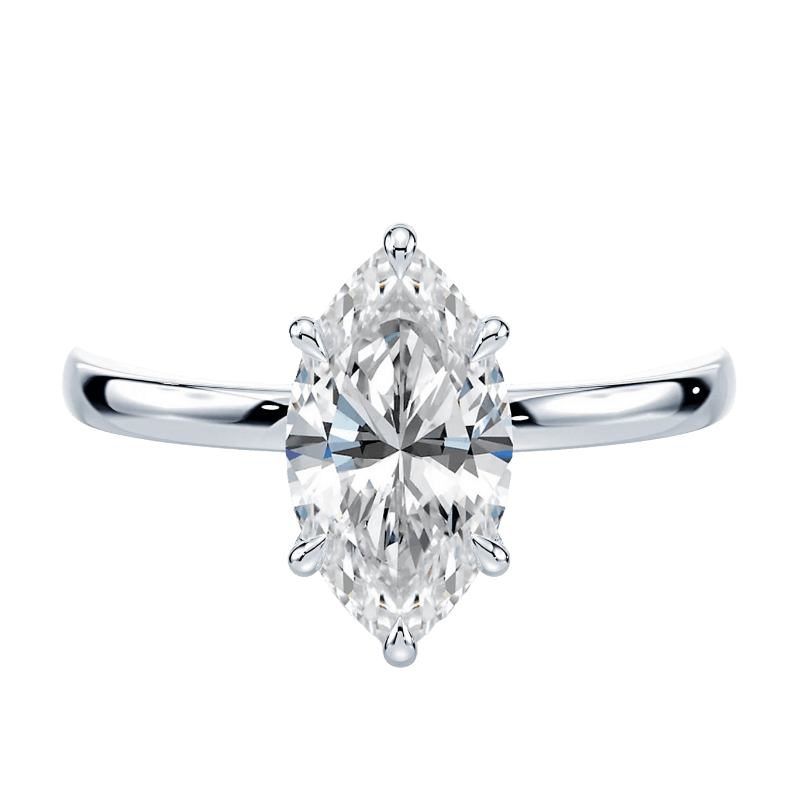
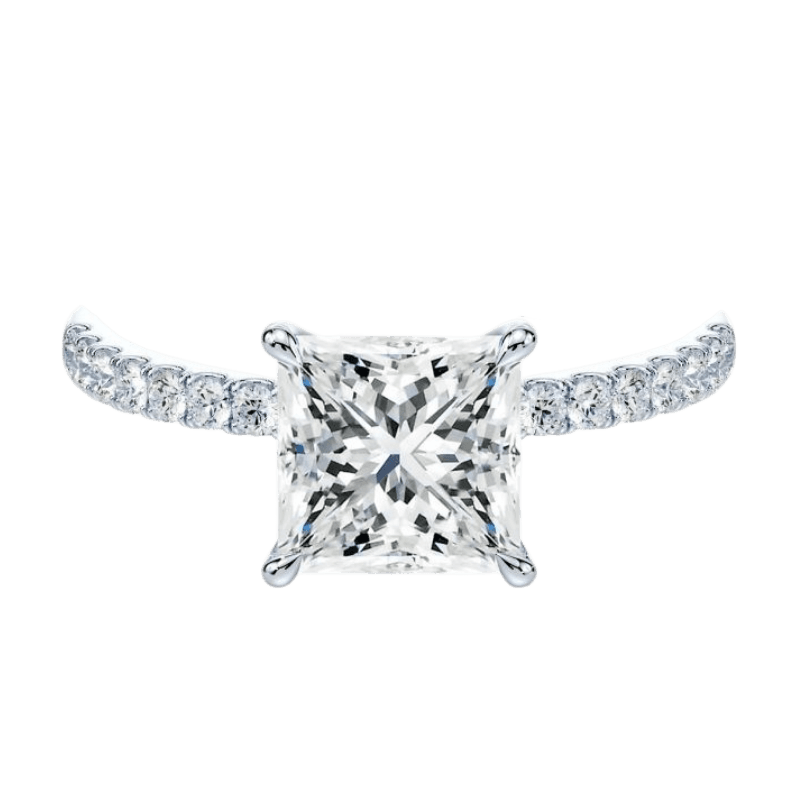
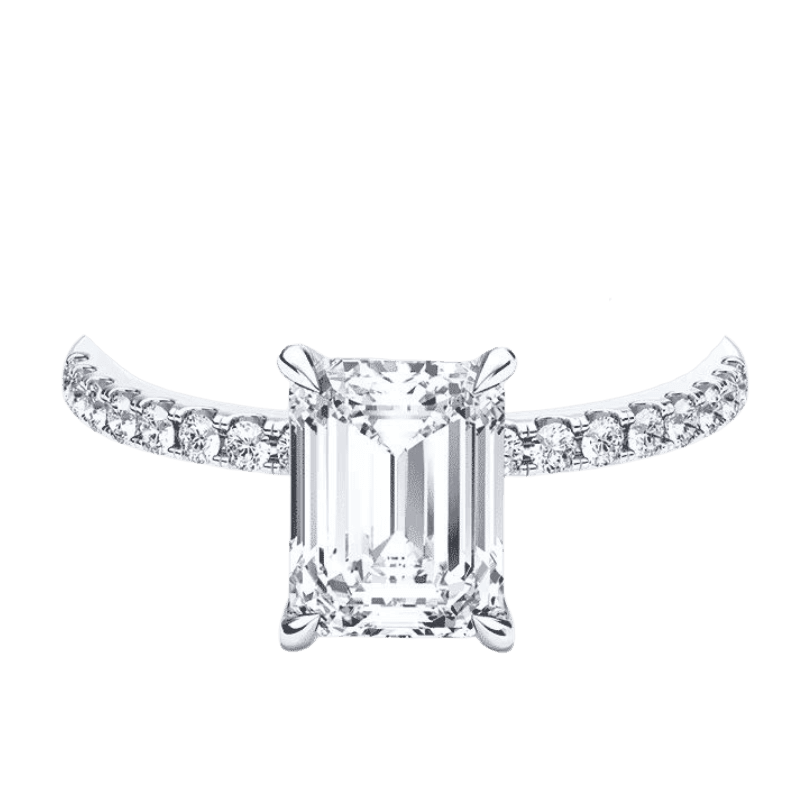
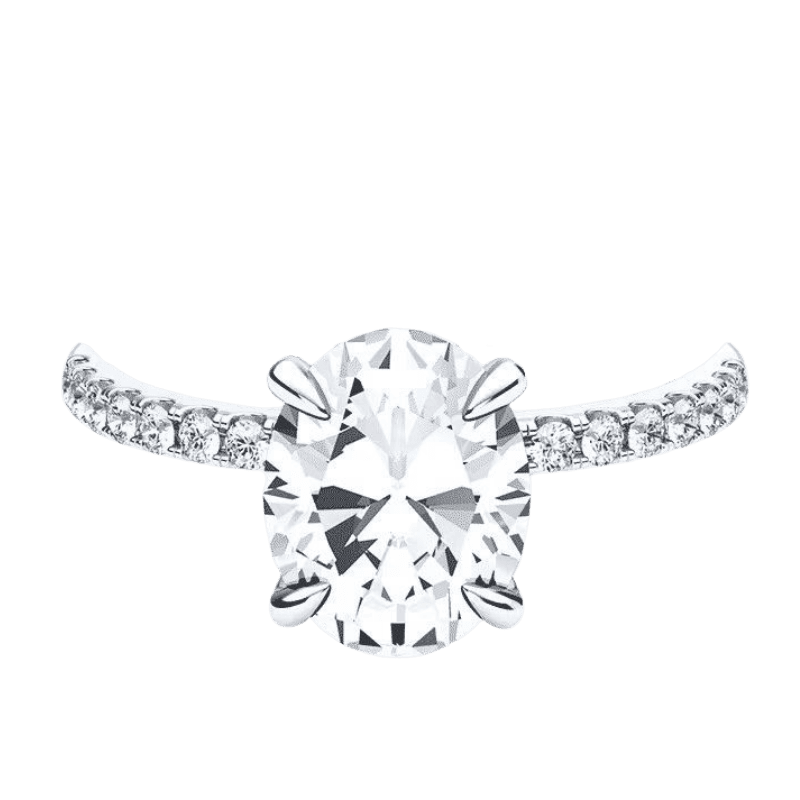
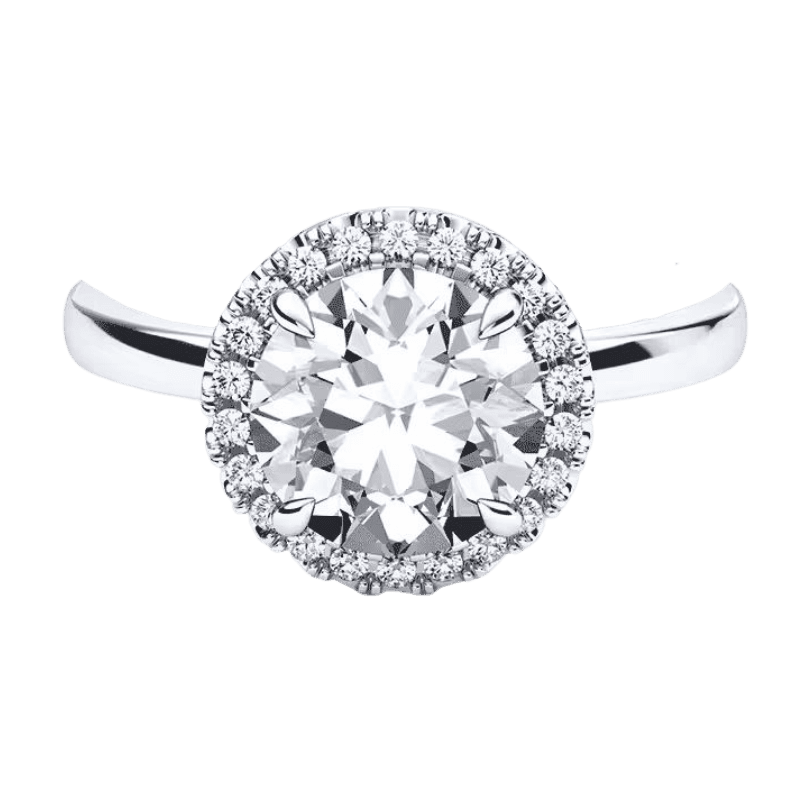
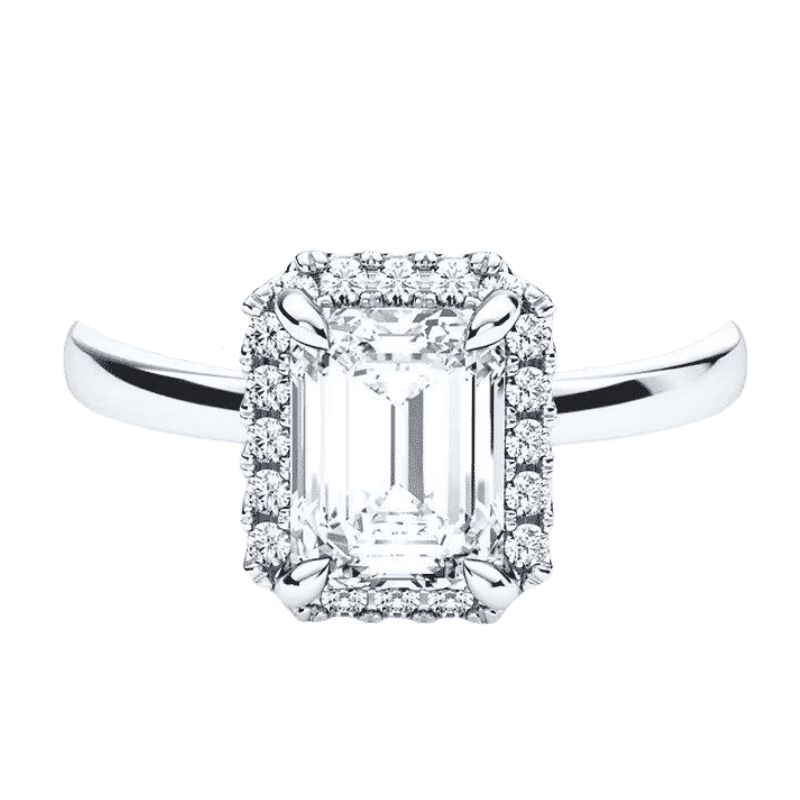
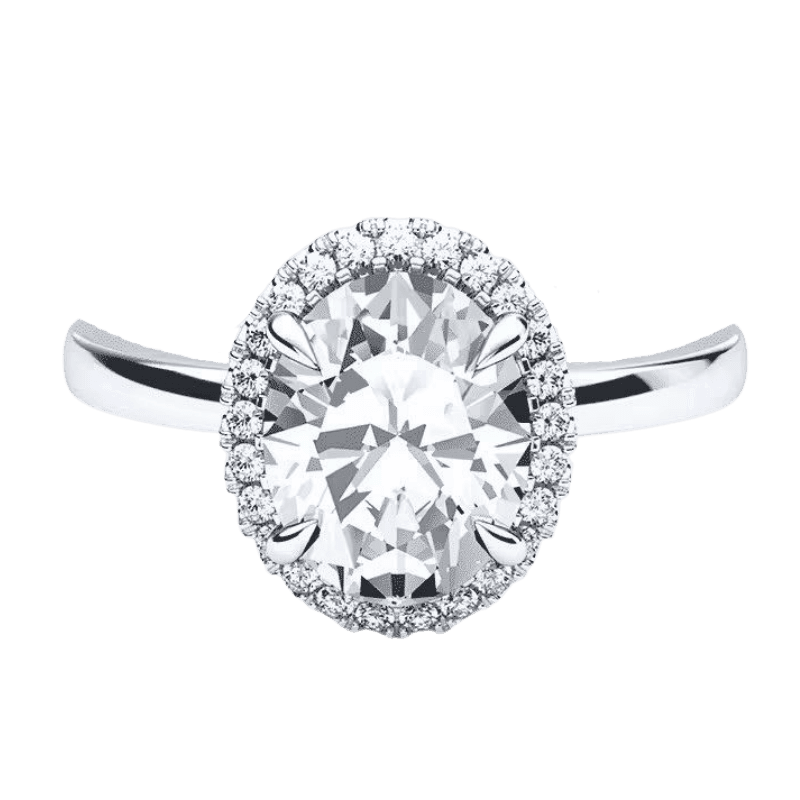
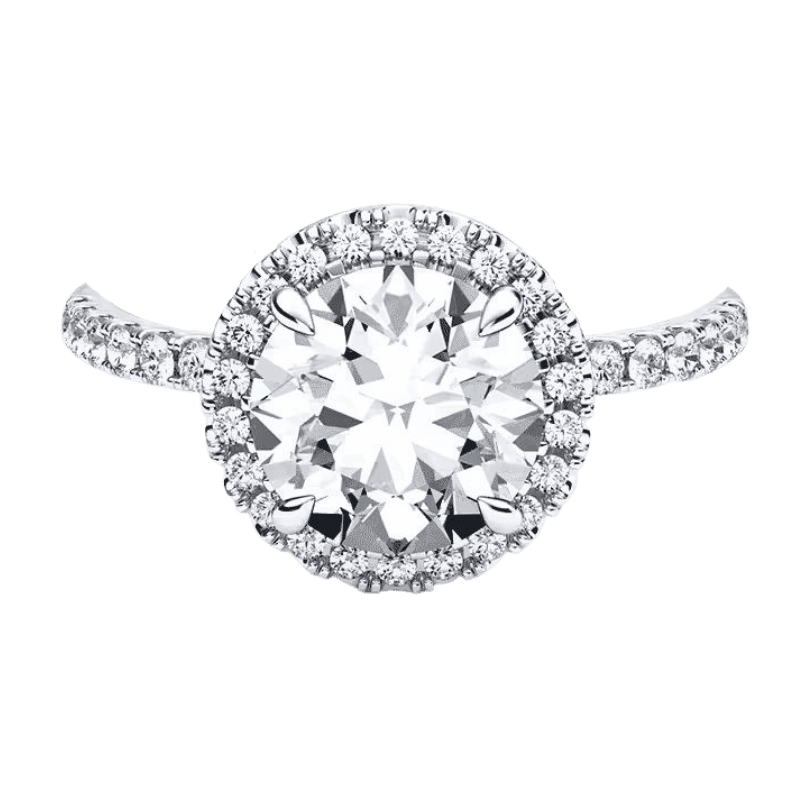
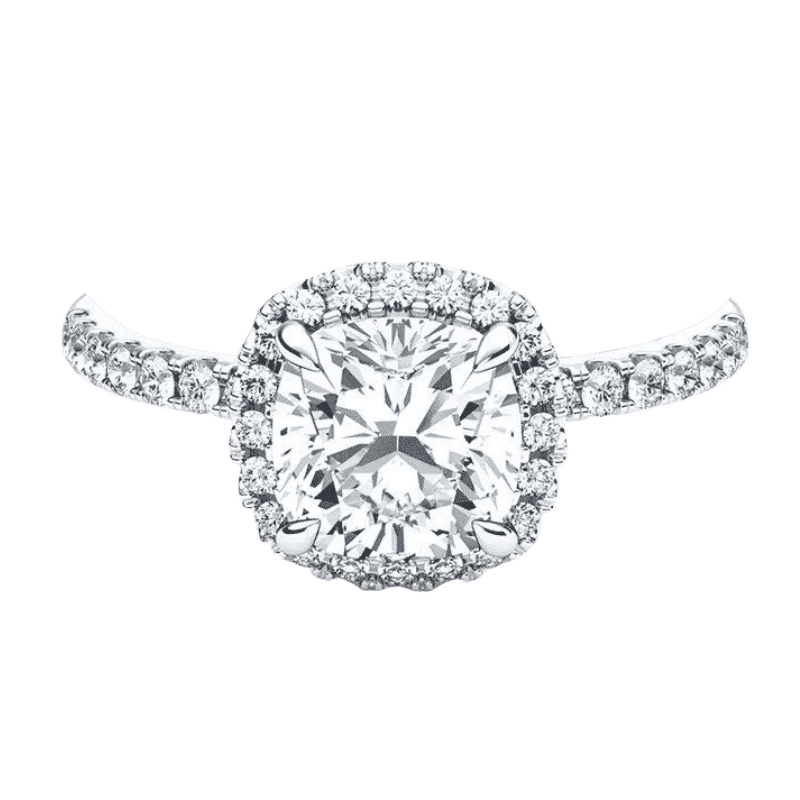
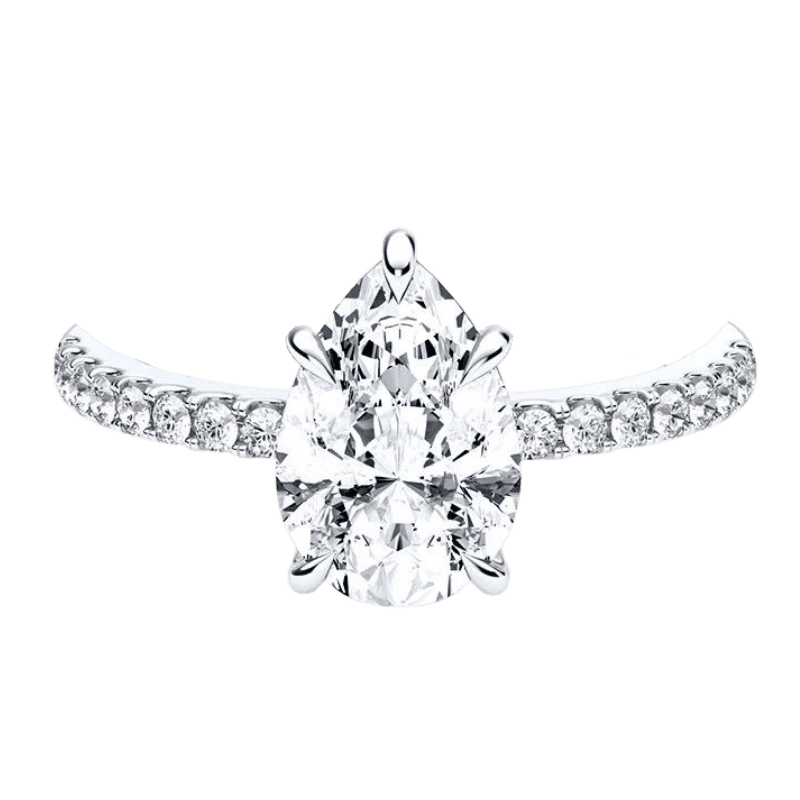
The colour of white gold is obtained by mixing gold with palladium, nickel or platinum. These metals are exactly what is in the composition of the white gold alloy, so they determine the final colour and properties. When more nickel or palladium is added to the gold, the colour becomes colder and whiter. If the amount of one of these metals is increased, the final colour of the white gold can vary from a warmer to a completely white shade. Such alloys are chosen because they give jewellery pieces greater strength and resistance. Mostly, white gold is also rhodium-plated so that the surface shines more. However, the rhodium layer can wear off over time, so the jewellery pieces should be periodically renewed.
Rhodium is extremely important in jewellery – it is often used as a coating layer for white gold pieces, so that the surface is even more shiny and resistant to environmental effects. In addition, rhodium and platinum alloys are characterised by exceptional strength, so they are used not only in the production of jewellery pieces, but also for other precise products, such as optical devices or electrical contacts.
Pink, rose and other shades
Pink or rose gold is obtained by adding more copper to the alloy. The higher the amount of copper, the more intense the colour. This gold colour is increasingly chosen by couples looking for uniqueness or traditions..
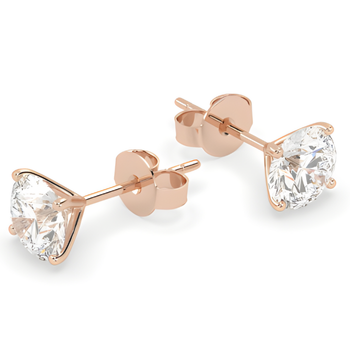
There are also options such as green or black gold, which are obtained using special technologies or oxidation processes. Among these rarer shades, green gold can be distinguished, which is characterised by a unique shade and is valued for its uniqueness, and which of them is the most popular often depends on fashion trends and cultural characteristics. However, they are not widely widespread due to their more complicated maintenance and production costs.
How does gold colour affect the choice?
When choosing jewellery pieces on the TopDiamonds.online website, it is important to consider which gold colour best matches your skin tone or clothing style. For example, white gold pieces are more suitable for cold-toned skin, and rose gold – for warmer tones.
In addition to aesthetics, different gold colours also indicate different alloy components, which can affect allergies or the strength of the jewellery piece. Therefore, it is important to know what is in the alloy.
Creation of jewellery pieces
The creation of jewellery pieces is a real art that requires not only technical skills, but also a creative approach. Each jewellery piece starts from an idea, which turns into reality by using various metals, such as gold, white gold, platinum or silver. The choice of these metals determines not only the appearance of the jewellery piece, but also its properties and longevity.
Since pure gold is very soft, it is mostly mixed with other metals to provide the necessary strength and longevity. Metal alloys allow jewellers to experiment with shapes, textures and colours, and each chosen metal or their combination gives the jewellery piece unique properties.
Temperature also plays an important role – it determines how the metals fuse with each other, what final colour and structure the alloy acquires. Therefore, every jeweller must have a good knowledge of not only artistic, but also technological processes, so that the final result is not only beautiful, but also durable.
The choice of colours in the creation of jewellery pieces is extremely important – it determines how the jewellery piece will look on the skin, how it will match with clothes or other accessories. The design possibilities are truly endless: gold, white gold, platinum or silver can be formed into various shapes, combining different colours and textures so that each jewellery piece is unique and matches individual style.
Thus, the creation of jewellery pieces becomes not only a technological, but also an artistic process, in which every detail is important – from the chosen metal to the final shade and design.
Properties and maintenance of alloys
Gold is a soft metal, so pieces made of pure gold are rarely produced. Mostly it is used together with other metals to ensure longevity. However, different alloys have different melting temperatures, resistance and colour, so maintenance can also differ.
For example, white gold pieces require renewal of the rhodium coating, while rose gold retains its colour better, but can be softer.
Gold colour is not only an aesthetic, but also a practical aspect. It depends on what metals are used in the composition of the alloy, and this affects both appearance and durability. On the TopDiamonds.online website, you can find a wide selection of jewellery pieces in various gold colours to suit everyone’s needs and taste.
By choosing the right gold colour, you will ensure not only beauty, but also long-term satisfaction when wearing these exceptional jewellery pieces.